

What matters most when you want to save time in the kitchen is reducing repeated, avoidable work—think washing, trimming and hunting for ingredients—so the actual cooking runs smoothly. You can safely ignore perfection: vegetables don’t need identical dice, and recipes tolerate rough estimates for some seasonings. These 10 cooking prep tips focus on eliminating small time sinks and setting you up for faster, less stressed meals.
Start with a simple mise en place—only for the things that slow you down
Mise en place doesn’t mean staging every detail. For real time savings, prep only items that interrupt heat-sensitive steps: onions, garlic, herbs, and measured liquids or spices. If a recipe takes 10–15 minutes of hands-off simmering, skip full mise en place for that dish and keep a basic mise bag (prepped garlic, onions, chopped aromatics) for the week.
Batch chop once, use multiple times
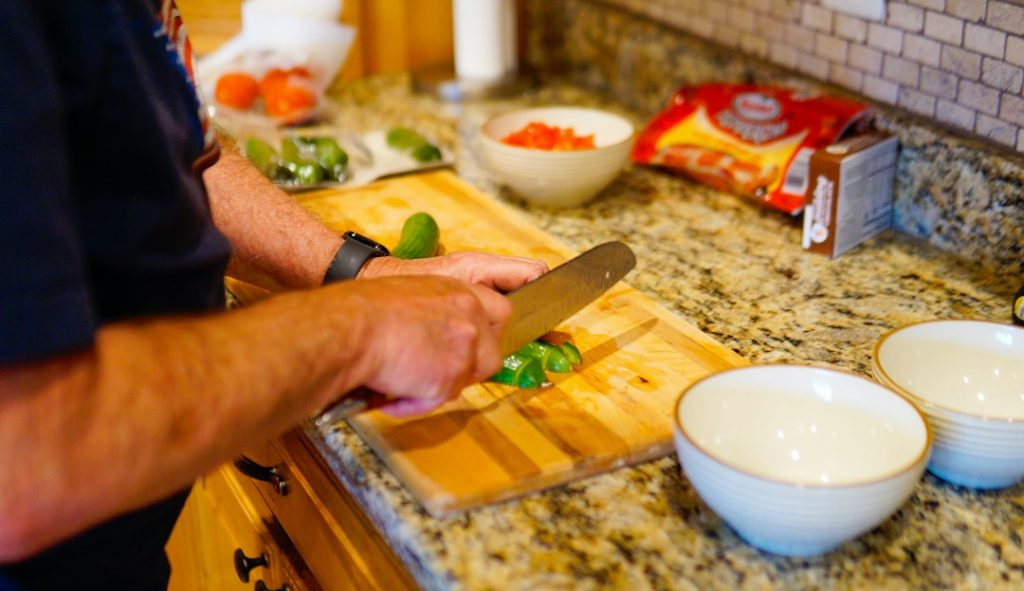
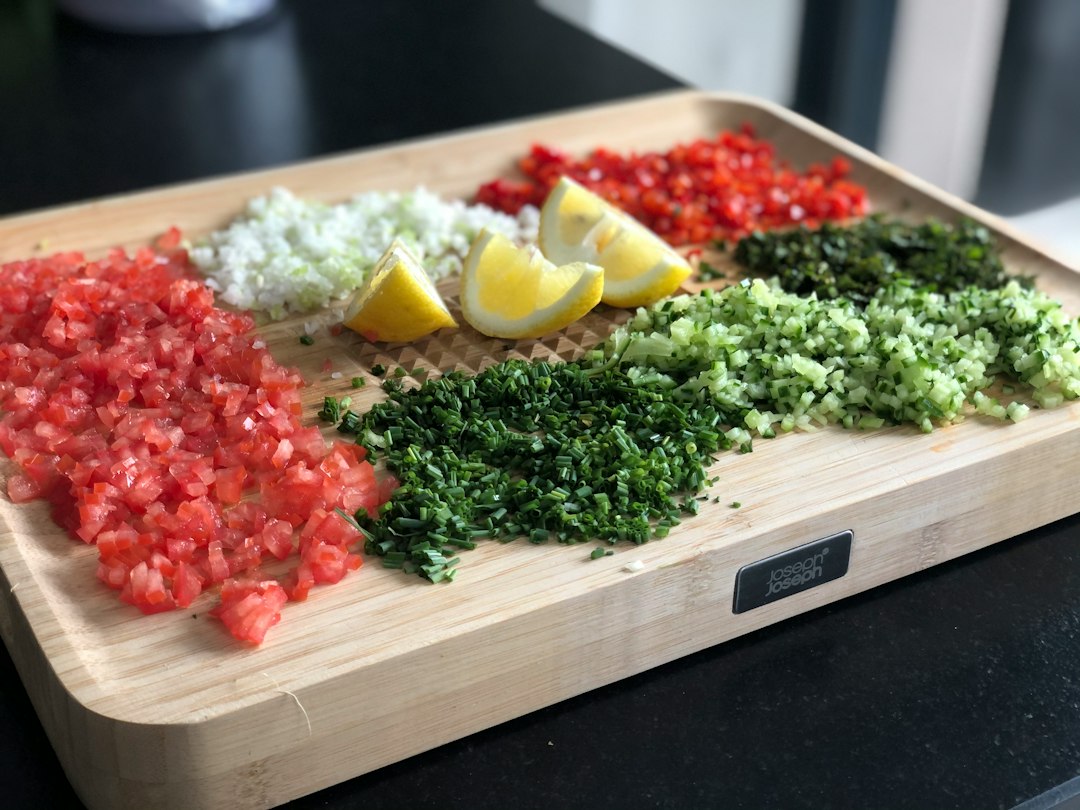
Choose one day (or 30 minutes after shopping) to dice onions, slice peppers, and shred carrots. Store in airtight containers or zip bags and use across stir-fries, salads, and sauces. Tip: pat vegetables dry on paper towels before sealing to avoid sogginess.
Learn two knife skills that speed everything
Master a confident rocking chop for herbs and small vegetables, and the claw grip for safety and speed when slicing larger items. Better knife technique reduces time and gives more uniform cooking—so fewer surprises while sautéing or roasting.
Pre-measure spices and liquids for busy weeknights
Spend five minutes into small ramekins or a muffin tin to measure spices and 1/4–1/2 cup portions of oils and vinegars before cooking. When the pan’s hot you can season quickly and consistently instead of rummaging through jars.
Keep ready-to-use staples on hand
Make or buy a few multipurpose bases: tomato sauce, stock concentrate, vinaigrette, and a basic chili or curry paste. Freezing portions in ice-cube trays or small containers lets you drop flavor into a dish in seconds rather than starting sauces from scratch.
Use small tools that shave minutes—choose one that fits your routine
Single-purpose gadgets can speed repetitive tasks: a handy garlic puller, a compact handheld chopper, or a quality oil sprayer for quick pan-coating. For everyday convenience, an oil spray bottle is especially versatile—spraying oil uses less fat and gets pans ready instantly.
Cook smarter with batch-cooking and hybrid techniques
Two ideas: (1) Make a large protein (roast chicken, baked tofu) and repurpose it across 3–4 meals; (2) Combine techniques—start on the stovetop for browning, then finish in the oven or slow cooker. These approaches reduce active hands-on time and increase variety from one effort.
Clean as you go—small ritual, big payoff
Keep a small sink-side pile for compost and a damp dish towel for wiping. While something simmers, wash used bowls and knives. The time you spend cleaning between steps prevents one long, demotivating end-of-meal cleanup and keeps the workspace usable for the next dish.
Organize your workspace for flow
Set up zones: “prep” (cutting board, bowls), “cooking” (pan, spatula), and “plating” (plates, serving utensils). Put frequently used items—olive oil, salt, pepper—near the stove. A predictable layout reduces steps and mental friction when you’re juggling pans and timers.
Use labels and dated freezer portions
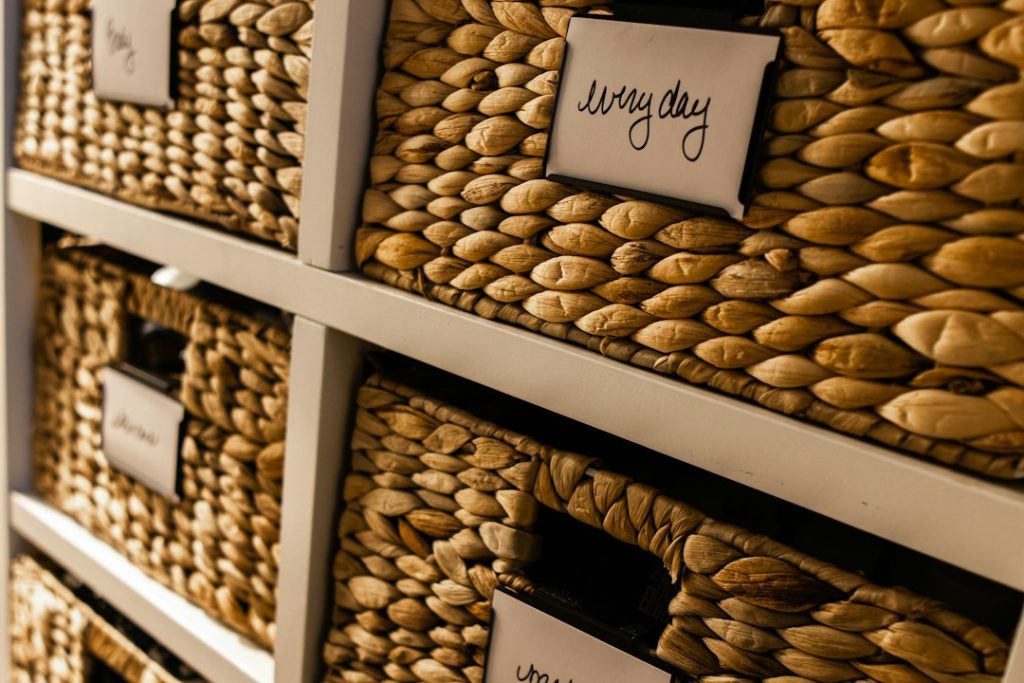
Label containers with contents and date. Freeze single-use portions of stock, sauces, or cooked grains so you can defrost exactly what you need. This avoids overcooking or re-making small amounts and keeps your freezer an actual time-saver instead of a mystery box.
Plan two dinners with one grocery trip
When you plan a grocery list, pick proteins and vegetables that can be used in two distinct meals—e.g., roasted salmon for dinner and flaked salmon for salads or tacos the next day. This minimizes shopping time and maximizes the value of what you prep.
Quick examples: a 20-minute weeknight workflow
Example: sauté pre-chopped aromatics (5 min), add a frozen sauce cube and a can of tomatoes (2 min), toss in pre-cooked protein and greens (5 min) and simmer (8 min). Total hands-on time 12 minutes; meal ready in 20. The secret is combining prepped components rather than doing everything from scratch.
- Did you batch-chop any vegetables this week?
- Are spices and oils measured or within reach?
- Have you labeled and dated freezer portions?
- Is your workspace organized into zones?
- Do you have one make-ahead sauce or stock portion ready?
Focus on a few repeatable prep habits—mise in place for critical items, batch chopping, one or two freezer-ready staples, and a small, reliable tool like an oil sprayer. These choices reduce friction at the stove and turn a chaotic cook into an efficient routine.
What two prep habits save the most time?
Batch chopping common vegetables and keeping one-to-two make-ahead sauces or stocks typically produce the quickest time savings across many meals.
How long will prepped vegetables last?
Most chopped vegetables keep 3–5 days refrigerated in airtight containers; leafy herbs last 2–3 days unless stored properly with a damp paper towel.
Are single-use gadgets really worth it?
Yes if they replace a frequent, time-consuming task for you—choose one gadget that matches a recurring chore (e.g., garlic chopper) rather than collecting many tools.
Can prep tips change how I shop?
Yes. Planning for batch use reduces impulse buys and helps you buy ingredients that perform double-duty across meals, saving time and money.