

When you can't find a lid or you trip over a bag of potatoes
Everyday scenes tell the story: lids buried under stacks of Tupperware, spices toppled on a narrow shelf, or a cluttered counter with no landing space for groceries. These 15 kitchen organization ideas focus on simple swaps and small installations that actually save space—so you spend less time digging and more time cooking.
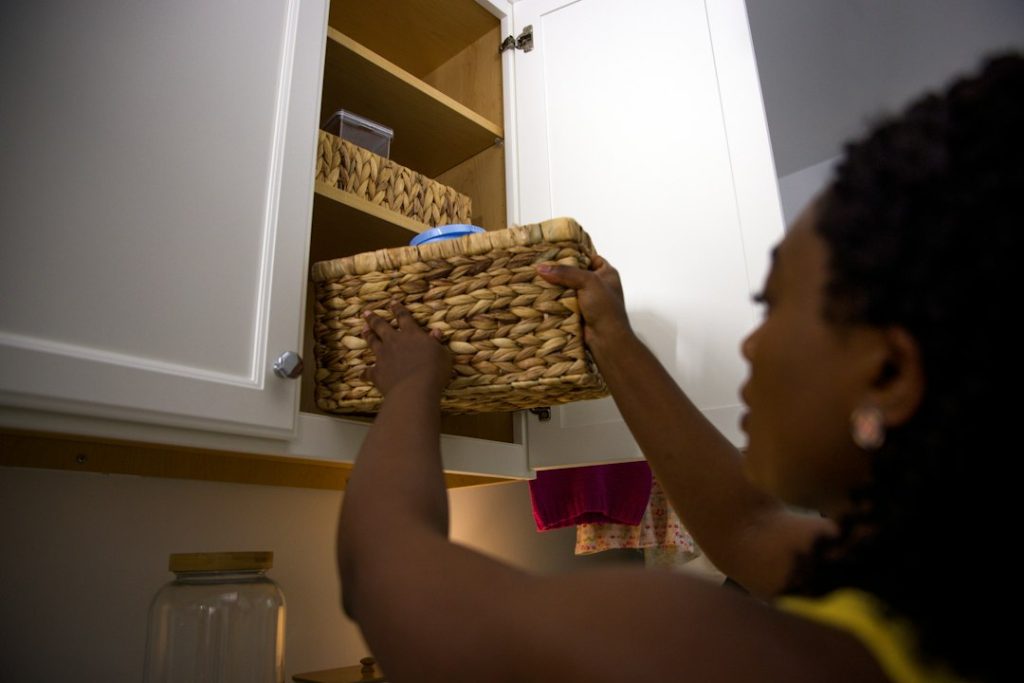
1. Use vertical space inside cabinets
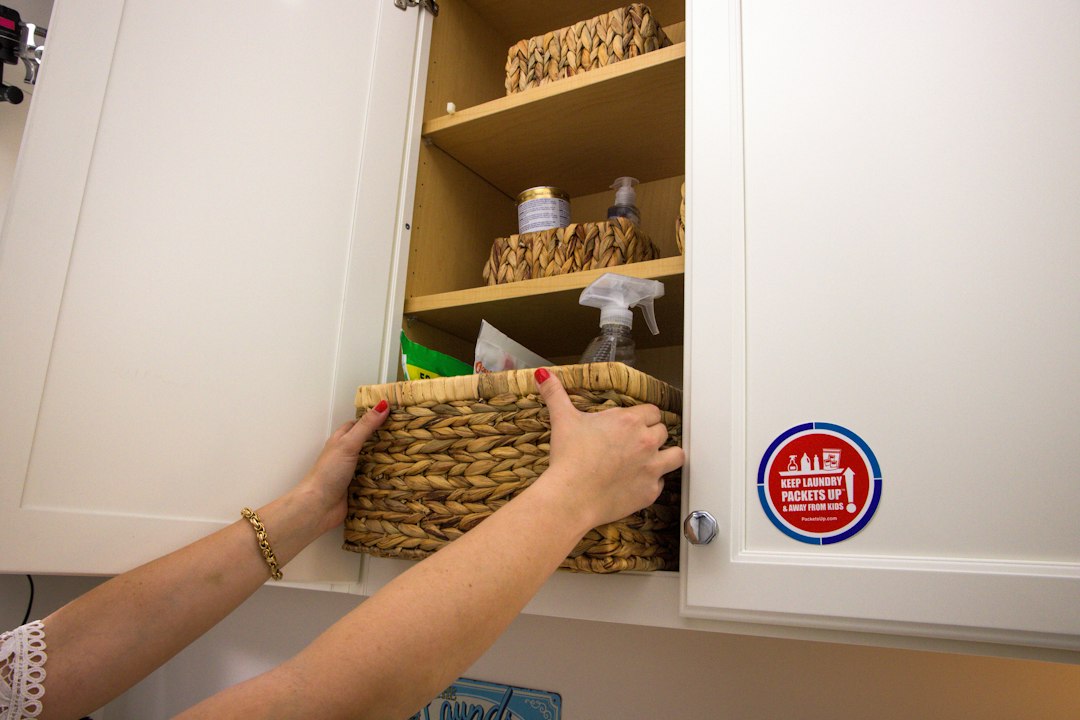
Add stackable shelving and narrow risers to turn one crowded shelf into two usable tiers. Plate stands and shelving risers let you store more without blocking access to lower items—perfect for cups, plates, and canned goods.
2. Install a pull-out basket system
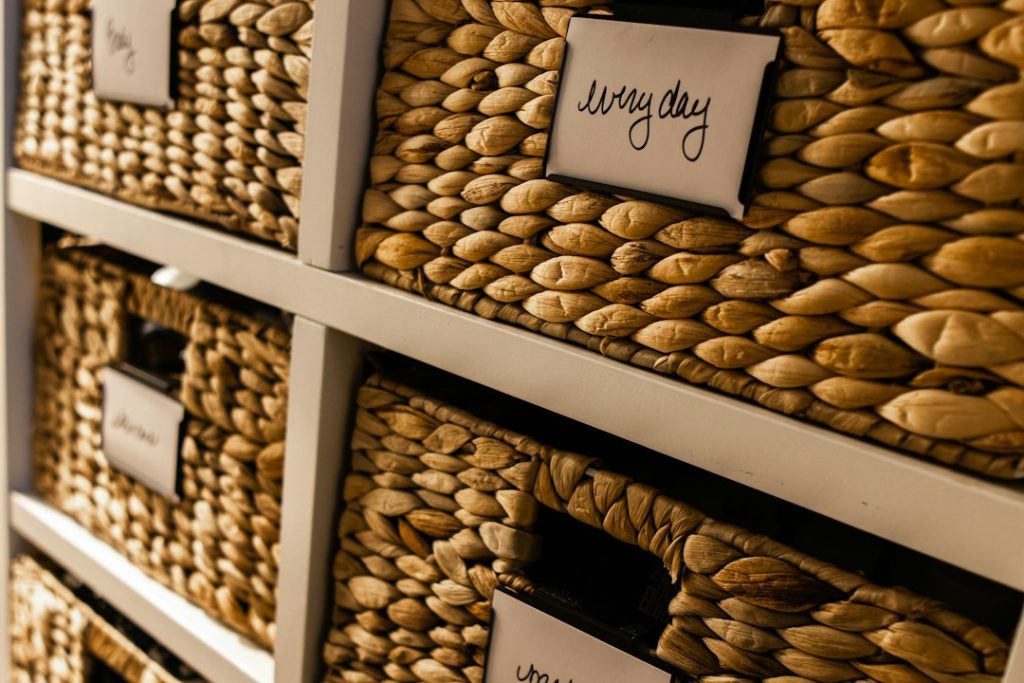
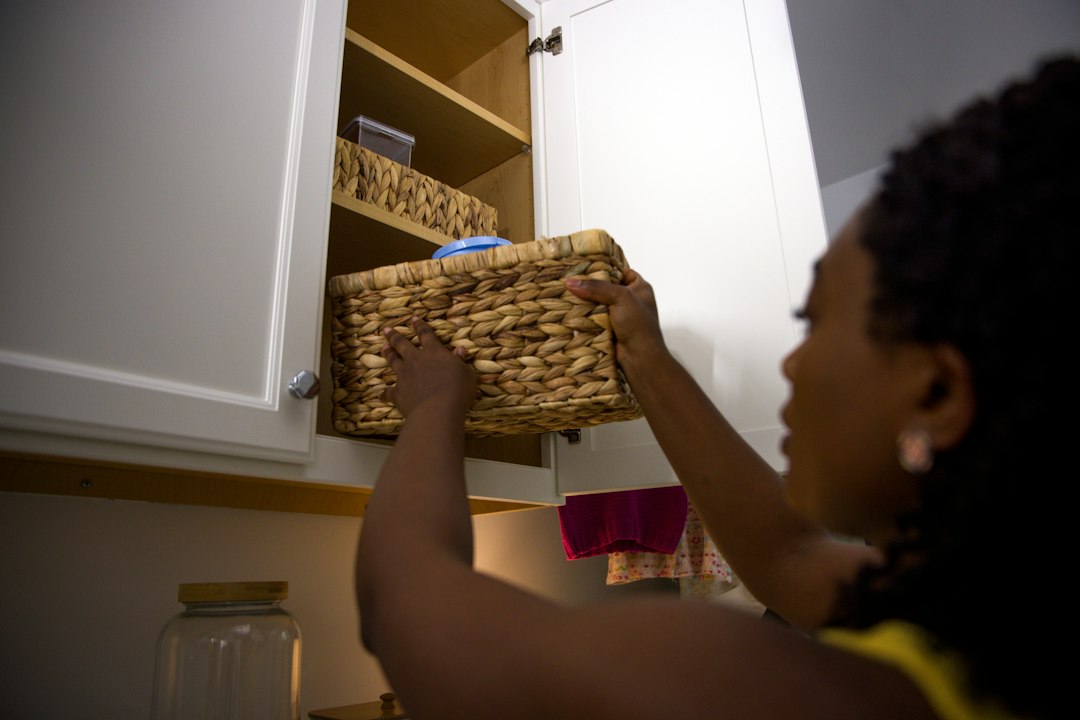
Wire or bamboo pull-out baskets turn deep cabinets into accessible drawers. Put bulky items—mixing bowls, root vegetables, or baking pans—on these so nothing gets lost at the back.
3. Group like with clear, labeled containers
Transfer dry goods (rice, pasta, flour) into uniform clear containers. Square or rectangular containers use shelf space more efficiently than round jars and make stacking reliable; labels keep quickly-moving staples obvious.
4. Mount a magnetic knife strip and utensil rails
Free drawer space and clear counter real estate by mounting knives, spatulas, and small pans on the backsplash. Magnetic strips and hanging rails are low-profile and keep frequently used tools within reach.
5. Use under-shelf hooks and hanging racks
Under-shelf hooks turn the underside of a cabinet into storage for mugs or wine glasses. Similarly, adhesive or screw-in hooks on the inside of cabinet doors hold measuring spoons, lids, or oven mitts.
6. Slim down with a door-mounted spice rack
Move spice jars from the narrow top shelf to an over-the-door rack inside the pantry or cabinet. This clears shelf space and makes the full set visible at a glance.
7. Prioritize pull-out trays under the sink
Under-sink areas are notorious for wasted depth. Pull-out trays or sliding caddies allow you to stack cleaning products vertically and access everything without shifting items around.
8. Adopt drawer dividers, not catch-all drawers
A single junk drawer consumes more room than it should. Use adjustable dividers for utensils, gadgets, and wraps so each item has a home; that saves time and prevents duplicates.
9. Stack containers with a nesting plan
For food storage containers, pick a nesting system—lids stored vertically in a slim bin and bases stacked by size. This often halves the space Tupperware consumes in a cabinet.
10. Add a corner lazy Susan or pull-out for deep corners
Deep corner cabinets become usable with a rotating turntable or an articulating pull-out shelf. These solutions make spices, oils, and small appliances reachable without unpacking everything.
11. Use vertical dividers for baking sheets and cutting boards
Store baking sheets, cooling racks and cutting boards upright with a simple divider tray. Upright storage reduces sliding, scratching and wasted horizontal shelf space.
12. Hang pots and pans where practical
A ceiling or wall pot rack frees upper cabinet and drawer space. If you can't install a rack, a sturdy rail with S-hooks inside a cabinet or on a pantry wall offers similar savings.
13. Reclaim counter space with a compact sink caddy
Soap dispensers, sponges and brushes crowd the sink rim. A small hanging sink caddy or an over-the-faucet organizer corrals these items without sacrificing drying space.
14. Install a small rotating spice rack for the countertop or cabinet
A 360-degree turntable keeps spices visible and compact. Place it on a pantry shelf or a dedicated counter corner so jars don't spread across multiple shelves.
Why this helps: a rotating spice rack makes dozens of small jars fit in the footprint of a single plate while keeping labels easy to scan.
15. Make a "landing zone" and a donation box
Create a small entry point for grocery unloading: one cleared section of counter or a narrow cart. Pair that with a donation box near the pantry—if you haven't used an item in six months, it moves straight out. That habit prevents slow accretion of unused goods.
- Identify one high-traffic cabinet to reorganize first.
- Choose stackable or uniform containers for one pantry shelf.
- Add one pull-out or lazy Susan to improve access to deep spaces.
- Create a counter landing zone before buying new storage.
- Donate or discard items not used in the last six months.
Reclaiming kitchen space is less about buying everything new and more about using height, access, and grouping thoughtfully. With a few inexpensive organizers and a short purge, you’ll find more usable surface and shelf area—and spend less time searching.
How do I choose between pull-outs and turntables?
Pull-outs are best for heavy or irregular items (pots, cleaning supplies); turntables work well for small, frequently used items (spices, oils). Consider cabinet depth and frequency of use.
Will these changes work in a rental kitchen?
Yes—many options are non-permanent: adhesive hooks, over-the-door racks, freestanding turntables and caddies require no drilling and are renter-friendly.
How do I keep counters from becoming new clutter spots?
Designate a specific landing zone and limit counter storage to items used daily; everything else should have a cabinet or drawer home.
Can I save space without buying storage products?
Yes—by decluttering, grouping like items, adopting vertical stacking, and storing lids vertically you can gain significant room before purchasing organizers.