

Start small: clear one visible surface now and you’ll feel it—then keep it
If you want to reduce clutter around the house, the single best immediate move is to clear one visible surface—an entry console, kitchen counter, or coffee table—and create a simple habit to keep it clear. The psychological lift from one tidy area makes consistent habits easier, and it’s the fastest way to notice progress.
1. Set “10-minute reset” windows
Do two short resets daily: a 10-minute morning sweep and a 10-minute evening reset. Focus on high-traffic zones—kitchen counters, dining table, and entryway. Use a small basket: gather stray items, return them to their permanent spots, and quickly sort anything that belongs elsewhere. Ten minutes prevents small piles from becoming permanent clutter.
2. Deploy designated drop zones
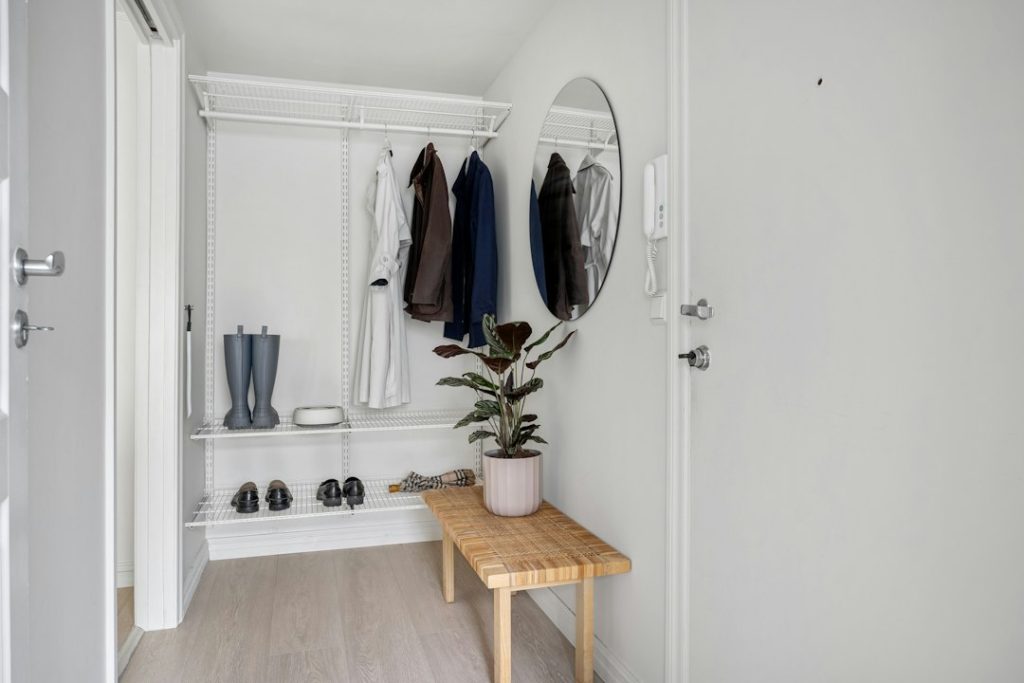
Clutter often starts where things are dropped. Create clear, labeled drop zones for keys, mail, backpacks and masks. Use a shallow tray or wall hooks near the door and a basket for backpacks. A single rule—no item gets left outside its drop zone—reduces daily scatter.
3. Use the “one in, one out” rule for quick pruning
For clothing, gadgets, toys or decor: when a new item comes in, remove a similar item. This keeps volume steady and forces decisions about what you actually use. For families, make this a shared rule: a new toy typically equals one donated toy.
4. Convert invisible clutter into visible systems
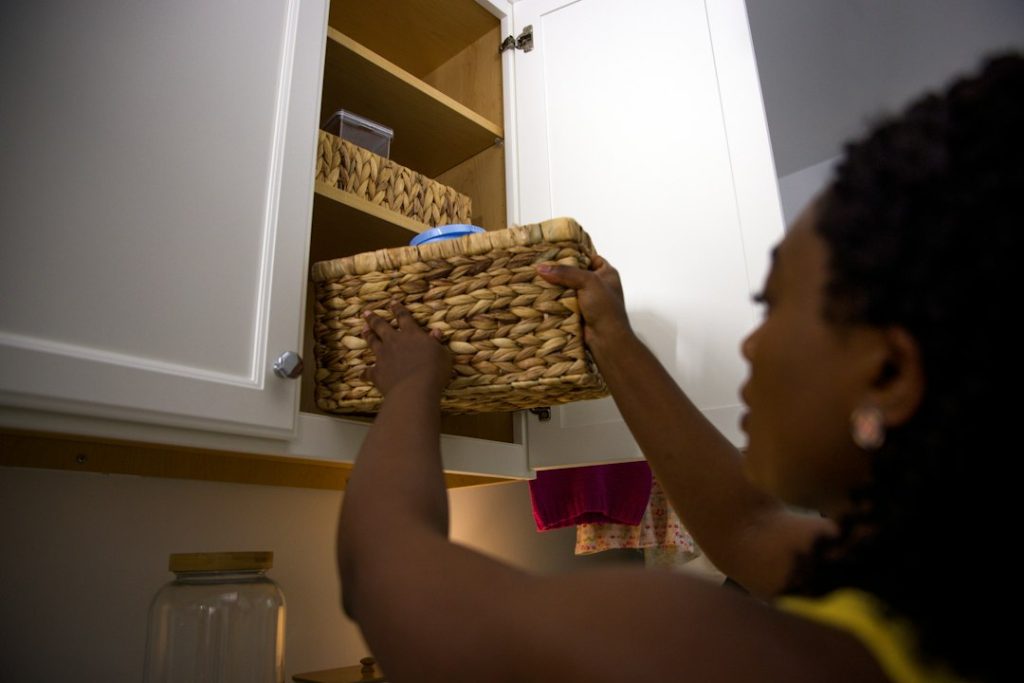
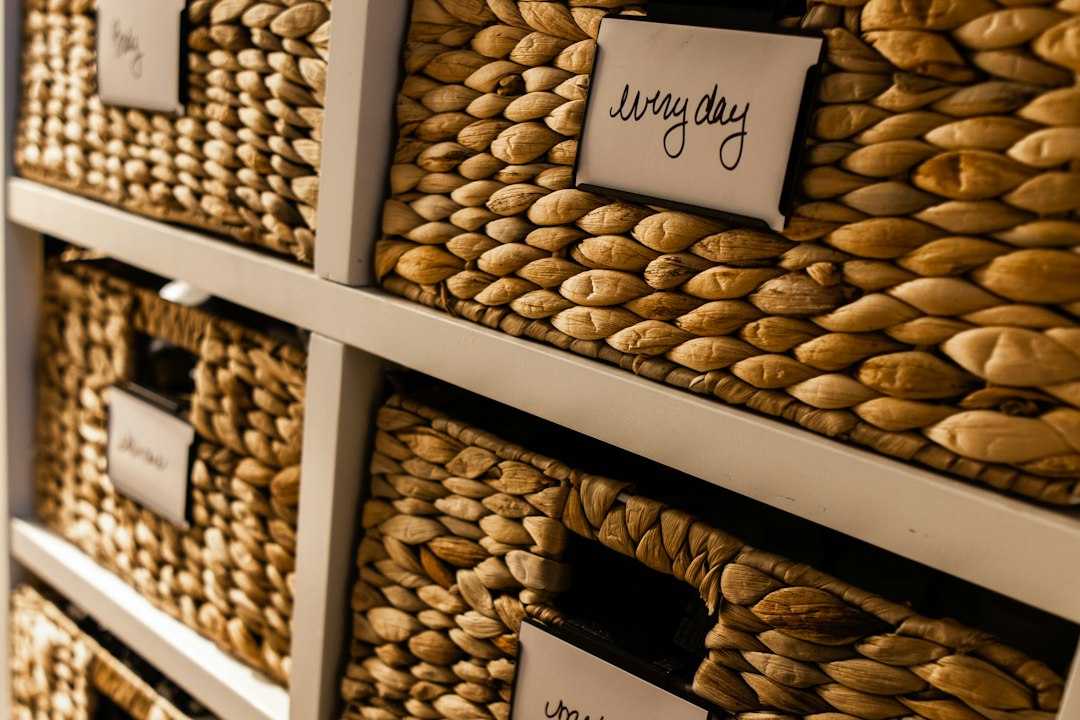
Hidden mess—kitchen cabinets, junk drawers, coat closets—becomes permanent when you can’t see it. Install clear storage bins, drawer dividers and shelf labels so contents are obvious. When you can see what you have, you stop buying duplicates and make quicker decisions about what to keep.
5. Tackle paper clutter with a simple three-bin system
Designate trays for Action, File, and Recycle. Process paper daily: put bills in Action, file receipts weekly, and recycle junk immediately. Limit the Action tray to what you can handle in one week—overflow becomes a reminder to act or purge.
6. Make donation faster than hesitation
Keep a lightweight donation box in a closet or garage. When you decide to remove something, drop it straight in. Once it’s full, schedule donation pickup or drop-off within a week. Speed removes the temptation to reintroduce items.
7. Apply storage that matches the activity
Match storage to how items are used. Keep frequently used cooking tools on a countertop rail or in a shallow drawer; seasonal gear goes in labeled boxes on a high shelf. If an item is rarely used, it shouldn’t take prime real estate. Use lazy Susans, vertical dividers for baking trays, and over-door racks where appropriate.
The catchall bowl idea works: a single place for temporary items that you sort during daily resets.
8. Reduce visual clutter with consistent containers
Replace mismatched baskets and boxes with a small set of similar containers. Consistency reduces visual noise and makes maintenance feel easier. Neutral bins on open shelves or matching clear containers in the pantry immediately tidy the look and make contents easier to find.
9. Keep flat surfaces functionally empty
Surfaces collect: flatten the habit by reserving each surface for a single purpose. The dining table is for meals; the coffee table for a magazine and remote in a tray; the entry console for drop-zone items only. If a surface has multiple functions, it becomes a clutter magnet.
10. Use vertical space and the back of doors
Closets and small rooms gain a lot by using vertical real estate. Add wall hooks for bags and coats, install floating shelves for display and storage, or hang shoe organizers on closet doors. Think up before you think out: you’ll reclaim floor space quickly.
11. Automate cleaning of floor clutter
Hard floors show clutter. Automating the daily low-effort work—like using a programmable robot vacuum—keeps floors clear of debris and reduces the visual weight of clutter. It’s a small investment that maintains the tidy impression you’re building.
Why this works: a compact robot vacuum picks up crumbs and pet hair between deep cleans, so you don’t ignore surface mess that encourages pile-ups.
12. Build decisions into routines and routines into the home
Stop making repeated little decisions by creating fixed rules: hang coats immediately, put mail in the Action tray, and wash dishes within an hour of eating. Routines reduce decision fatigue and keep clutter from gaining momentum. For families, post simple, illustrated rules where everyone can see them.
Reducing clutter around the house is less about perfection and more about repeatable habits plus a few smart storage choices. Start with a visible win, keep the momentum with short daily resets, and make decision friction—the time and effort to return an item—higher than the effort to put it away.
- Clear one high-visibility surface right now.
- Create or refresh a drop zone at your main entrance.
- Set two 10-minute reset times into your day.
- Place a donation box in an accessible spot.
- Buy 3–5 matching storage bins for visible shelves.
Focus on immediate wins, remove friction to put things away, and design storage around use. These steps reduce clutter sustainably without expensive overhauls.
How often should I declutter to keep surfaces clear?
Short daily resets (10 minutes twice a day) plus a weekly 30–60 minute purge session keep most households tidy without major effort.
What’s the best way to stop paper from piling up?
Use a three-bin system—Action, File, Recycle—and limit the Action tray to one week’s worth of items to force processing or purging.
How do I get the family to follow clutter rules?
Make rules visible and simple, assign roles, and model the behavior. Use small rewards or family check-ins rather than long lectures.
Are donation boxes really effective?
Yes—keeping a donation box accessible and scheduling regular drop-offs prevents second-guessing and reintroducing items to the home.
When should I buy storage containers versus declutter?
If items are genuinely useful and used regularly, buy storage that makes access easy; if use is rare, donate or archive instead of buying storage to hide excess belongings.