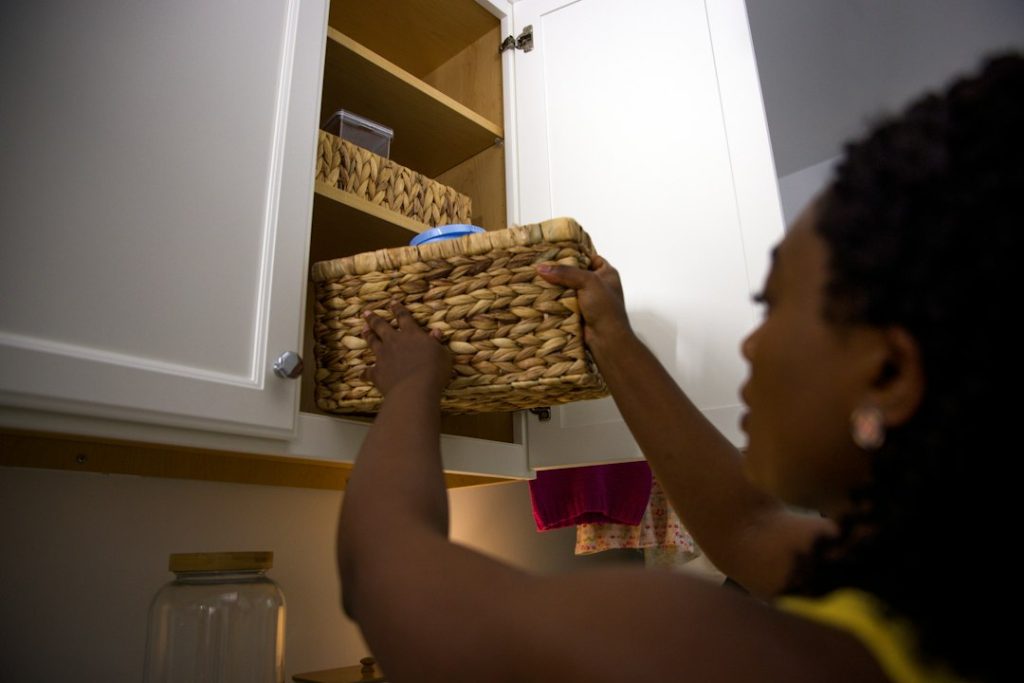



Start with the end: one predictable, low-stress week
The goal of a weekly home cleaning routine is steady maintenance: a home that feels clean most days without a marathon clean each weekend. A realistic routine breaks the house into manageable zones, pairs tasks with short time blocks, and limits deep cleaning to once or twice a month. With a weekly rhythm, you spend 15–45 minutes on most days and reserve one longer session for tasks that truly need extra attention.
Choose your time budget and rhythm
Decide how much time you can honestly allocate each day. Here are three simple rhythms you can adopt—pick one and adapt it:
- Quick daily + one 60–90 minute weekly session (best for busy households).
- 30–45 minutes on three set days (good if you prefer chunking chores into larger blocks).
- 15–20 minutes daily by room rotation (keeps mess constant but never overwhelming).
Once chosen, put those slots on your calendar as non-negotiable appointments so the routine becomes habit.
Map the house into four weekly zones
Rather than cleaning the whole house every week, rotate focused zones. A simple and effective split:
- Zone A: Kitchen (high use, quick maintenance needed)
- Zone B: Bathrooms (hygiene priority)
- Zone C: Living areas and entry (floors, cushions, surfaces)
- Zone D: Bedrooms and laundry
Assign one zone to each weeknight or to three evenings plus a weekend slot, depending on your rhythm. This gives every area consistent attention while keeping weekly effort predictable.
Daily tasks that prevent big messes
These are short actions that, together, make weekly cleaning fast:
- Make beds and tidy surfaces (2–5 minutes per bedroom).
- Wash dishes or load the dishwasher after meals (5–15 minutes).
- Wipe high-use kitchen counters and the table (2–5 minutes).
- Quick bathroom wipe of sink and mirror if needed (2–3 minutes).
- Do a 5–10 minute pickup sweep: gather trash, return stray items, and fluff cushions.
Weekly deep-maintenance checklist by zone
Spend your main weekly time block on the assigned zone. Keep the checklist short and focused—do these every week and schedule deeper tasks monthly.
Kitchen (week one)
- Wipe cabinet faces, appliance exteriors and backsplash.
- Clean sink and faucet; disinfect handles.
- Quick floor sweep and mop spot-clean high-traffic areas.
- Declutter one food storage area (top of fridge, a drawer) — toss expired items.
Bathrooms (week two)
- Scrub toilet, tub/shower and shower head areas.
- Wipe mirror, sink, and light switches.
- Replace or launder bath mats and towels if needed.
- Check grout or caulk for attention; schedule repair if persistent grime appears.
Living areas and entry (week three)
- Vacuum rugs and under furniture edges; run a robot vacuum for daily touchups.
- Dust surfaces and electronics; spot-clean upholstery.
- Clear entryway clutter and wipe high-touch knobs.
Bedrooms and laundry (week four)
- Change sheets and launder bedding.
- Declutter surfaces and sort one closet or drawer.
- Vacuum or sweep, including under beds if reachable.

Where to spend the extra time: monthly and seasonal tasks
Some jobs only need monthly or seasonal attention. Schedule them as single items in your monthly calendar so they don’t pile up:
- Dust ceiling fans and vents.
- Deep-clean oven and refrigerator interiors.
- Wash windows and wipe baseboards.
- Rotate and deep-clean upholstery cushions or rugs.
Tools and supplies that make the routine realistic
Keep a small, portable cleaning caddy stocked for daily and weekly jobs: all-purpose cleaner, microfiber cloths, a sponge, a scrub brush, disinfectant wipes, and a multi-surface floor tool. For vacuuming and floor care, a compact vacuum or a robot vacuum saves repeated effort—especially in living areas.
When a product can genuinely reduce your weekly workload, choose the most reliably ranked option from our catalog. For example, a small robot vacuum is ideal if you have hard floors or low-pile rugs and want daily touch-ups without lifting a thing.
Troubleshooting: when the routine falls apart
If you miss a slot or two, don’t try to double up later—trim tasks to essentials (dishes, trash, one surface wipe) and move the zone to the next available day. If a zone repeatedly takes longer than planned, break it into two smaller sessions or move some monthly tasks into a less-busy week.
- Choose your weekly time budget and add it to your calendar.
- Assign a zone to each weekly slot (kitchen, bathrooms, living areas, bedrooms).
- Stock a portable cleaning caddy with essentials.
- Schedule one monthly deep task (oven, windows, fans).
- Decide which daily pickups you’ll do (dishes, counters, 5-minute tidy).
A simple weekly home cleaning routine focuses on small daily habits plus one targeted weekly session. Use time budgets and zone rotation to keep maintenance short and predictable; add a robot vacuum or a compact vacuum for hands-off floor care if floors are your biggest task.
How long should each weekly session be?
Most people do well with 30–90 minutes depending on home size; pick a duration you can keep consistently and split larger tasks if needed.
Can I combine zones if my home is small?
Yes. For small apartments combine living area and kitchen or bedrooms and laundry—keeping the same rotation principle matters more than strict zones.
What if I dislike cleaning bathrooms?
Schedule bathrooms on a day when you already have a longer block or pair the task with a small reward—music, podcast, or a favorite drink—to make it less aversive.
Are daily habits really necessary?
Yes. Short daily actions (dishes, counter wipes, quick pickup) prevent mess build-up and cut the time needed for weekly sessions dramatically.
How do I keep family members involved?
Assign simple, repeatable tasks with clear expectations (e.g., wipe counters after use, empty dishwasher) and rotate responsibilities so no one person does all the work.