

Make your kitchen functional now: focus on flow, clear work surfaces and targeted storage
The fastest way to make your kitchen functional is to arrange it around how you actually cook: create clear prep space, group related tasks into zones, and use a few smart organizers to keep the tools you use daily within reach. Below are 10 practical changes—some you can do in an afternoon, others that require one small purchase—that add real usability without a full remodel.
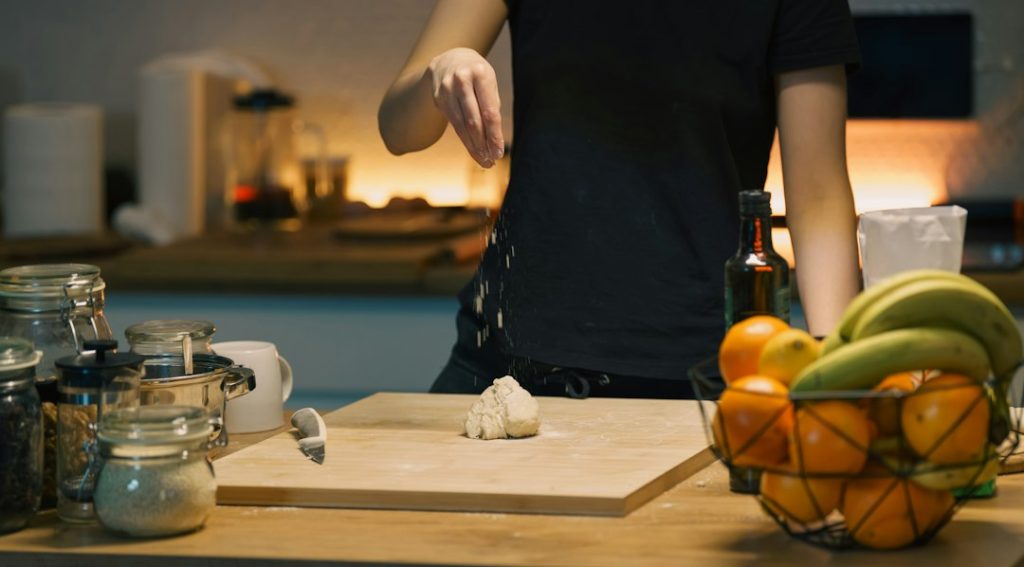
1. Think in zones, not cupboards
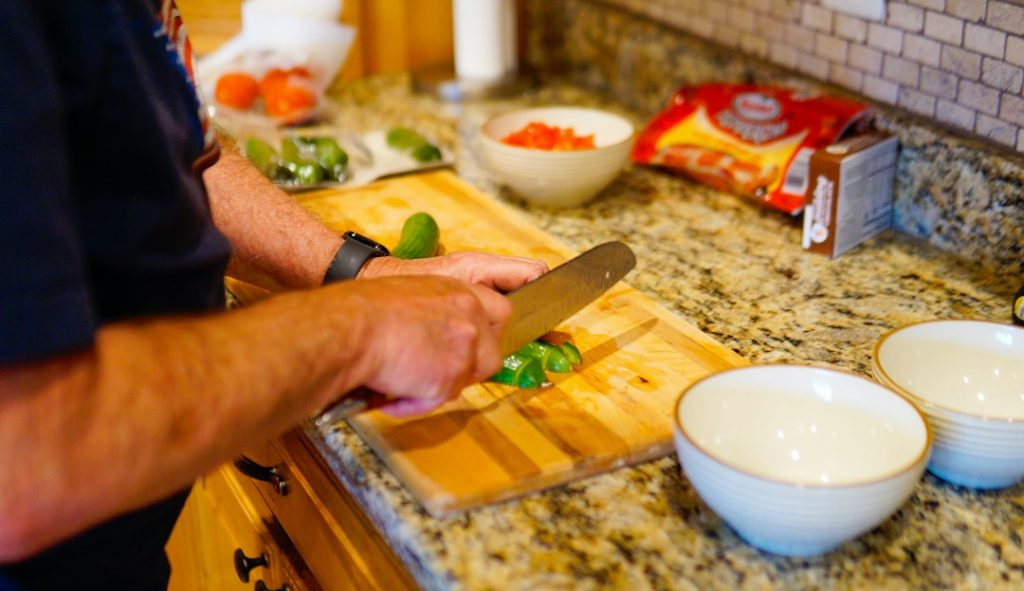
Group spaces by task: prep (cutting board, knives, mixing bowls), cooking (pots, spatulas, measuring spoons), service (dishes, serving platters), and cleanup (dish soap, drying rack). Physically move items so each zone has the tools you need. This reduces back-and-forth and makes meal prep smoother.
2. Clear and defend a dedicated prep area
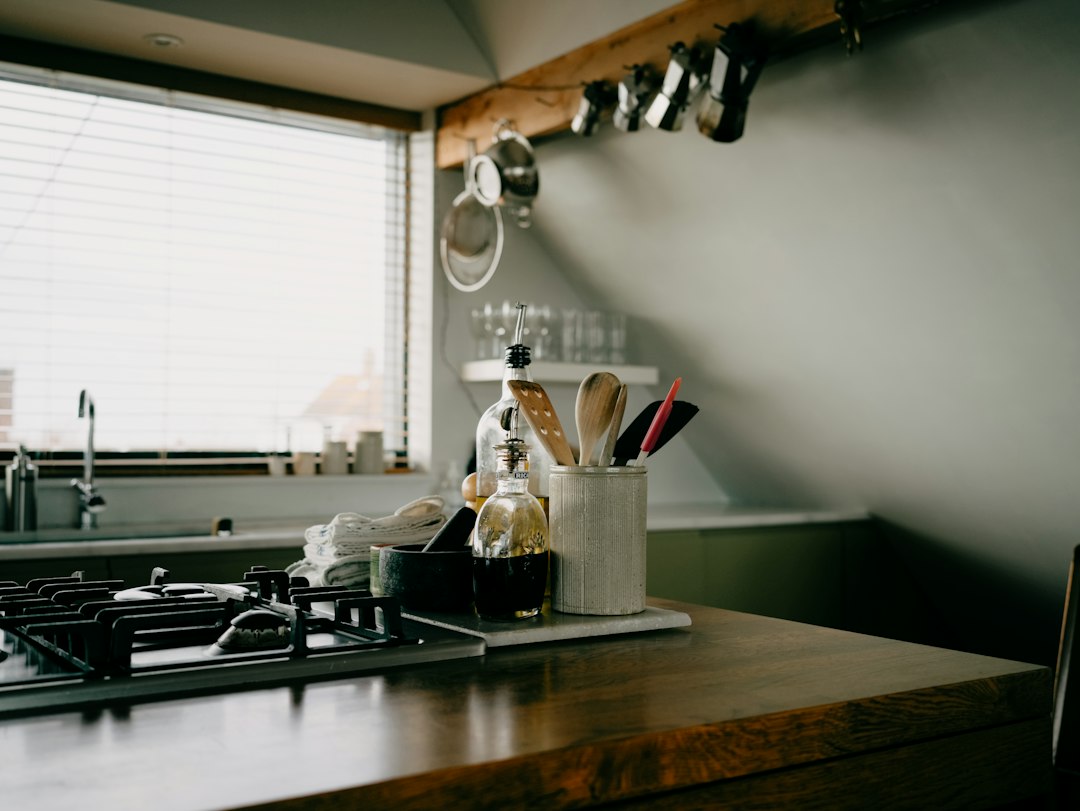
Counter clutter kills efficiency. Identify a 24–36 inch stretch as your primary prep zone and keep it clear of mail, appliances you rarely use, and decorative items. Store daily appliances (coffee maker, toaster) on a different counter or on a tray you can tuck away when not in use.
3. Use vertical space for frequently used tools
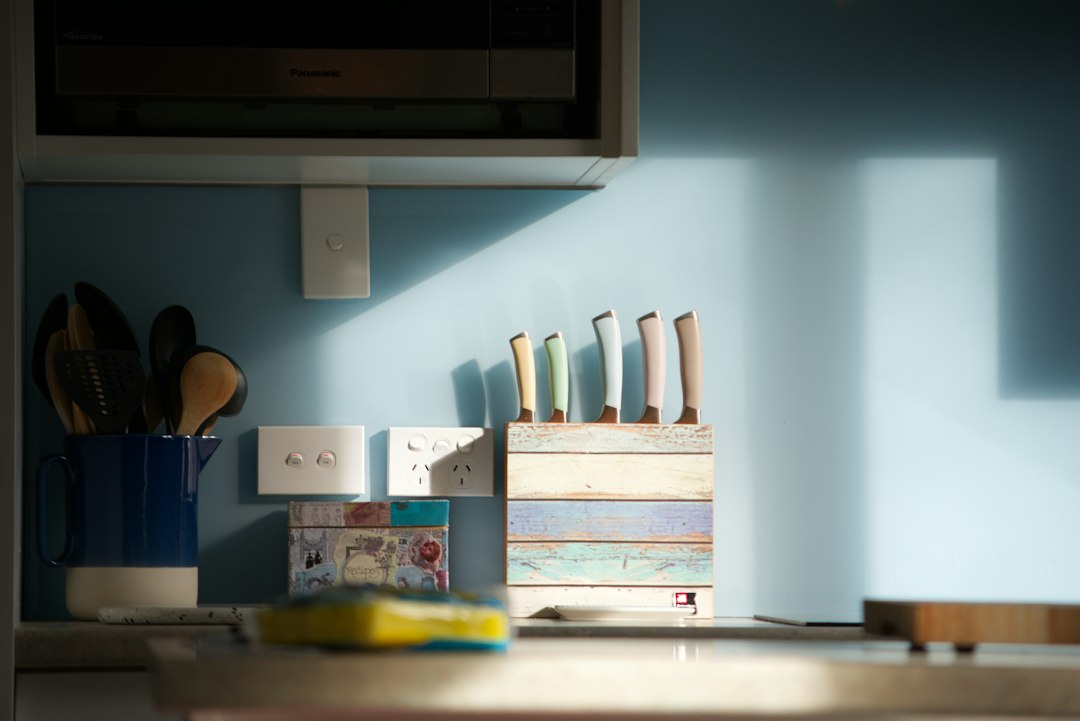
Install a magnetic knife strip, rail with hooks, or a pegboard above the counter. It frees drawer space, keeps knives visible and accessible, and reduces the need to bend or open drawers while cooking. Hang measuring cups, spatulas and a ladle nearby to keep a consistent workflow.
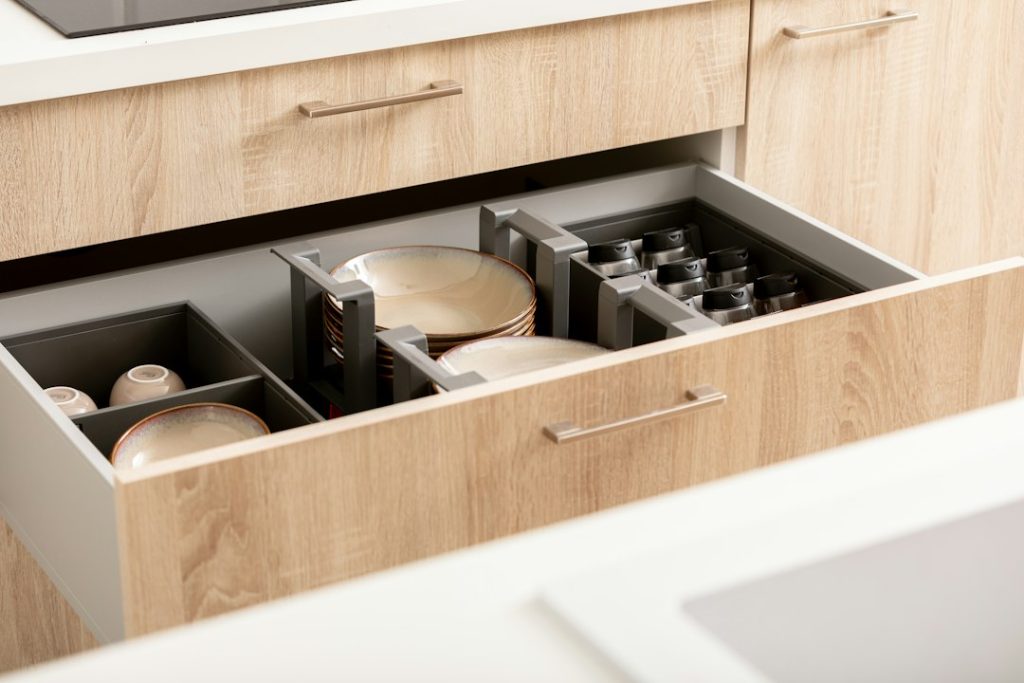
4. Rework drawer and cabinet interiors for one-motion access
Swap deep, stacked shelves for pull-out drawers or add shallow organizers so you can see everything at once. Drawer dividers for utensils and roll-out trays for pots and lids let you grab what you need in one motion instead of searching through stacks.
5. Corral small appliances and clear countertop real estate
If you rarely use an appliance, store it in a cabinet or basement. Keep only daily-use items on counters and store them on a tray to define their footprint. For tighter kitchens, consider a dedicated appliance garage or a shelf above the counter to tuck away bulkier items.
6. Make the sink area a true cleanup station
Keep dish detergent, a scrub brush, and a small drying rack or mat close to the sink. Install a pull-out trash bin in the cabinet beside the sink and add a small caddy under the sink for sponges and cleaners so everything related to cleanup is in one place.
7. Standardize containers and label shelves in the pantry
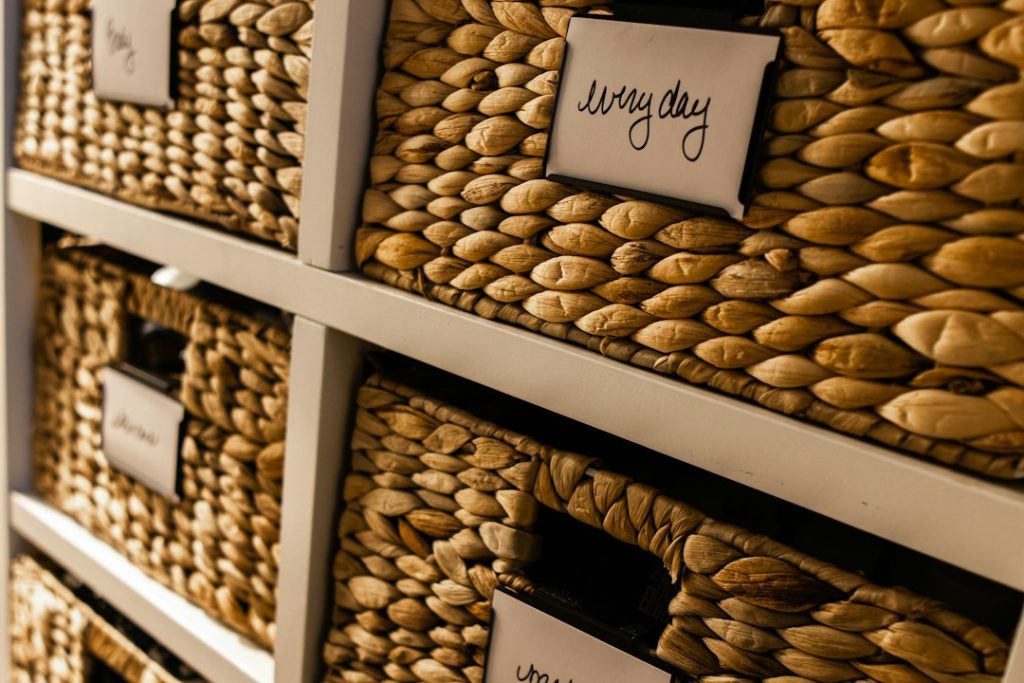
Swap mismatched bags and boxes for uniform jars or bins for staples like flour, pasta and rice. Label the front of shelves or containers to speed retrieval and restocking. Group items by use—baking, snacks, breakfast—so you don’t pull down the whole pantry while looking for one item.
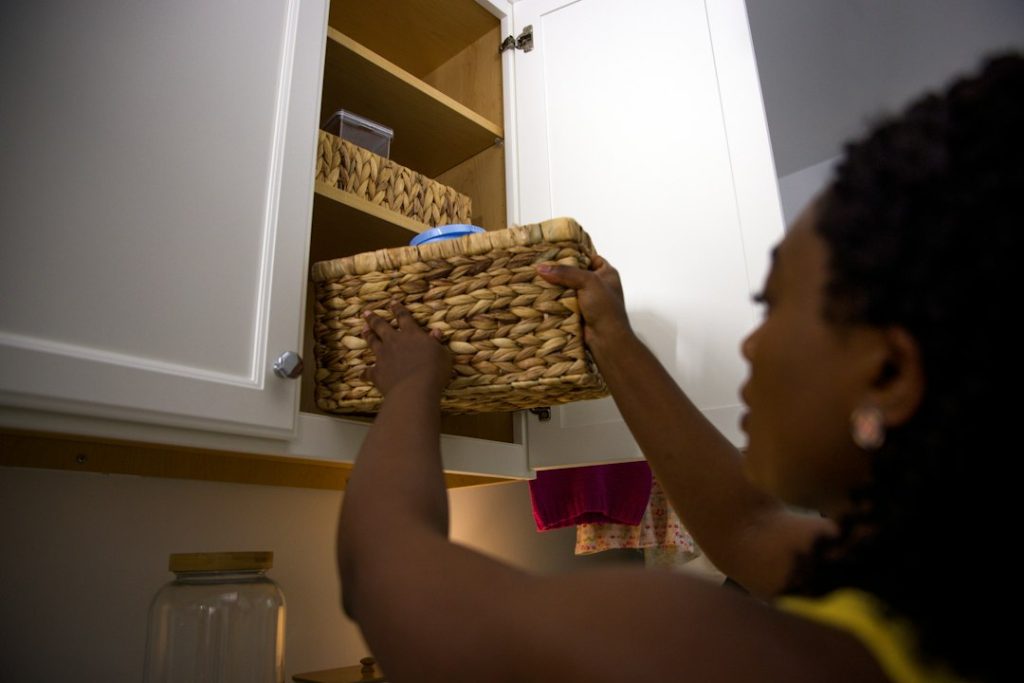
8. Adopt a “use it or lose it” tool rule
Keep only the tools you use at least once a month within arm’s reach. Rarely used specialty gadgets can live in a labeled box on a high shelf. A slim knife, a reliable peeler, and one good chef’s knife will serve most cooks; extra gadgets add clutter and slow you down.
9. Add one targeted organizer that solves a frequent friction
Pick a purchase that fixes a recurring annoyance: a pull-out organizer for pots, a lid rack, or a compact gadget that speeds prep. For example, if mincing garlic or ginger takes too long and leaves a mess, a simple hand-pulled garlic grinder is an inexpensive, space-saving solution that keeps your prep area cleaner and saves minutes per meal.
10. Plan for maintenance: 10–15 minutes a day
Functional kitchens stay functional because of small daily habits. Empty the sink or run the dishwasher each evening, wipe counters after dinner, and do a quick sweep of the prep zone before bed. These short, regular resets prevent clutter from becoming a rebuild project.
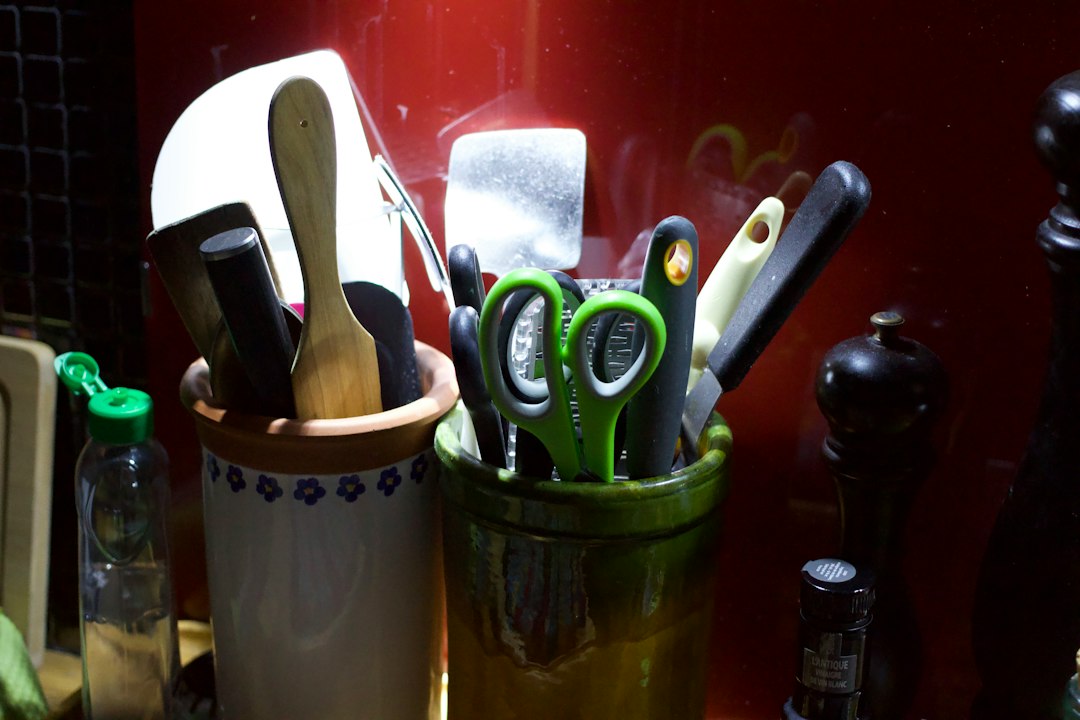
Putting it together: a quick morning checklist
Before your next meal, spend five minutes applying two items from this list: move an appliance off the counter, create a 24-inch clear prep zone, install a hook or magnetic strip, or label one pantry shelf. Small shifts compound quickly.
- Clear a dedicated 24–36" prep area on the counter.
- Group tools into sensible zones: prep, cook, serve, clean.
- Add one organizer to solve your biggest friction (e.g., garlic grinder or pot pull-out).
- Install a magnetic knife strip or hanging rail for daily utensils.
- Do a 5–10 minute evening reset: load dishwasher, wipe counters, stash unused items.
Making your kitchen more functional is mostly about reducing steps and visual noise: define zones, keep the main prep surface clear, make tools visible, and choose one organizer that addresses a specific problem. Maintain those changes with brief daily resets to keep the gains.