

Quick takeaway: focus on vertical, multi-use and decluttering first
The fastest wins come from using wall space, choosing furniture that does double duty, and removing things you don’t actually use. Apply those three priorities and pick two tactical projects below you can finish this weekend.
1. Use vertical storage to free floor space
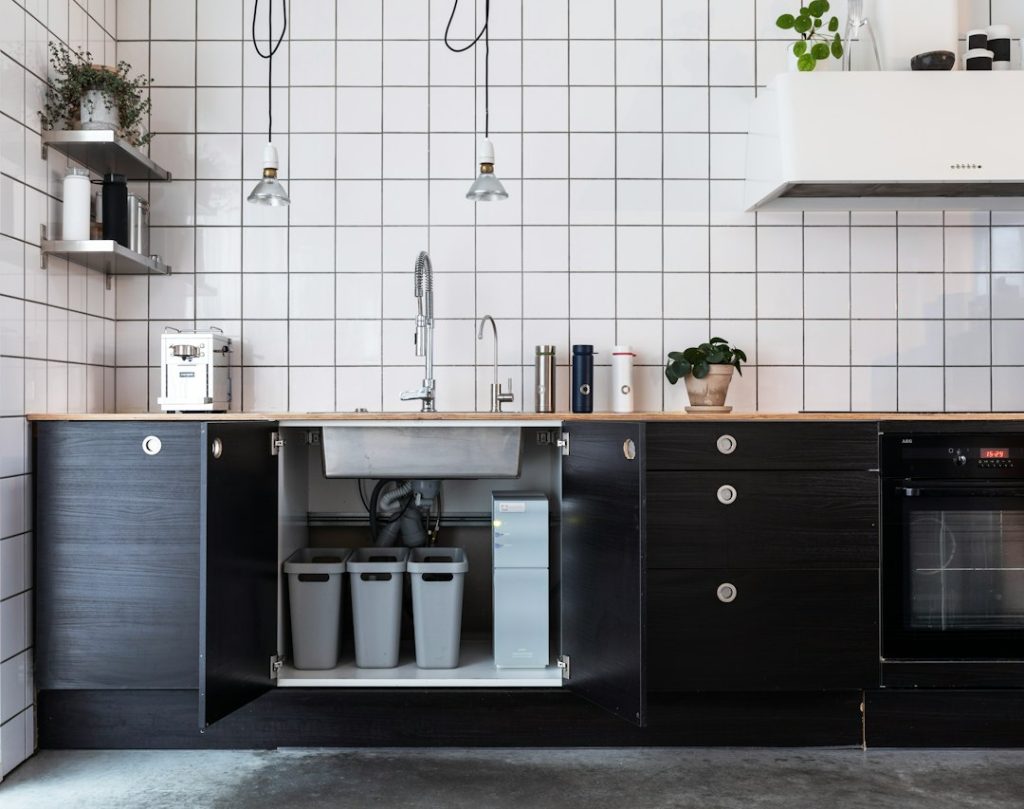
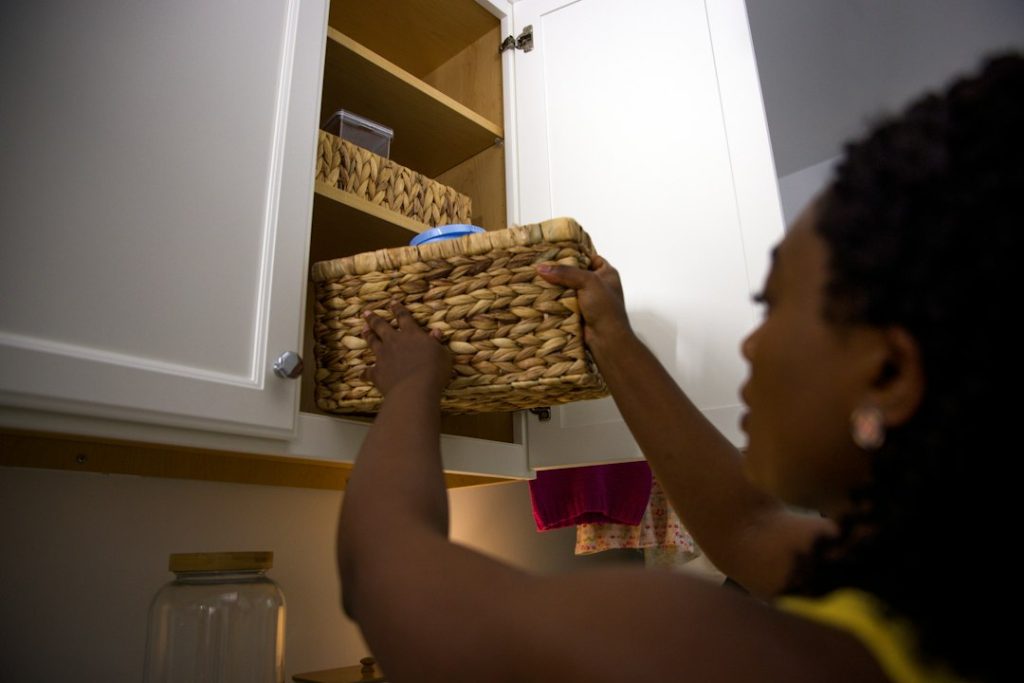
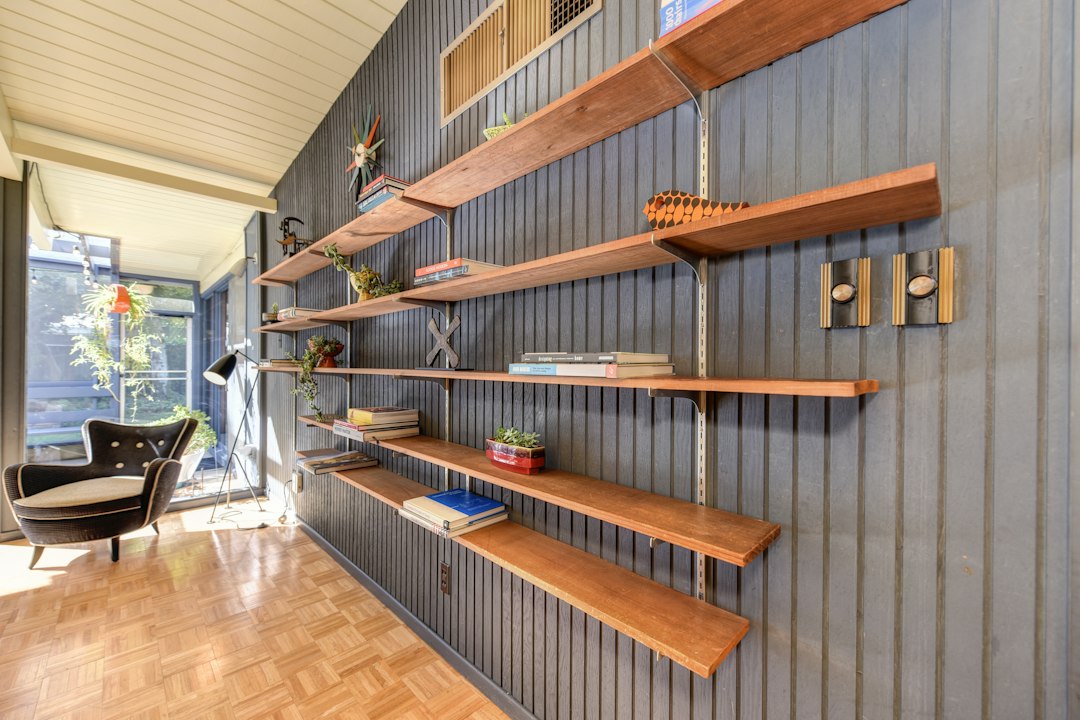
Walls are unused square footage. Install tall shelving, wall-mounted cabinets or floating shelves instead of low dressers. In kitchens, add rails for hanging pots and magnetic strips for knives; in the living room, go for floor-to-ceiling bookcases that leave room for a slim console or desk.
2. Choose furniture with built-in storage
Think storage ottomans, beds with drawers, sofas with hidden compartments and coffee tables with shelving. These add surface or seating without increasing footprint and are especially useful when you need seasonal or bulky-item storage out of sight.
3. Prioritize fold-down and fold-away furniture
Wall-mounted drop-leaf tables, Murphy beds, and folding desks let a space serve multiple functions. A dining surface that folds away turns an eating area into a workspace instantly. If you rent, choose free‑standing folding pieces that don’t require drilling.
4. Maximize the often-forgotten under-bed area
Use low, rolling bins or vacuum storage bags for off-season clothing, spare bedding and bulky textiles. Clear bins let you see contents; vacuum bags save the most space for heavy items like comforters.
5. Convert doors and narrow gaps into storage
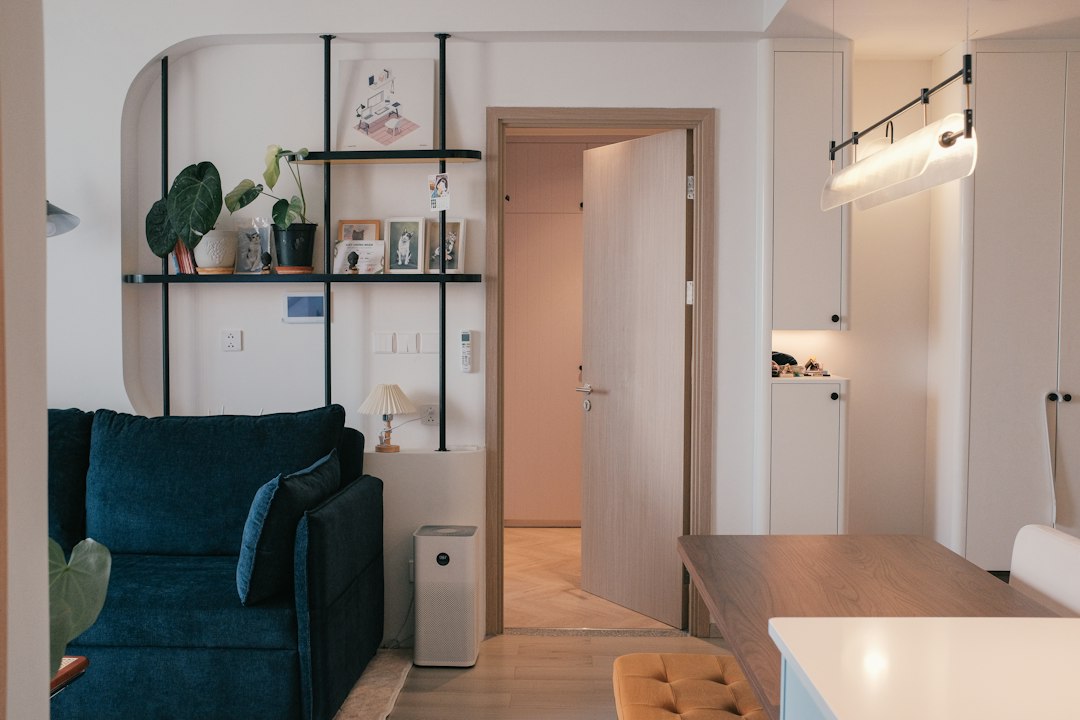
Over-the-door organizers work for shoes, cleaning supplies and toiletries. Slim rolling carts fit between a fridge and wall for pantry overflow. On closet doors, hang hooks for belts, bags and scarves to reclaim drawer space.
6. Use closet systems and vertical hangers
Install a closet rod extender, add extra shelving, or use hanging organizers to multiply usable space. Stackable shirt organizer boards or cascading hangers let you keep more clothes in the same linear rod length while keeping items visible and accessible.
7. Declutter with a short, ruthless routine
Space-saving depends on what you keep. Apply a 90/90 rule for one drawer or shelf: if you haven’t used something in 90 days and don’t have a plan to use it in 90 days, donate or sell it. Do a 15-minute purge each week to stop clutter from returning.
8. Create zones so each area has a purpose
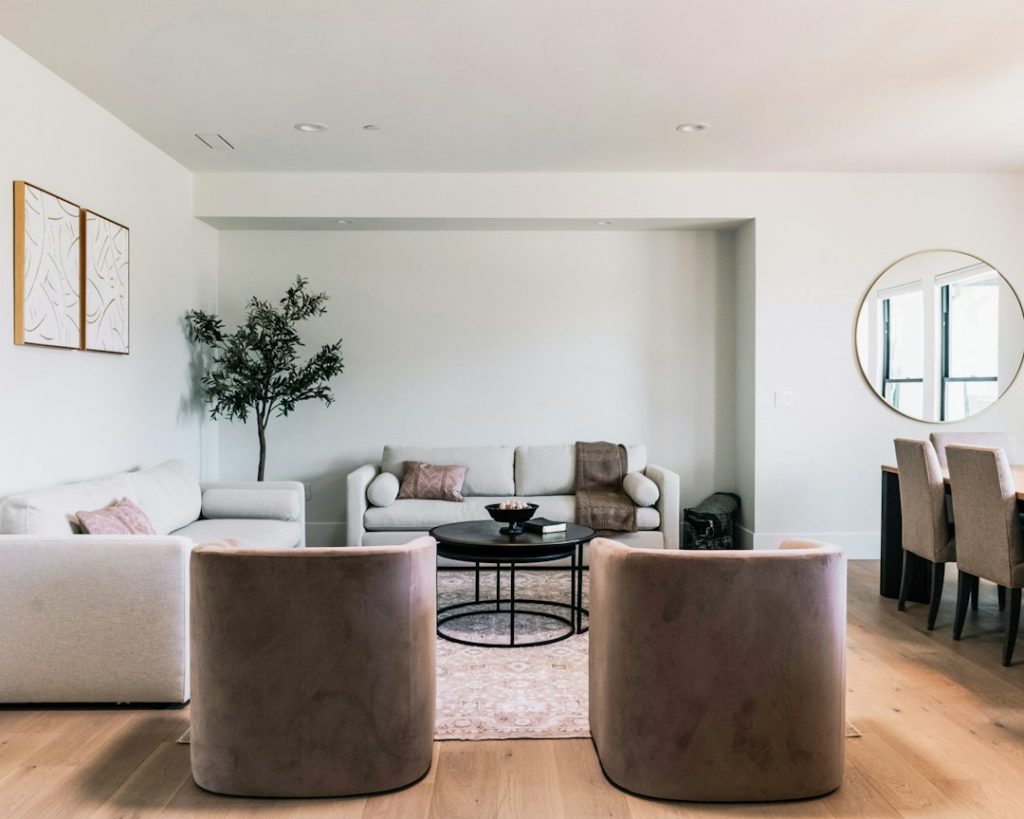
In tiny homes, overlapping functions are unavoidable—define them. Use rugs, shelving, or a bookcase as a room divider so the living area, sleeping nook and workspace feel purposeful. When zones have clear storage for the things used there, items aren’t carried around and left out.
9. Think small when buying new
Buy narrower furniture and shorter appliances designed for compact homes. A slim console can serve as entry storage; a compact dishwasher or under-counter washer-dryer frees kitchen or closet space elsewhere. Measure before you shop; a few inches matter.
10. Use clear containers and labels to reduce visual clutter
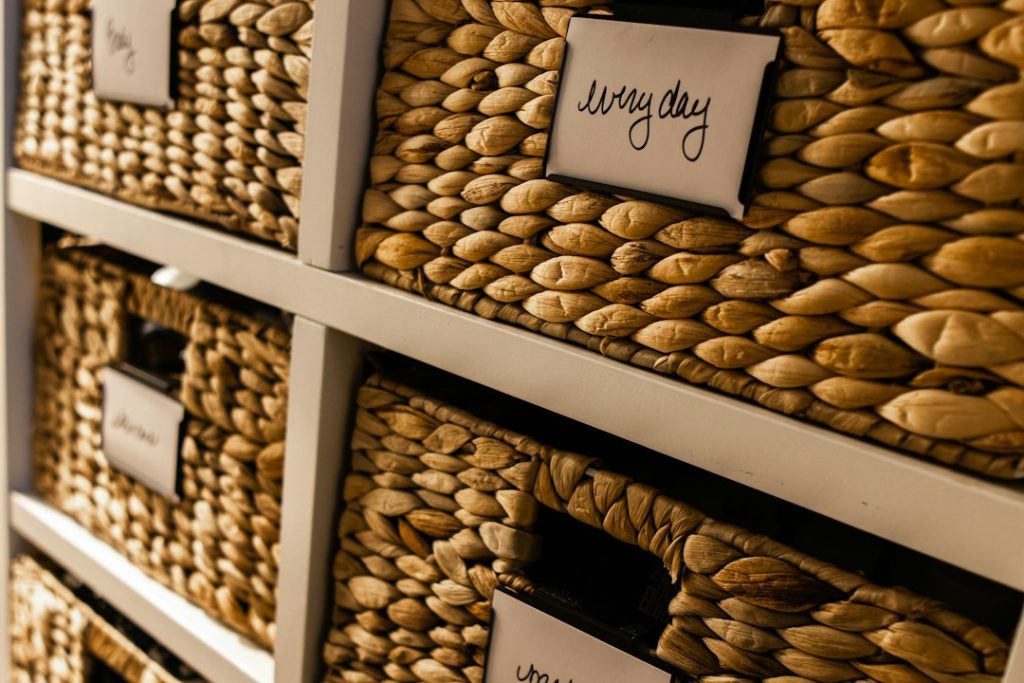
Visible, labeled storage makes it easier to find and put things away. Transparent shoe boxes, clear pantry canisters and labeled baskets reduce duplicates and the “I’ll-search-for-it” syndrome that leads to mess piling up.
11. Use wall hooks and racks for gear and bikes
Bikes, coats, backpacks and brooms shouldn't live on the floor. A vertically mounted bike rack or a row of heavy-duty hooks in an entryway will reclaim valuable floor space while keeping frequently used items accessible.
12. Compress bulky seasonal items and rethink extras
Vacuum storage bags and compressible organizers dramatically reduce the footprint of winter bedding and out-of-season clothes. For items you use only occasionally (party platters, seldom-worn formalwear), consider off-site storage or a small locker service if your apartment still feels tight.
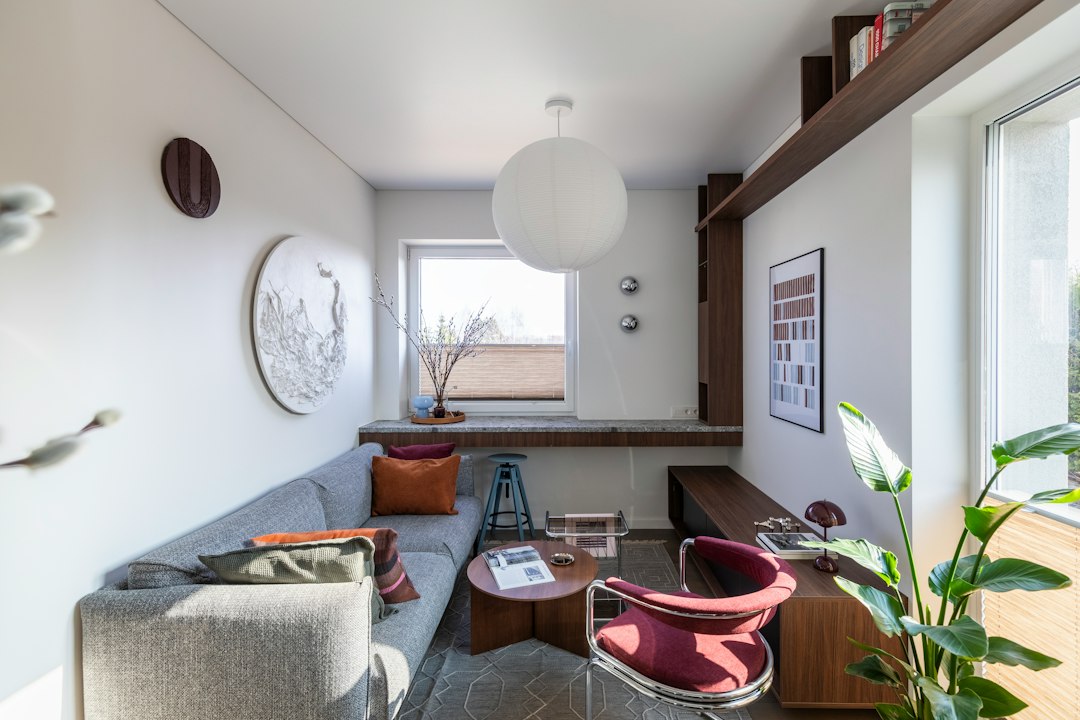
The product above is useful when you need to compress blankets, jackets and bulky linens—perfect for under-bed or closet storage to free closet and shelf space.
- Measure the problem area (height, width, depth) before buying anything.
- Choose one vertical solution and one multifunctional furniture swap.
- Purge 10 items you no longer use and box them for donation.
- Label two clear bins for seasonal items and move them under-bed or to the top shelf.
- Install at least one wall hook or over-the-door organizer.
Effective space-saving blends three habits: use vertical space, choose furniture that does more than one job, and remove the things you don’t need. Tackle one zone at a time, measure carefully, and favor visible, labeled storage so your small space stays functional.
What’s the best first step for a small apartment?
Identify one daily pain point (e.g., no place for shoes or a crowded counter) and fix it with a single targeted solution—hooks, a slim shoe rack, or a small shelf—to build momentum.
Are vacuum storage bags safe for all fabrics?
They work well for bulky bedding and seasonal clothing but can crush delicate fabrics; avoid long-term storage for leather, suede, and items that need airflow.
How do I convince a landlord to allow wall-mounted storage?
Offer to use removable hanging systems, command strips rated for the load, or agree to repair minor holes when you move out; show how it protects floors and cabinets too.
Which rooms benefit most from multi-use furniture?
Studios and small living rooms gain the most—sofas that convert to beds, nesting tables, and drop-leaf dining tables deliver big returns in limited footprints.
When should I consider off-site storage?
If you have seasonal items you rarely use but can’t compress, or sentimental items you can’t part with, compare the monthly cost to the stress of clutter—sometimes a small locker is worth it.