

What matters — and what you can safely ignore
Busy households need organization that saves time, reduces decision fatigue, and survives messy kids or rushed mornings. That means prioritizing visible systems, daily routines and a few smart storage buys. Ignore perfection: you don’t need matching bins or a magazine-ready shelf to get functional results.
1. Start with zones, not rooms
Think in activity zones: entry, meal prep, homework, play, laundry. Assign a specific storage solution and one visible surface per zone (a hook row, a counter tray, a homework caddy). Zones make it easy for everyone to know where items live and what to return after use.
2. Create a command center at the entry
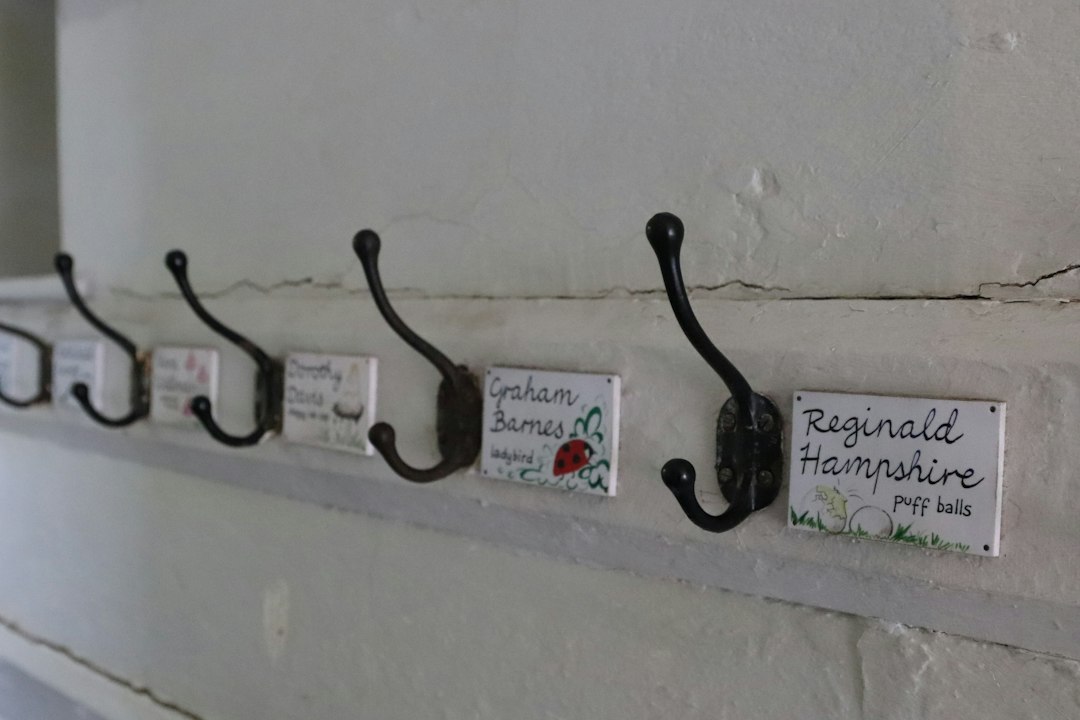
Place hooks for daily bags and coats, a low shelf or cubby for shoes, and labeled baskets for incoming mail, permission slips, and keys. A small whiteboard or calendar helps coordinate schedules—treat it as the family’s single source of daily truth.
3. Use clear, labeled containers in high-traffic storage
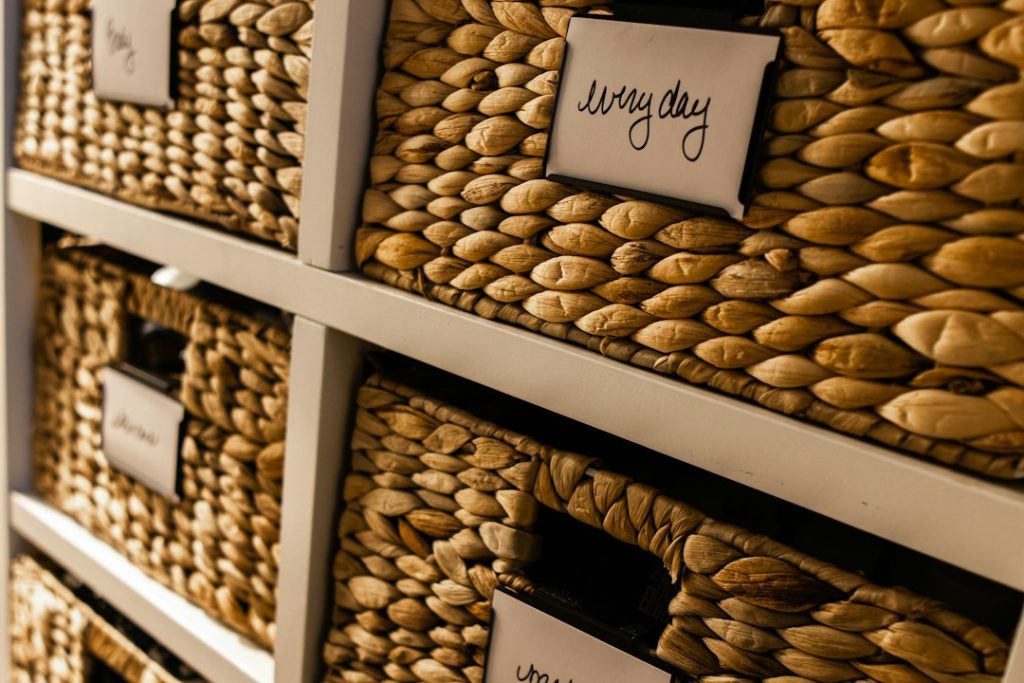
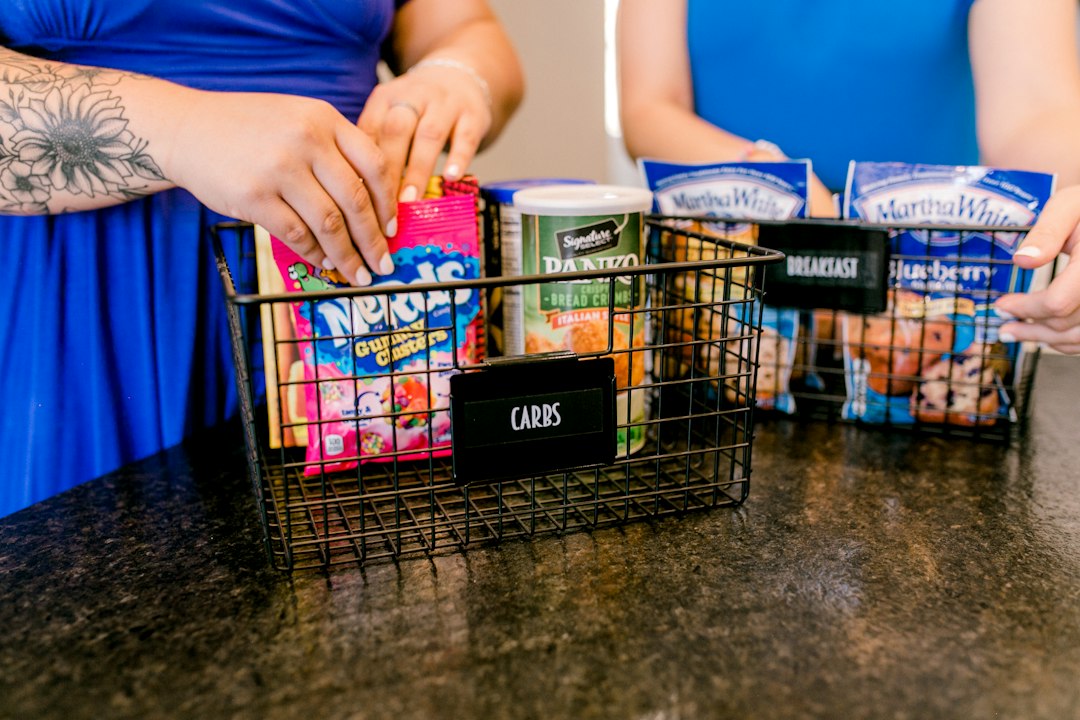
Clear bins for pantry staples, snack drawers, and toy collections let you see quantity at a glance. Label lids or fronts with quick tags (snacks, school supplies, craft) so kids can find and return things without asking.
4. Cut laundry time with a three-bag sorter
Place three hampers (lights, darks, delicates) close to primary bedrooms or the bathroom. Pre-sorting saves one step at laundry time and reduces the “where does this go?” question for kids learning chores.
5. Keep everyday kitchen tools within reach
Designate a single drawer or counter tray for the things you use every day—spatula, can opener, measuring spoons. Use a drawer organizer to prevent jumbled utensils; keep specialty gadgets in a separate spot so the daily tools are always easy to find.
6. Make cleaning effortless with a portable caddy
Keep a small caddy stocked with multi-surface spray, microfiber cloths, a scrub brush and disinfectant wipes. Store one in the kitchen and one near bathrooms so quick touch-ups happen without hunting supplies.
7. Use “donation” and “trash” bins at decision points
When decluttering a drawer, closet or shelf, have two bins nearby. Items move fast from “maybe” to “no” if dropping them into donation or trash is easy. Schedule a monthly donation run so the pile doesn’t become another pile of clutter.
8. Corral small items with drawer inserts and trays
Small bins inside drawers stop things from migrating and speed up retrieval. Use shallow trays for electronics chargers, remote controls and mail on entry consoles. For desks, a transparent book stand or pencil tray makes work supplies visible and tidy.
9. Rotate toys and crafts to reduce overwhelm
Store 60–70% of toys out of sight and rotate weekly. Children rediscover items and cleanup is quicker because fewer pieces are in play. Label the storage boxes by type or age so swaps are fast.
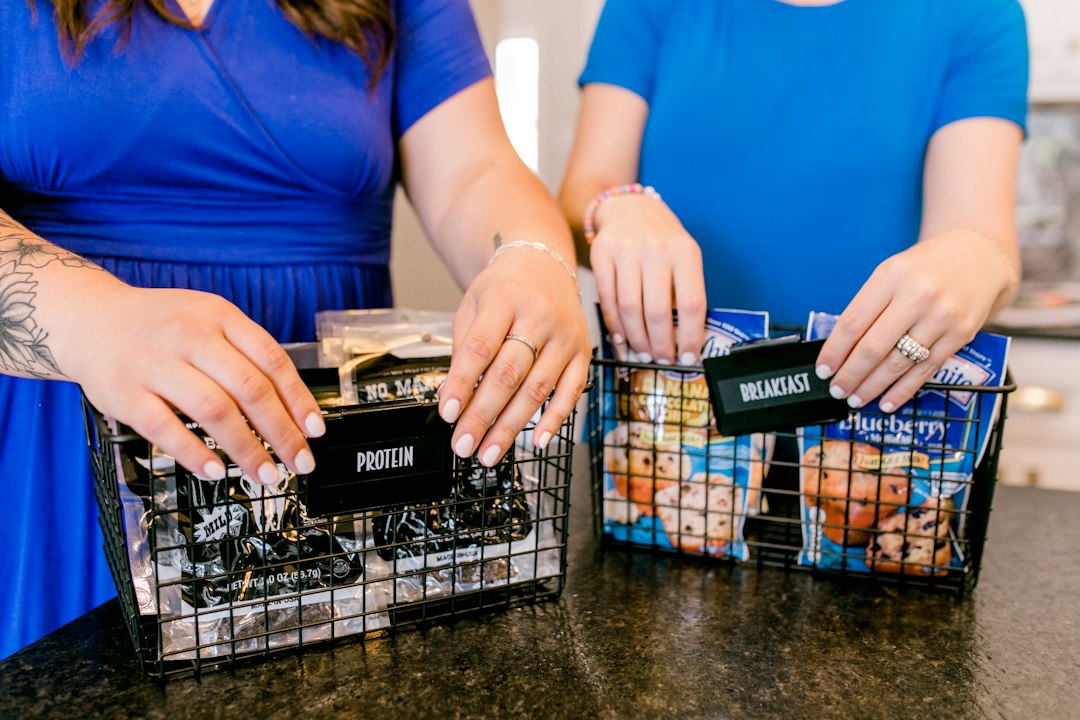
10. Turn a shelf into a meal-prep station
Designate one lower pantry shelf or a single drawer for meal-prep items: storage containers, measuring cups, and sauces. Keep a shopping list pad and a small basket for weekly staples so you can pull together lunches in five minutes.
11. Make mornings automatic with outfit and school prep
Pick outfits and pack backpacks the night before. Use a hanging organizer or labeled cubbies for each family member with a slot for shoes, a hook for outerwear and a basket for that day’s papers and masks. This removes decision-making when time is short.
12. Use vertical space and door storage
Over-the-door shoe racks, wall-mounted pegboards, and tall shelving free floor space. Hang brooms and mops on wall hooks, and use simple floating shelves for mail and keys. Vertical solutions are often the cheapest way to add storage without remodeling.
13. Set a 10-minute nightly reset
Make a family rule: 10 minutes before bed everyone clears their zone—fold a throw, tuck toys away, wipe counters. Short, daily resets prevent the need for longer weekend cleanups and keep systems working.
14. Choose one smart storage buy that makes the biggest difference
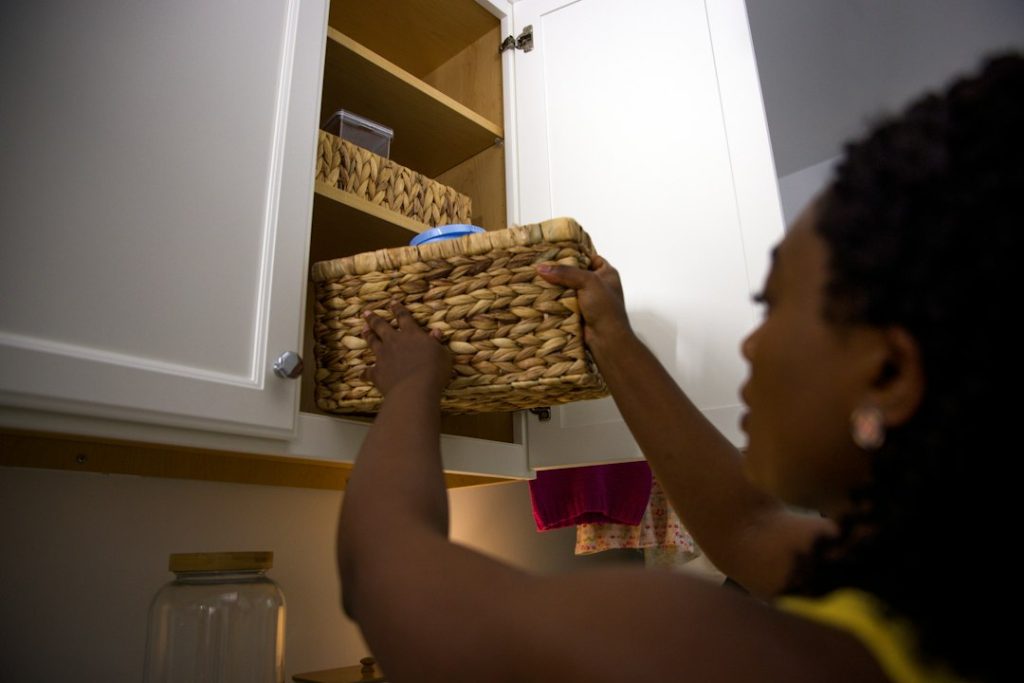
If one product will change daily life, pick a versatile, high-utility organizer. For many households, an adjustable clothes storage box (foldable fabric storage) solves closet overflow, seasonal swaps and toy containment with one purchase.
15. Teach simple rules and make them visible
Post three household rules near the command center—return shoes, sort laundry, clear the table—and make responsibility age-appropriate. Visual chore charts and short checklists help kids take ownership and reduce nagging.
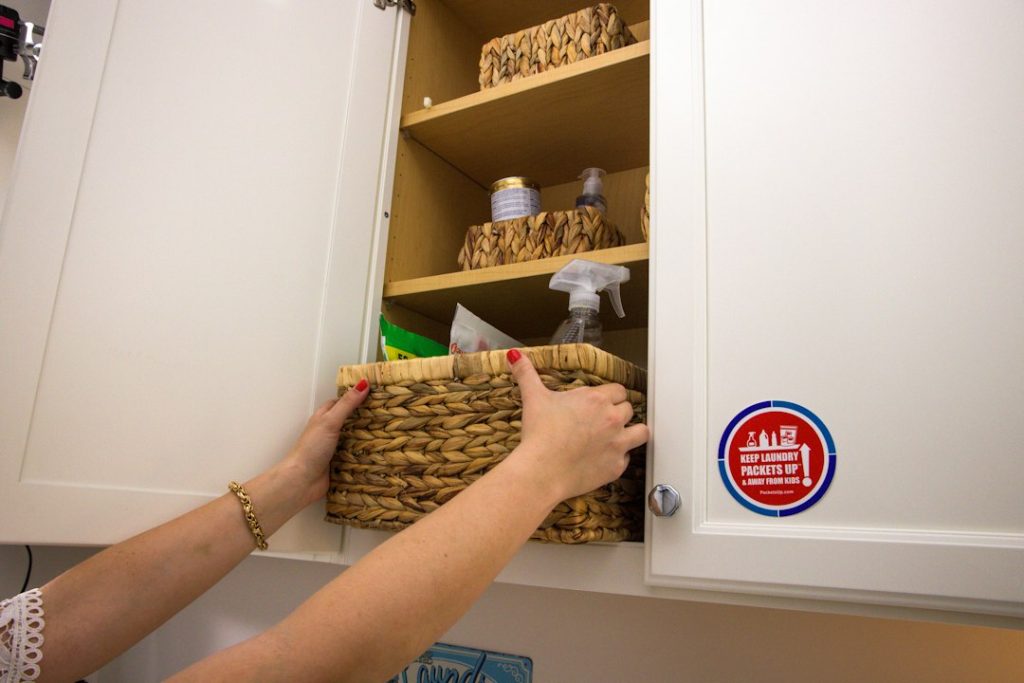
Place frequently used items at eye level for kids and seated adults; reserve higher shelves for infrequently used or hazardous items.
- Map your home into 4–6 activity zones and assign one storage spot for each.
- Add clear labeled bins for pantry, toys and craft supplies.
- Install hooks or cubbies at the entry for daily grab-and-go items.
- Place a portable cleaning caddy in kitchen or bathroom.
- Buy one versatile storage box (foldable fabric) for closet overflow.
Focus on systems that reduce decisions and visibly guide behavior: zones, a command center, and daily resets. Invest in one high-impact storage item and simple labels to make maintaining order doable for every family member.
How often should I declutter in a busy household?
Quick weekly sweeps for high-traffic areas and a fuller declutter session once per season balance maintenance with limited time.
What storage works best for small apartments?
Vertical shelving, over-door organizers, and multi-use furniture (benches with storage) maximize space without extra footprint.
How do I get kids to help keep things tidy?
Use simple, visible rules, age-appropriate chores and labeled low bins so children can complete tasks independently and feel ownership.
Which room benefits most from a storage investment first?
Start with the entry (command center) or kitchen—both yield outsized time savings by streamlining daily routines.