

Quick reality check before you start
Most kitchen drawers become messy because they try to be everything at once: utensil caddy, spice rack, junk bin and a place to shove odd hardware. The easiest wins come from deciding each drawer’s primary job, then matching a divider or insert to that job. Below are 11 practical drawer organization ideas—some take five minutes, others require a small purchase—that reduce daily friction and keep things genuinely useful.
1. Assign one clear purpose per drawer
Pick a dominant function for each drawer: everyday utensils, cooking tools, spices, food wrap, or miscellany. Keep only items that fit that purpose in the drawer and relocate overflow (gloves, manuals, batteries) to a labeled bin elsewhere. This decision prevents the scatter problem before it starts.
2. Use adjustable dividers for utensils and tools
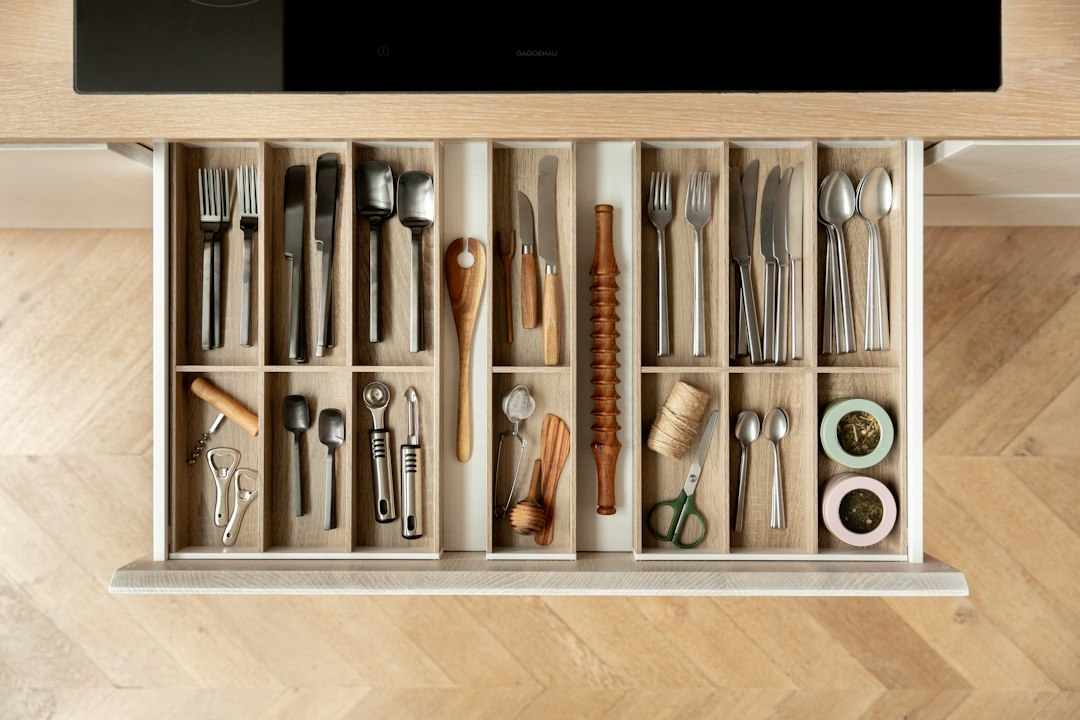
Adjustable wooden or plastic dividers let you create tailored slots for forks, knives, spatulas and whisks. For mixed tool drawers, stagger slot sizes so flat items sit flat and taller items stand without toppling.
3. Convert a shallow drawer into a spice drawer
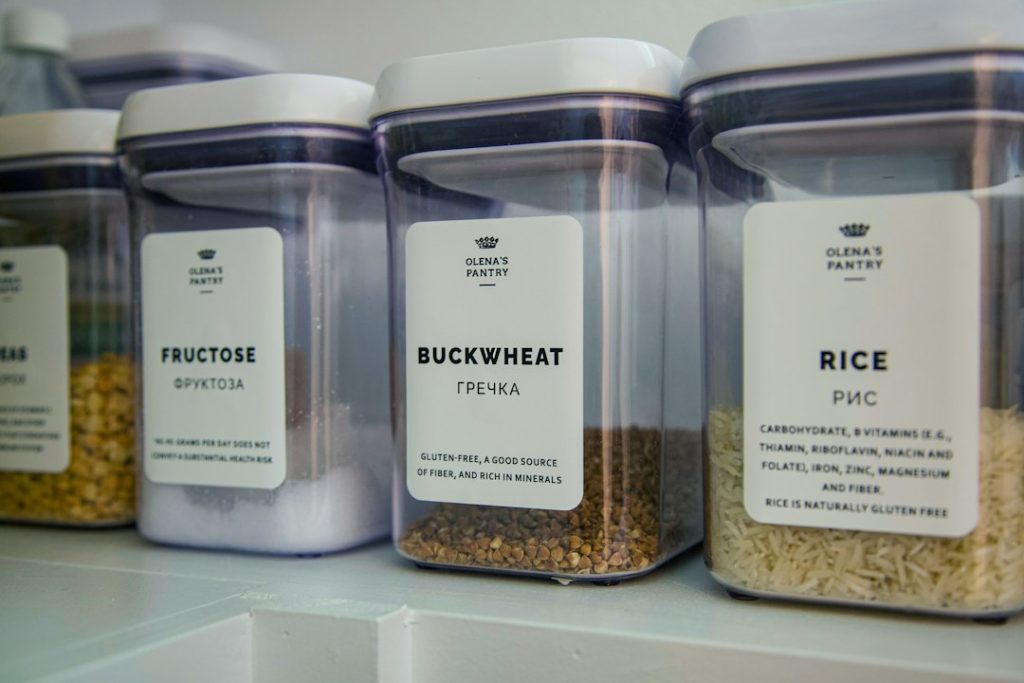
Shallow drawers are ideal for spices because they give a single-layer view. Line the drawer with non-slip liner and use uniform spice tins or small clear jars laid on their sides with labels visible. If you prefer, a shallow angled spice rack insert keeps labels facing up for quicker scanning.
4. Make a dedicated prep drawer for daily cooking
Keep measuring spoons, cups, small scales, peelers and a few frequently used spices together. Store them in a single drawer near the stove with a removable tray so you can pull out the whole set while you cook.
5. Store lids and baking sheets vertically
Use a vertical divider or plate rack insert in a wide drawer to store baking sheets, cutting boards and lids on edge. This reduces digging and allows you to pull only what you need. Measure drawer depth first—some racks are thin and adjustable, others require a few inches of clearance.
6. Tame the junk drawer with small compartment trays
Reserve one small drawer for charging cables, scissors, tape and batteries—but sort it. Use a modular compartment tray or small clear boxes for groups: writing utensils, fasteners, batteries, and small tools. Label the compartments if several people share the kitchen.
7. Add a shallow cutlery tray for silverware overflow
If your top drawer is already full, add a shallow cutlery tray to a lower drawer for overflow or specialty flatware. Pick a tray with a textured base to keep knives from sliding and a slot long enough for dinner knives.
8. Make a drawer into a cooking-station kit
For busy weeknights, dedicate one drawer to a “pantry kit”: can opener, corkscrew, bottle opener, small chopper, and a stack of reusable food covers. Keep it by the food storage area for fast access and fewer trips across the kitchen.
9. Use non-slip liners and small bins to prevent shifting
Non-slip drawer liners are cheap and powerful—combined with small bins they stop things from migrating when you open the drawer. For glass jars, add a thin foam liner under the jar row to reduce clinking and breakage.
10. Install a pull-out tray or tiered organizer for lower drawers
Deep lower drawers are great for pots and pans, but stacking makes retrieval hard. A pull-out tray or tiered organizer creates levels so lids and skillets are visible and accessible. If you can’t install hardware, use heavy-duty rolling trays that slide within the drawer.
The pull-out organizer above is a practical match for wide drawers used for pots and pans: it keeps lids upright and pans stacked without crushing handles, and the sliding action makes access simple—especially if the drawer is deep.
11. Label and maintain — quick weekly reset
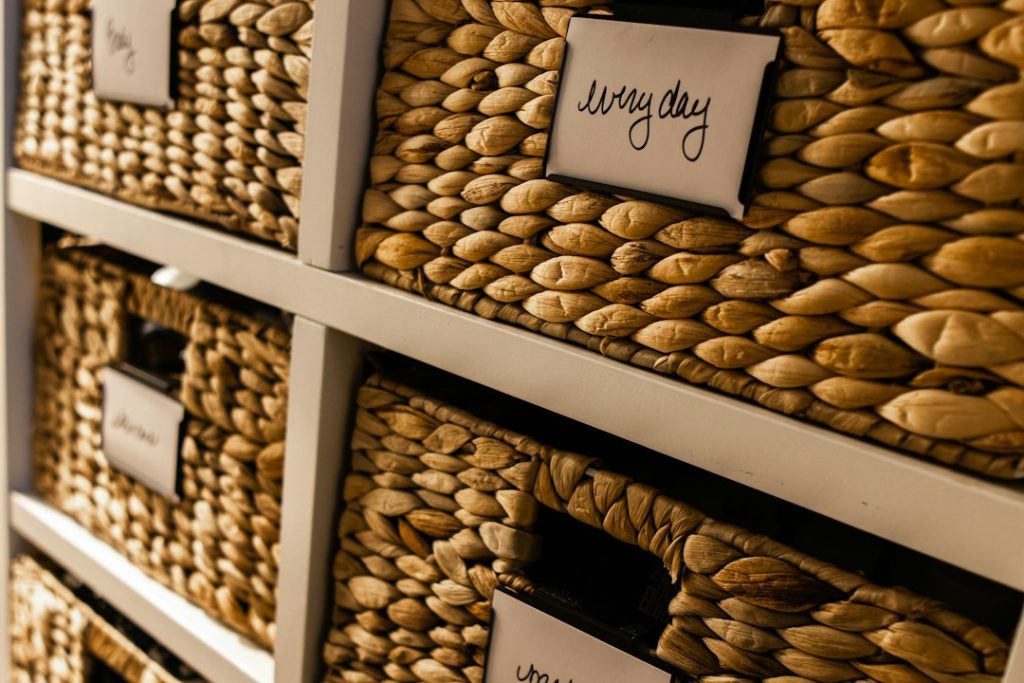
Labels speed cleanups and help family members return items to the right place. Spend five minutes each week: discard expired contents, refold foil boxes, and re-center dividers. Small, regular maintenance prevents the need for major overhauls.
Practical examples and trade-offs
If you have many small utensils, grouping by task (baking vs. serving) beats grouping by material (wood vs. metal). For small kitchens, prioritize near-stove drawers for cooking tools and move seldom-used gadgets to a lower cabinet. If you rent and can’t install hardware, choose non-permanent solutions—freestanding racks, removable dividers, and trays—that do the job without drilling.
When buying inserts: what to check
Measure drawer depth, width and interior height before you buy. Look for materials that tolerate kitchen humidity (acrylic, treated wood, bamboo or stainless steel) and avoid cheap thin plastic if you store heavy items. If you share the kitchen, choose a system that’s easy to reconfigure.
- Decide the single primary purpose for each drawer.
- Measure interior drawer dimensions before buying inserts.
- Match divider type to item shape (vertical for lids, shallow for spices).
- Use non-slip liners and modular bins to prevent shifting.
- Label compartments and schedule a 5-minute weekly reset.
Focus on function first, then choose dividers and inserts that fit measured drawer dimensions. Small investments—spice tins, a pull-out tray, or a modular tray—deliver outsized daily convenience when paired with a brief weekly reset.
How many drawers should I dedicate to cooking tools vs. miscellaneous items?
Keep at least one drawer within arm’s reach of the stove for cooking tools, one for everyday silverware, and limit miscellaneous items to a single small junk drawer to reduce scatter.
Are wooden dividers better than plastic?
Wooden dividers are attractive and sturdy but can swell in humid kitchens; plastic is more moisture-resistant and often adjustable. Choose based on drawer environment and the items’ weight.
Can I make a spice drawer without buying special tins?
Yes—use uniform small jars or reuse clean, labeled food jars laid on their sides; an angled insert or a simple label system keeps names visible.
What’s the best way to store lids in a drawer?
Use a vertical divider or plate rack insert so lids stand on edge; group by size to make matching with pots faster.
How often should I reorganize my drawers?
Do a quick 5-minute reset each week and a deeper 20–30 minute review every 3–6 months to remove items you no longer use.