

Why small bathrooms benefit from targeted organization, not more stuff
People often think organizing a small bathroom means buying more bins. The overlooked detail: admitting less visible space and choosing multi-use solutions wins far more than extra containers. These bathroom organization ideas focus on visibility, vertical space and quick wins you can implement in hours, not days.
1) Use over-the-toilet shelving to reclaim wasted vertical space
An over-the-toilet shelf or cabinet converts dead space into usable storage for towels, spare toilet paper and discreet baskets. Choose an open shelf if your bathroom is tiny—openness reduces visual bulk—or a closed cabinet if you need to hide toiletries.
Practical tip: measure from floor to ceiling and leave at least 6–8 inches between the top of the toilet tank and the lower shelf for comfortable access.
2) Hang a slim shower caddy to keep in-shower products off ledges
Shower ledges and corners are clutter magnets. A slim hanging caddy that attaches to the showerhead or uses tension between wall and ceiling keeps bottles organized and drains properly—avoid flat trays that pool water. For glass doors, a suction caddy rated for wet environments works well.
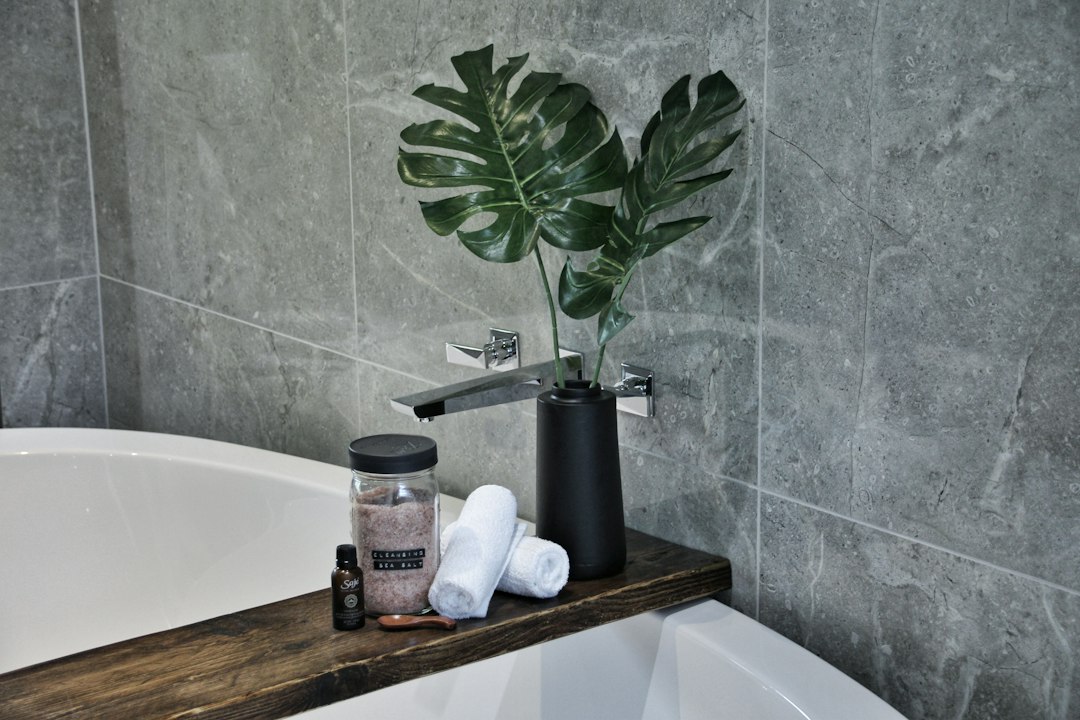
3) Install adhesive hooks and rails for towels and tools
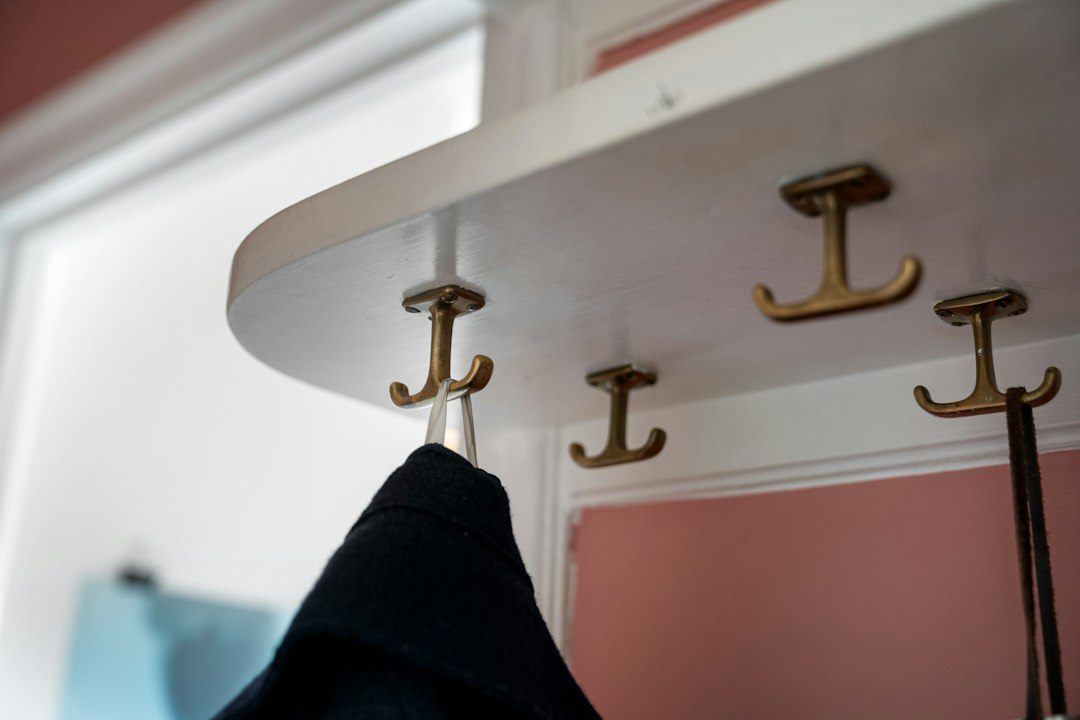
Hooks are one of the fastest space-savers. Adhesive hooks and short rails hold towels, robes, loofahs and small baskets without drilling. Use 3–4 hooks vertically near the door or behind it for daily towels and two lower hooks for kids’ robes. Look for waterproof adhesive and keep weight limits in mind.
4) Create a slim vanishing shelf for daily essentials
If counter space is minimal, add a narrow floating shelf above the sink—6–8 inches deep—to hold items you reach for every day: toothbrush cup, face wash, or a small tray. Keep the shelf clear by limiting it to 3–5 daily items; everything else goes in drawers or cabinets.
5) Make drawers work: dividers, trays and nestable bins
Drawers in small vanities become junk drawers fast. Use shallow trays and adjustable dividers to give everything a home—one zone for hair tools, one for makeup, another for medications. Transparent or labeled bins speed retrieval without opening every drawer.
Example: stack a slim makeup tray next to a narrow divider for cotton pads and razors, so daily routines are faster and mess stays contained.
6) Use corner shelving to exploit awkward corners
Corners often feel unusable but can accept triangular shelves or a small tower. Install 2–3 tiers in a corner near the tub or sink for extra towels, plants, or a basket of extra toiletries. Corner units give big storage gains while keeping the main floor area clear.
7) Keep small items corralled with wall baskets or magnetic strips
Wall-mounted baskets are perfect for face cloths, combs and smaller bottles. Magnetic strips mounted inside a cabinet door hold metal grooming tools like tweezers, scissors and nail clippers—freeing drawer space and making them visible at a glance.
8) Stow bulk supplies under the sink using stackable bins
Under-sink space is irregular but deep. Use stackable, pull-out bins to store cleaning supplies, extra toilet paper and bulk shampoo. Clear-front bins let you see contents and make restocking faster. Reserve the back for rarely used items; put everyday extras in front.
9) Choose a single product to handle multiple hang-ups
One small, inexpensive tool can make a noticeable difference: a foldable storage hook that hangs over the washbasin or cabinet door to hold baskets, brushes or wet tools. It’s especially useful where drilling isn’t allowed.
Product pick: if you need a compact, no-drill hook solution to hang baskets or tools over a sink or rail, consider this foldable storage hook from our catalog. It's the top-ranked local match for small bathrooms and works on basins and thin cabinet edges.
10) Audit monthly and remove one unused item each visit
Organization backslides when items accumulate. Make a one-minute habit: every month, pull out expired medications, dried makeup, or duplicates and dispose or donate. This small ritual prevents the need for major purges later.
Group like-with-like: keep all shaving items in one container, oral care in another. When everything has a category and a physical home, even small storage solutions stay tidy longer.
Putting it together: a quick setup plan for one weekend
Measure vertical spaces, choose two anchor solutions (over-the-toilet shelf and hooks), add a shower caddy, sort vanity drawers and stash bulk under the sink. Finish with the foldable storage hook to add instant hanging capacity without tools. You’ll reclaim floor and counter space with a single afternoon of work.
- Measure spaces: above toilet, between studs, under sink clearance.
- Install over-the-toilet shelf or compact cabinet.
- Add a hanging shower caddy and 3–4 adhesive hooks.
- Divide vanity drawers with trays or dividers.
- Put stackable bins under sink for bulk items.
- Set a monthly one-item purge habit.
Focus on vertical surfaces, visibility and multi-use pieces rather than buying more containers. A few anchors—shelf over the toilet, shower caddy, hooks and a drawer system—will dramatically cut clutter in a small bathroom.
What is the best first step for organizing a small bathroom?
Start by clearing the counters and making three piles: keep, relocate, discard. That reveals true storage needs and prevents buying solutions you don’t actually need.
Can I use adhesive shelves in a rental bathroom?
Yes—high-quality waterproof adhesive shelves and hooks work well on smooth tile or painted walls; follow weight limits and surface prep instructions to avoid damage.
Which items should be stored under the sink versus on shelves?
Store infrequently used or bulk items under the sink; keep daily essentials on open shelves or the vanity for easier access.
How do I prevent mold in shower caddies and baskets?
Choose caddies with drainage holes, keep items spaced for airflow, and wipe shelves weekly to reduce moisture buildup.
Are there good organization options if I can’t drill into walls?
Yes—use over-the-toilet units, tension poles, adhesive hooks, foldable hooks, and freestanding corner shelves that require no drilling.