

When you walk into your bedroom after a long day and immediately see clothes on the chair, an overflowing laundry basket and a bedside pile of chargers, you don’t feel rested. The end result we’re aiming for: a bedroom that looks and feels cleaner, calmer and more organized each time you open the door — without spending hours a week on upkeep.
This guide gives a practical sequence you can complete in a few focused sessions plus a short daily routine to keep the gains. The plan covers decluttering, targeted storage, a simple cleaning cadence and small styling moves that reduce visual noise and improve sleep quality.
Start by clearing visible clutter so surfaces can breathe
Visible clutter — clothes, random devices, paper, dishes — is what makes a room feel chaotic even if it’s not dirty. Do one quick “empty surfaces” sweep: set a 20–30 minute timer and move anything that doesn’t belong on dressers, the floor, or the nightstand into three bins: keep, relocate, discard/donate.
- Keep: things that belong in the bedroom (glasses, current book, lamp).
- Relocate: items that belong elsewhere — return them immediately rather than stacking them to move later.
- Discard/Donate: broken or unused items; bag them and move the bag out of the room within 24 hours.
When surfaces are clear, the room instantly looks cleaner. Repeat this sweep weekly or whenever the surface piles reappear.
Create dedicated homes for the things you use every day
Most mess comes from items without a clear place. Assign a specific spot for common items and use simple organizers to enforce the habit.
- Bedside: a small tray or shallow box for your watch, glasses, and one or two nightly essentials. This keeps the top of the nightstand tidy.
- Chargers: use a bedside cable organizer or a bedside caddy to corral charging cords and devices so they don’t end up in a tangle on the floor.
- Laundry: place a breathable hamper in an easy-to-reach corner. If dirty clothes often sit on the floor, try a narrow hamper or hook near the closet door.
- Clothes out of the closet: a single valet hook or a small basket for “wear again” clothes prevents the chair-dump habit.
Fix the closet so it works for your routine
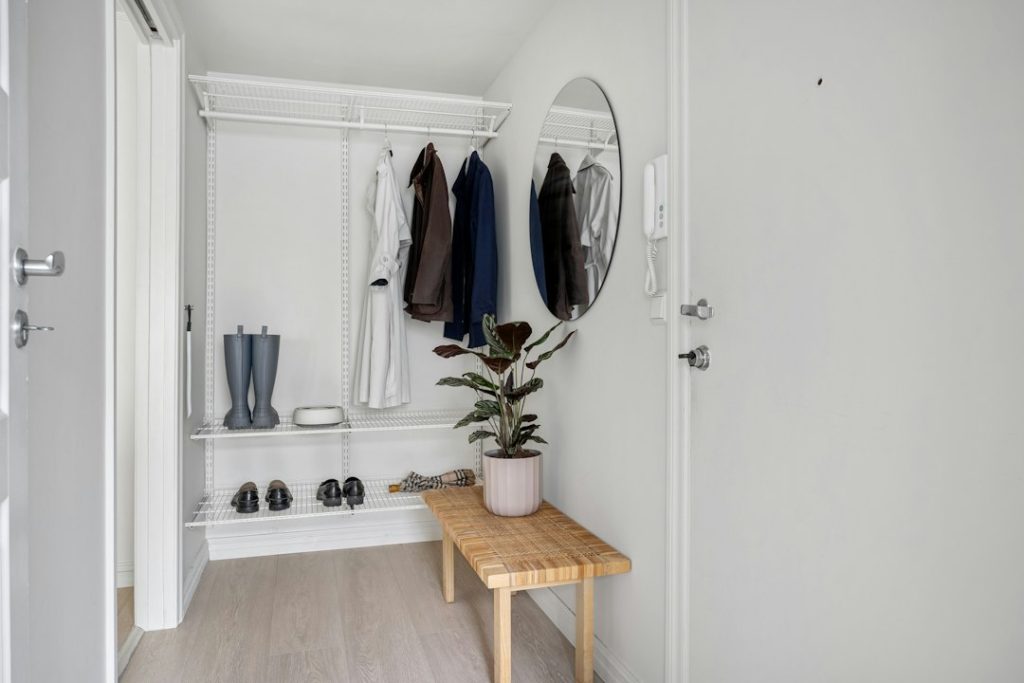
The closet is where organization pays back daily. Work in sections: shoes, hanging clothes, folded items, and seasonal storage.
- Visible edit: take out everything and only return items you wear regularly. If you didn’t wear it in a year, consider donating it.
- Group by function and color to speed decisions each morning.
- Match hangers for a uniform look and extra visual calm.
- Use labeled bins or clear boxes for off-season clothes and under-bed storage for bulky items you rarely need.
Adopt a simple linen and small-laundry rotation
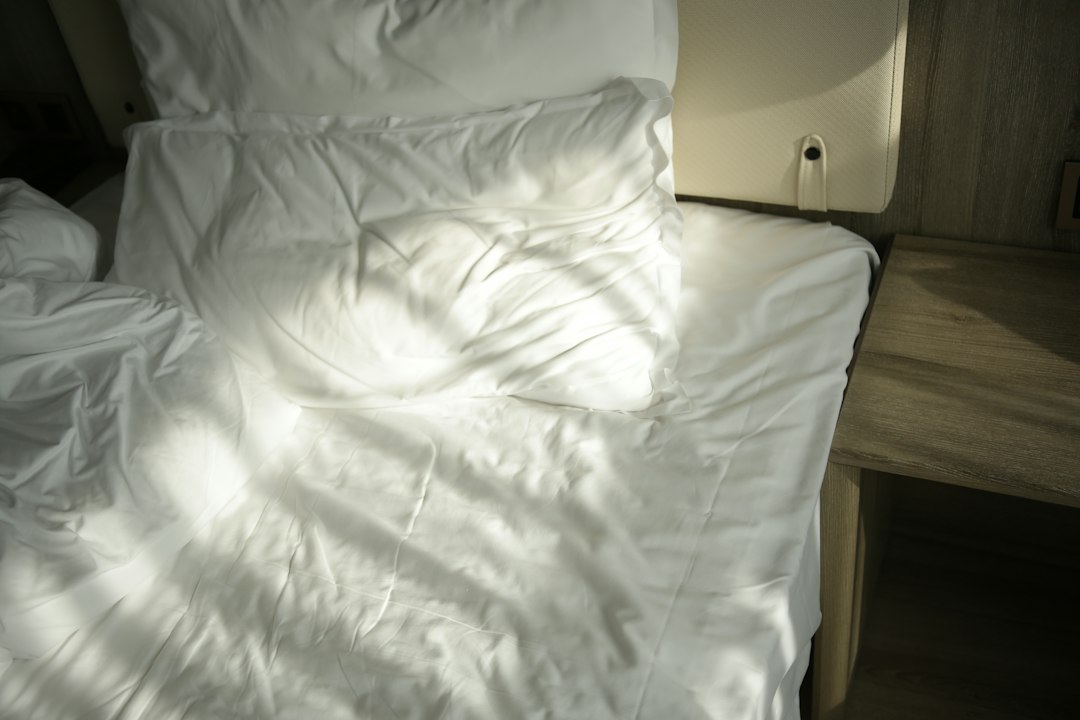
Fresh sheets and clear floors make the room feel cleaner immediately. Aim to wash sheets every one to two weeks; pillows and duvet covers every one to two months depending on use.
Keep a folded spare set of sheets in a top drawer or labeled shelf so changing the bed is quick. If you live alone or have limited washer access, a compact linen bin near the closet makes it easy to swap linens without searching.
Use small storage swaps that create big visual calm
Target small changes that reduce clutter’s visibility.
- Drawer organizers for socks, underwear and accessories reduce time spent searching and keep drawers neat.
- Under-bed storage bins (flat and labeled) are perfect for extra blankets, shoes, or off-season clothes and free up closet space.
- A narrow, tall dresser can replace multiple small surfaces that collect junk.
Use the product for corralling small items near the sink or dresser; in a bedroom it works well to store small accessories or as a catch-all on a shelf.
Make cleaning quick: a 10‑minute nightly tidy and a weekly reset
Consistency beats marathon cleaning. Adopt a 10‑minute nightly tidy: put away clothes, clear bedside and dresser surfaces, and straighten pillows. This small habit prevents clutter buildup.
Once a week, do a 30–40 minute reset: dust surfaces, vacuum or sweep, change sheets as needed, and wipe high-touch areas. Doing the deeper clean weekly keeps the room feeling fresh without consuming your weekend.
Style for calm: lighting, texture and limited decor
Small styling choices influence perceived cleanliness. Aim for fewer, higher-quality items rather than many small objects.
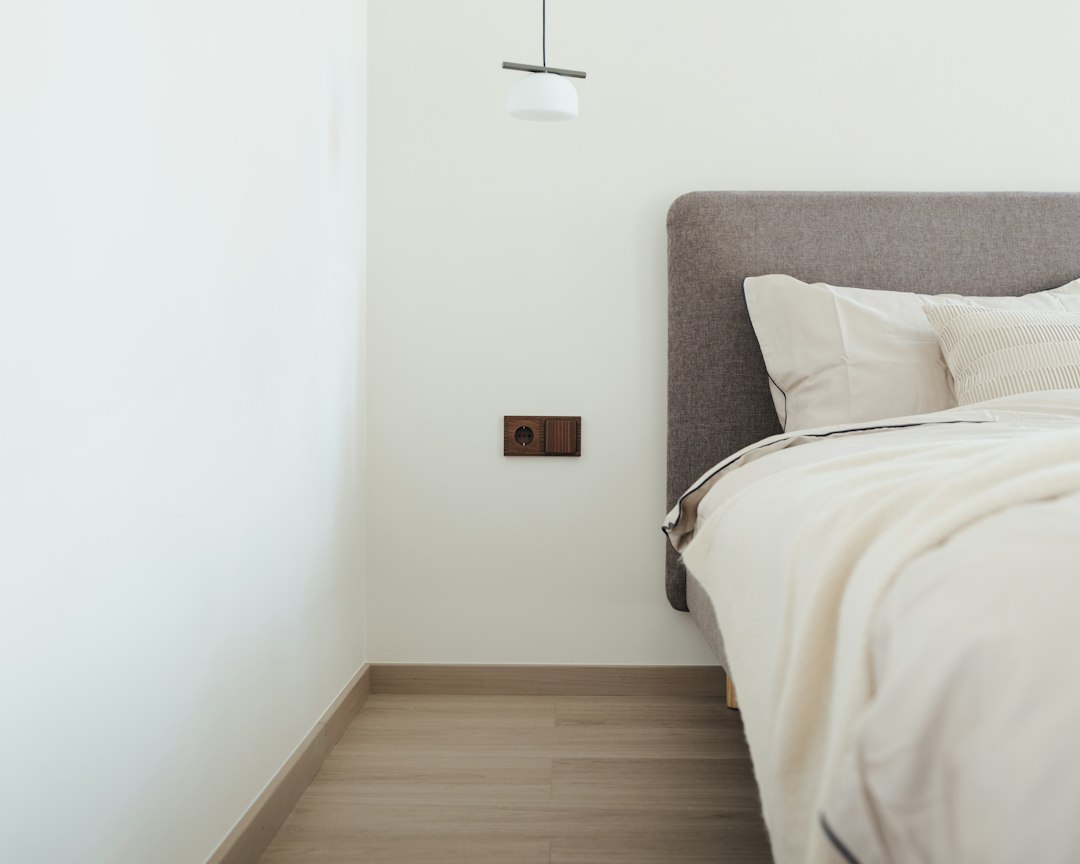
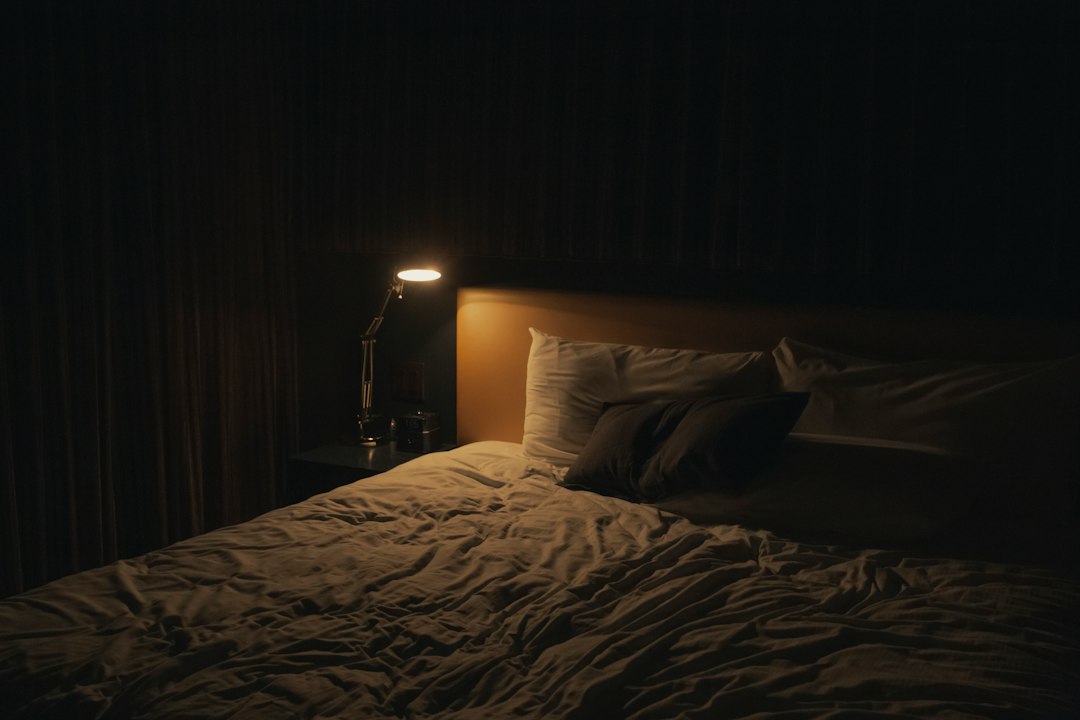
- Lighting: soft, layered lighting (bedside lamp + overhead dimmer or warm bulbs) reads as calming. Harsh, bright light makes every speck obvious.
- Colors and textiles: a cohesive palette and simple bedding reduce visual clutter. One patterned throw or cushion is enough.
- Greenery: a small plant on the windowsill or nightstand adds life without creating mess if you choose a low-maintenance variety.
Troubleshooting common roadblocks
If clutter creeps back in: check for too many “homes.” Reduce the number of surfaces where you allow things to land. If you find it hard to stay motivated, set a small reward for maintaining the nightly tidy for a week.
If storage feels limited: prioritize a few multipurpose pieces (a dresser that doubles as a nightstand, under-bed bins) rather than many single-use bins.
When you need extra help
If chronic clutter or decision fatigue is the issue, work in 15–30 minute bursts over several days rather than trying one giant purge. Invite a friend for a sorting session or book a short professional organizer consultation if you’re overwhelmed.
Small, repeatable actions produce the biggest change: one clear surface, one drawer organized, one weekly reset.
- Clear all surfaces: keep/relocate/discard in a 20–30 minute sweep.
- Assign a single home for nightly essentials (tray or caddy).
- Create a weekly cleaning block for dust, vacuum and linen changes.
- Declutter the closet and add uniform hangers or labeled bins.
- Add one storage swap (drawer organizer or under-bed bin).
- Commit to a 10‑minute nightly tidy.
Focus first on clearing visible clutter, then give each daily item a dedicated home. Combine small storage upgrades with a short nightly tidy and a weekly reset to keep your bedroom consistently cleaner, calmer and more organized.
How often should I change my sheets?
Wash sheets every 1–2 weeks for a cleaner-sleeping environment; pillowcases and duvet covers can follow the same rhythm depending on use.
What storage is best for small bedrooms?
Use vertical storage, under-bed bins, slim dressers and multifunction furniture to maximize space without adding visual clutter.
How long will this process take to make a difference?
You can notice a difference after one focused surface-clearing session and the first weekly reset; habits like the nightly tidy prevent regression.
Can I keep a calm bedroom with kids or pets?
Yes—set low-maintenance zones for toys or pet beds, use washable textiles, and keep most adult items in closed storage to limit visible clutter.
What are quick fixes for a messy-looking nightstand?
Remove everything, limit to two practical items (lamp and tray with essentials), and use a small drawer or baskets for extras.