

Most people think upgrades must be expensive — but small, targeted changes often help more. Here are 15 simple home upgrades that make everyday life easier, with practical choices, trade-offs and one recommended product for fast impact.
The single clear answer: focus on fixes that remove daily friction points (finding things, reacting to simple problems, and repetitive tasks). Below each upgrade I explain when it’s worth doing, quick installation or buying tips, and small variations so you can pick what fits your home.
1. Better entryway organization so leaving and arriving is painless
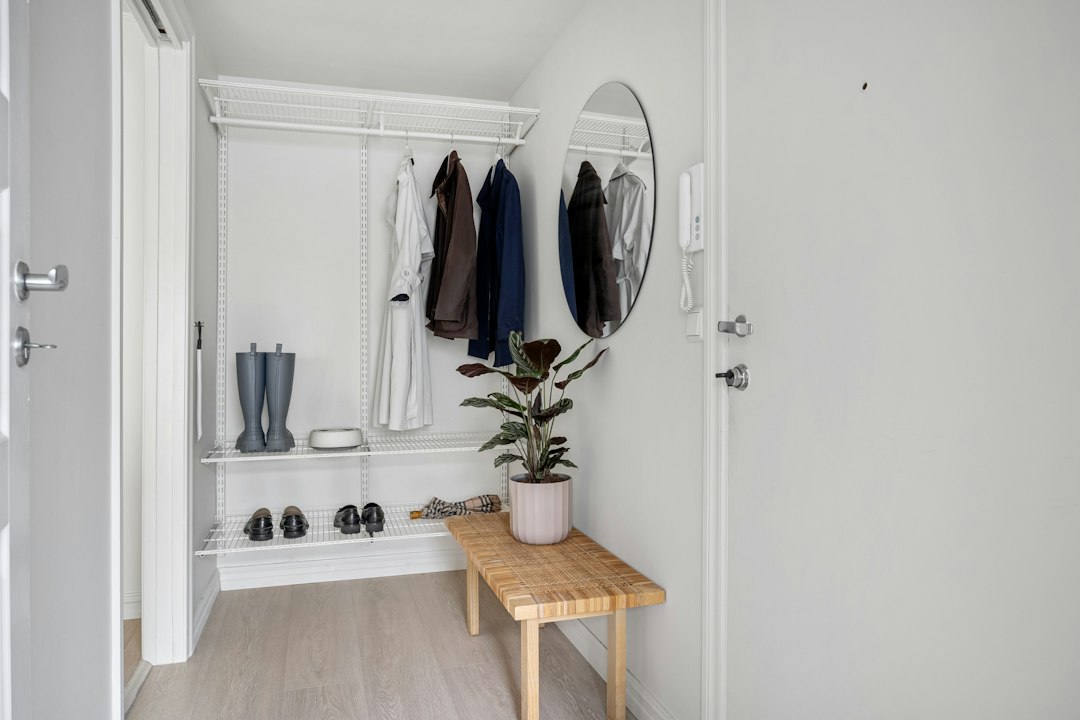
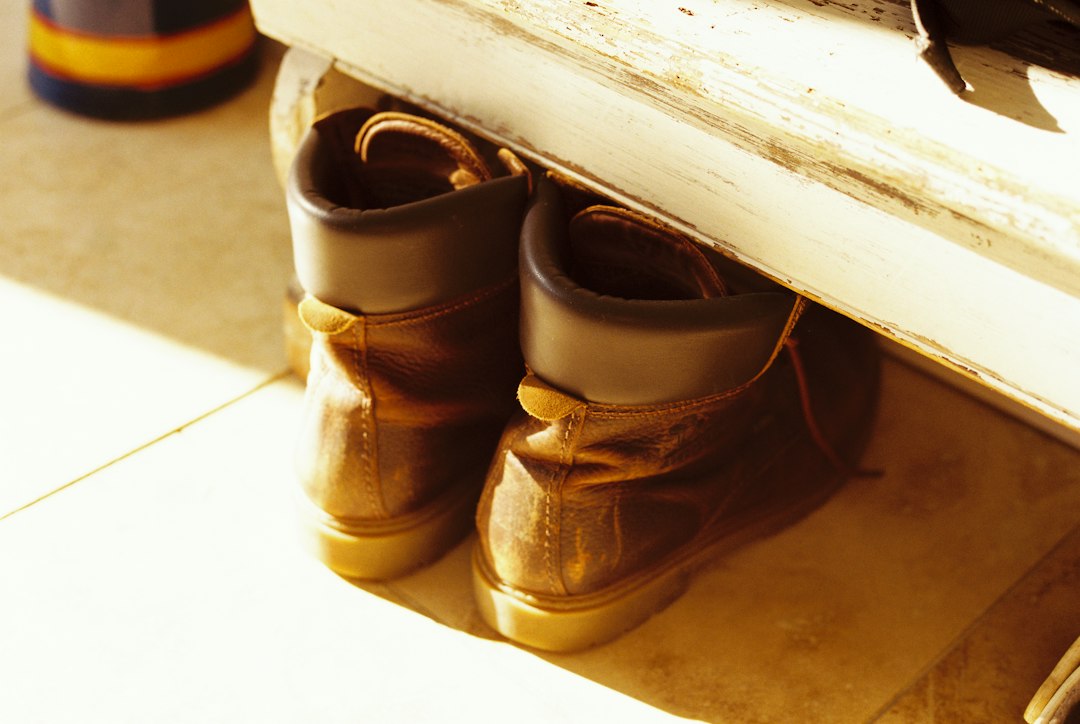
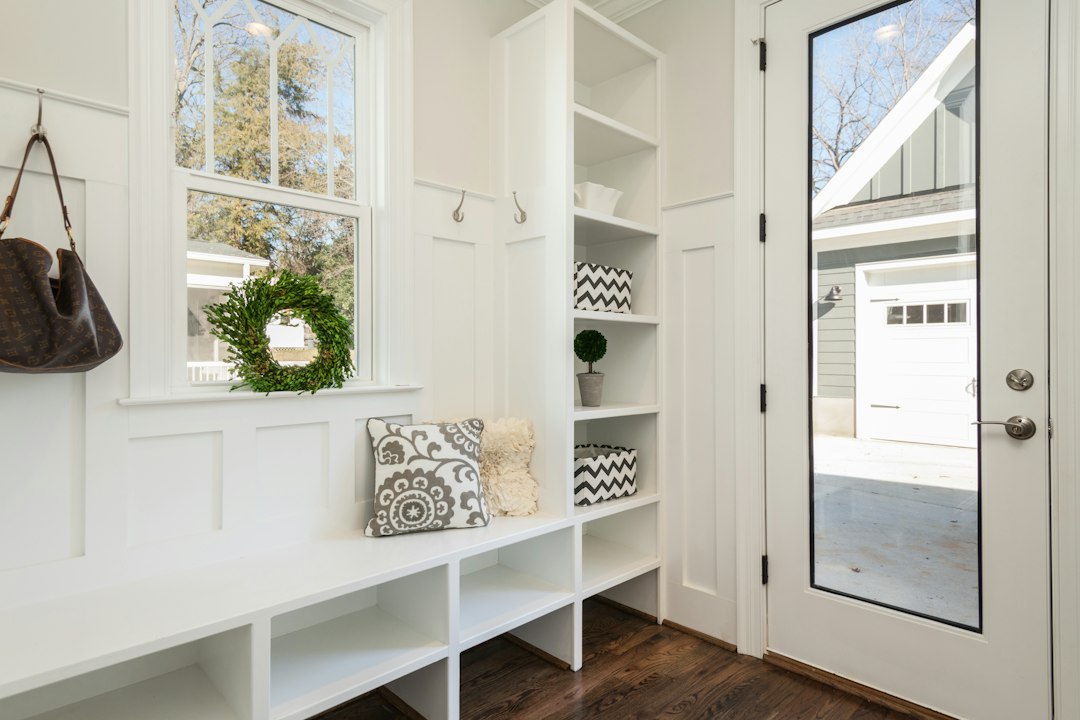
Install a bench with concealed shoe storage, a wall hook rail for coats, and a shallow tray or bowl for keys. The goal is a single, predictable landing zone where everything you need for the next outing lives. If space is tight, swap the bench for floating shelves and magnetic key hooks.
2. Motion-activated night lights in key paths
Place motion lights along hallways, stairs and the route from bedroom to bathroom. Battery-powered stick-on lights are cheap and fast; hardwired units require more work but look cleaner. Choose warm-temperature LEDs to avoid sleep disruption.
3. Pull-out organizers in kitchen cabinets
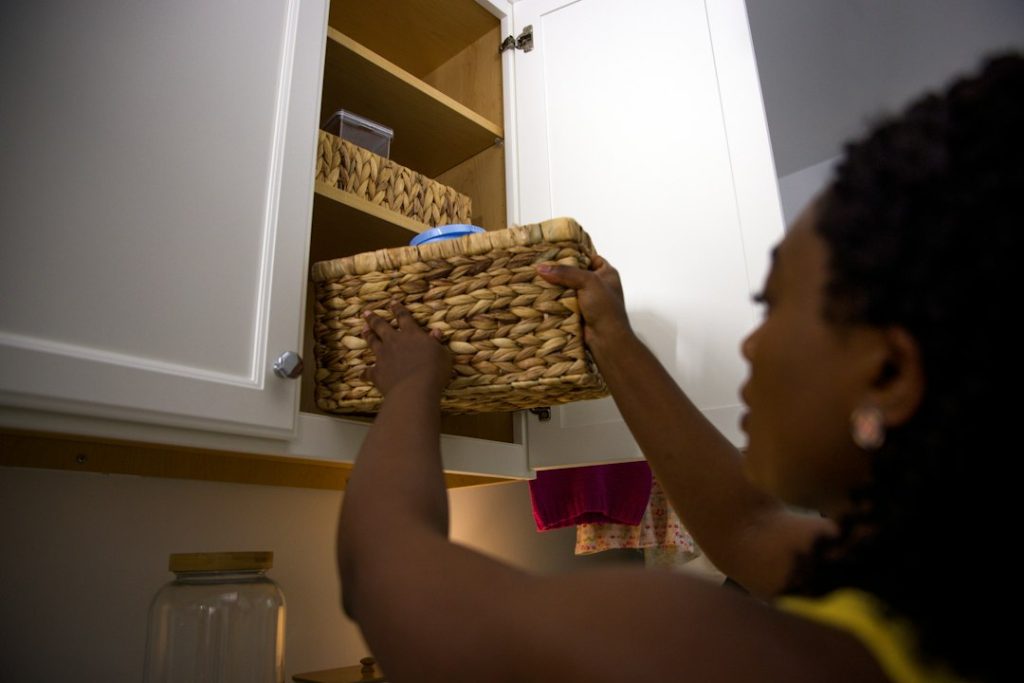
Pull-outs transform deep cabinets into usable drawers for pots, pans, and cleaning supplies. Measure cabinet depth and clearances before buying; many retrofit kits use existing slide hardware. These reduce bending and searching, speeding meal prep.
4. A labeled, slim recycling-and-trash station
A two- or three-bin pull-out near the sink consolidates waste sorting and keeps odors contained. Choose a model with removable internal buckets for easy emptying. If you compost, reserve one compartment or add a small counter caddy for scraps.
5. Install under-shelf or magnetic storage for small items
Magnetic knife strips, under-shelf spice racks, and adhesive hooks make use of wasted vertical and underside spaces. They’re inexpensive and reversible, ideal for renters who want more function without permanent changes.
6. Smart controls for the things you use every day
Start with one smart hub: a Wi‑Fi infrared remote can consolidate TV, AC and other IR devices so you stop juggling remotes. It’s especially useful if household members use different remotes or want voice control. Look for compatibility with your preferred smart ecosystem.
Why this product: a Tuya WiFi IR remote (Rank #1 in-store match) converts legacy devices to app or voice control, reducing small habitual tasks like finding the right remote or manually changing modes.
7. Smart water-leak detection in vulnerable spots
Place a water-leak sensor under washing machines, water heaters and near sump pumps. Early alerts prevent expensive damage; models with battery backup and app notifications are best. If your basement floods occasionally, pair sensors with an automatic shut-off valve or pump alert.
8. Add a durable mat or runner where mess starts
Entry mats that trap dirt and water at the door reduce cleaning time. In kitchens, a cushioned anti-fatigue mat near the sink speeds dishwork and protects the floor. Choose washable materials for easy maintenance.
9. Keyless or smarter locks for fewer lockouts
Install a keypad or smart lock to stop you from fumbling for keys when hands are full. For renters, look for models with simple latch-only installation. Consider battery life and mechanical key backup to avoid being locked out when batteries die.
10. A dedicated charging station for daily devices
Keep phones, tablets and watch chargers in one spot—ideally near where the household spends downtime. A simple multi-port USB charger or a small charging box hides cables and prevents overnight clutter. Label cords if multiple people charge here.
11. Under-sink leak containment and organization
Fit a pull-out tray or small waterproof bin under sinks to catch drips and contain spills, paired with stackable drawers for cleaners. This protects cabinet bottoms and makes it obvious if a pipe starts to leak.
12. Replace or add task lighting where you work
Bright, narrow-beam lighting over counters, desks and vanity areas reduces eyestrain and speeds tasks. Under-cabinet LED strips are inexpensive and simple to install; adjustable-angle desk lamps help at workstations.
13. Quick-access storage for everyday papers
Designate a slim wall-mounted file for bills, school forms and receipts near the entry or kitchen. Empty it weekly and you’ll spend far less time hunting paperwork. Use clear labels for each slot so everyone in the house knows where to look.
14. Easy fixes that cut daily cleaning
Swap high-maintenance fixtures for lower-effort ones: a pull-down kitchen faucet, a showerhead with an easy-clean finish, or a washable shower curtain. Small changes like these shave minutes off frequent tasks and reduce build-up that becomes a bigger chore.
15. Create one "command center" for routines and reminders
A small wall area with a calendar, a whiteboard for quick notes, and a pocket for permission slips or lunch money centralizes household communication. Position near the entry so it’s reviewed before everyone leaves.
How to choose which upgrades to do first
Pick upgrades that remove a daily annoyance you actually notice every week. If you regularly forget keys, focus on the entry and keyless options. If small leaks worry you, prioritize water sensors. Budget-friendly fixes like hooks and motion lights often offer the fastest ROI in time saved.
- Identify three daily tasks that feel repetitive or frustrating.
- Measure the spaces where you’ll install organizers or pull-outs.
- Decide wired vs. wireless for lights and smart devices based on aesthetics and budget.
- Pick one smart sensor (water or motion) for immediate protection.
- Schedule a 1–2 hour weekend to install the first upgrade.
Choose one friction point—entry clutter, leaks, or remote chaos—and apply a simple upgrade that directly eliminates it. Combine storage, task lighting and one smart device to make the most visible impact with minimal cost and effort.
How much should I budget for these upgrades?
Many of the suggested upgrades can be done for under $100 each (organizers, lights, sensors); a small smart lock or professional pull-out installation will cost more. Prioritize by impact rather than price.
Can I install smart devices without replacing existing fixtures?
Yes. Infrared Wi‑Fi remotes and battery-powered sensors work with existing devices and require minimal wiring.
Which upgrade protects the most from costly damage?
Water-leak sensors in basements, under washers, and near hot water tanks provide early alerts that can prevent major repair bills.
Are these upgrades suitable for renters?
Most are renter-friendly: adhesive hooks, magnetic strips, plug-in motion lights and battery sensors are reversible and non-destructive.
Where can I find more ideas for organizing specific rooms?
See our detailed guides like 12 Clever Storage Ideas for a Clutter-Free Home and How to Create a More Organized Home One Room at a Time.