

Start with a small truth: maintenance wins by frequency, not intensity
Cleaning habits matter because a five-minute action every day prevents an hour-long project on the weekend. The focus here is practical: choose simple, repeatable habits that interrupt messes early, reduce decision fatigue and free attention for one real deep clean each month. Below are 13 habits ordered roughly by how often you’ll do them during a typical week or day, with quick notes on when to skip or simplify.
1. Wipe high-use surfaces every morning
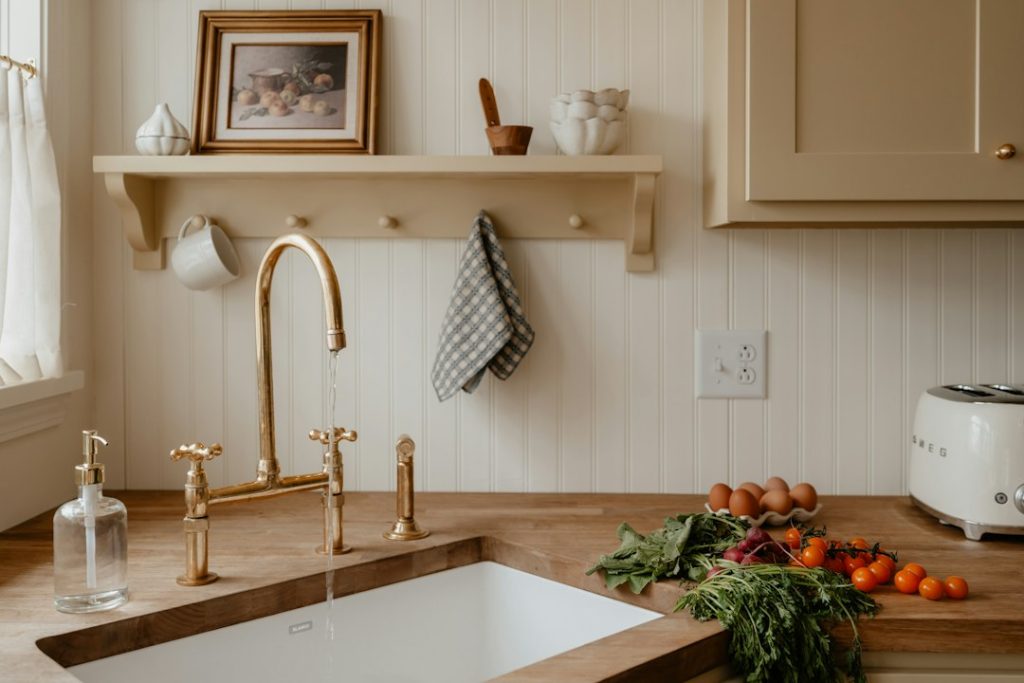
Spend 60–90 seconds wiping kitchen counters, the stovetop and bathroom sink when you make coffee or after brushing teeth. This removes crumbs, soap scum and sticky spots before they harden. Use a multipurpose spray and a microfiber cloth; no need for heavy-duty cleaners daily.
2. Empty one small hotspot daily
Identify one counter or chair that reliably collects mail, keys and shoes. Tackle it every evening for two minutes—sort mail, relocate keys, fold or hang clothes. Prevents clutter from migrating elsewhere.
3. Load or run the dishwasher nightly (or hand-wash a single-basin cycle)
Dirty dishes are the engine of kitchen chaos. Run the dishwasher when it’s three-quarters full or wash a single pot and plate immediately after use. This keeps the sink clear and reduces lingering odors.
4. Do a two-minute bathroom refresh after showering
Quickly squeegee or towel-dry wet surfaces, wipe the sink and put toiletries back. This minimizes mold and scale buildup and makes weekly scrubs faster. A small squeegee in the shower is a good low-effort investment.
[hierarchy break—place inline photo later]
5. Run a short floor touch-up most days
Hard floors benefit more from frequent light cleans than occasional deep vacuums. A 10–15 minute sweep or a short robot vacuum cycle picks up daily grit and pet hair so weekly deep cleans focus on edges and upholstery. If you have pets, prioritize this habit.
6. Sort one small load of laundry every other day
Doing a tiny load keeps baskets from overflowing and removes the pressure to do marathon laundry sessions. Fold and stow immediately when the cycle finishes to stop clean clothes from becoming clutter.
7. Make the bed right away
A made bed changes how a room looks immediately and reduces wrinkles that attract dust. This habit takes less than a minute and makes bedrooms feel cared for, even if other tasks are pending.
8. Adopt the “put it away before you sit” rule
If you’re going to sit—at the table, couch or desk—return what you’re holding to its home first. This breaks the loop of “I’ll just set it down” and keeps living areas visibly neater with almost no extra time spent.
9. Keep a cleaning caddy for quick spot jobs
Store a compact caddy with spray, microfiber cloths, a small brush and disinfectant wipes near where you clean most (kitchen or laundry room). Being able to grab everything in one go removes friction and makes 2–5 minute tasks more likely to happen.

10. Practice nightly 10-minute resets for shared spaces
Before bed, spend ten minutes returning items to their rooms, fluffing cushions, and sorting stray dishes. Use a timer. Everyone in the household picks a zone and does a quick pass—this is the single most effective evening habit for reducing weekend chores.
11. Contain mess at the entry
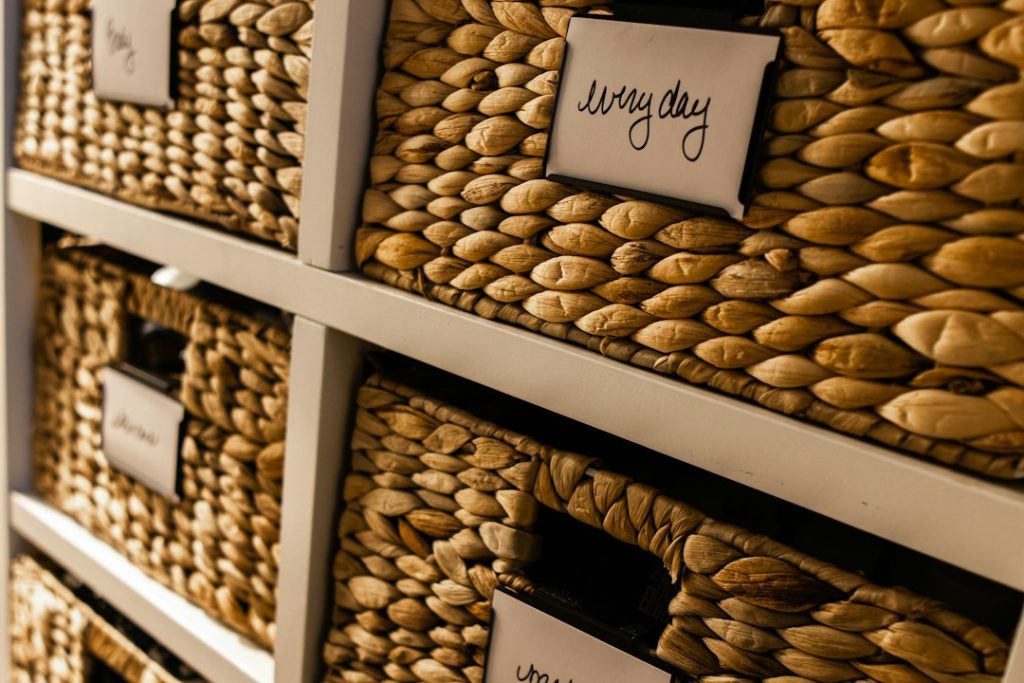
Create a simple entry station: a mat, shoe tray, basket for mail and hooks for bags. Encourage shoes off at the door. This prevents outdoor dirt from spreading and concentrates brief sorting tasks to one area.
12. Deal with spills immediately, not later
A spill wiped up on contact is often invisible five minutes later; left alone it stains, attracts pests or requires stronger cleaners. Keep paper towels or reusable cloths handy where spills are most likely (kitchen, dining, kids’ area).
13. Use the right tool for recurring tasks
Small purchases can shrink recurring effort: a compact robot vacuum for daily crumbs, a microfiber mop for quick wet-clean passes, or a magnetic glass cleaner for high shower doors. These tools don’t replace periodic deep cleans but make the daily habits far easier to keep.
One recommended gadget when floors are a daily problem
If daily floor touch-ups are a pain because of kids or pets, a compact, reliable robot vacuum is a practical choice—set it to run on a short schedule and it removes the friction of sweeping every day.
When to simplify rather than add another habit
Pick three habits you can maintain consistently—more is pointless if you soon abandon them. If a habit feels like "one more chore," tweak the frequency (e.g., every other day) or combine it with an existing routine (wipe counters while the kettle boils).
Putting these habits into a realistic weekly flow
Daily: wipe surfaces, run short floor touch-up, empty hotspot, make the bed, dishes.
Every other day: small laundry load.
Weekly: one longer vacuum, change bedding, deep-clean bathroom surfaces.
Monthly: fridge clear-out, baseboard/vent dusting, a longer declutter session for one area.
- Choose and commit to three daily habits you can actually keep.
- Place a small cleaning caddy where you use it most.
- Set a robot vacuum schedule or 10-minute nightly reset alarm.
- Create an entryway station for shoes and mail.
- Do a monthly calendar reminder for deep-clean tasks.
Small, consistent habits prevent most messes from becoming big chores. Pick a few short actions tied to daily activities, use simple tools to remove friction, and you’ll spend far less time on weekend cleanups.
Which three habits should I start with?
Begin with wiping high-use surfaces each morning, running a short floor touch-up most days, and a nightly 10-minute reset for shared spaces; those cut the majority of buildup.
How long before these habits pay off?
You’ll notice less visible clutter and faster weekend cleans within two weeks; the full routine’s time savings becomes obvious after a month.
Is a robot vacuum worth it?
For homes with hard floors or pets, yes—a scheduled robot vacuum can remove daily debris and cut deep-clean frequency, making daily maintenance easier.
How do I keep habits when roommates aren’t cooperative?
Make responsibilities visible: a shared checklist, short time windows (10 minutes), and simple stations for common tasks help reduce resistance and passivity.
Can these habits replace deep cleaning?
No—regular habits minimize dirt and delay heavy buildup, but plan a monthly or quarterly deep-clean for things like vents, oven interior and upholstery.