

Start with the result: a kitchen that looks and feels clean—fast, and without missed spots
What matters when you "clean kitchen faster" is not speed alone but a reliable sequence that removes the things guests notice first (crumbs, streaks, sticky handles) and the things that cause problems later (grease build-up, mold in the sink drain, hidden crumbs). You can safely ignore perfect polishing of every appliance and deep drawer scrubbing on quick cleans—save those for planned deep-clean sessions.
Set up a 20–30 minute quick-clean station
Gather tools in one place before you start so you won’t stop mid-task. You only need a few items for a proper quick clean:
- Microfiber cloths (2–3) and one scrub sponge
- All-purpose spray and a degreaser (or one combined cleaner)
- Dish soap and a sink brush
- Trash bag and a small box for items that don’t belong
Place the station near the sink or on a clear counter. With tools prepped you'll move steadily instead of backtracking.
Work top-to-bottom and dry-to-wet: the fastest order that misses least
This order minimizes re-contamination and keeps the mess moving toward disposal:
- Declutter visible surfaces—put dishes in the sink or dishwasher, toss trash, and collect stray items into the “belongs elsewhere” box.
- Dust and sweep dry debris from counters and table (a quick sweep or wipe into your hand is fine).
- Wipe high surfaces and fridge top if reachable (crumbs fall down, not up).
- Clean stovetop and front of appliances where grease and splatters are visible.
- Tackle the sink last: wash dishes, scrub the basin, and rinse thoroughly—this catches any crumbs you dislodged earlier.
How to clean each important area quickly and thoroughly
Counters and backsplashes (3–6 minutes)
Clear the surface, spray with all-purpose cleaner, and let dwell 30 seconds. Wipe with a microfiber cloth using straight strokes rather than circles to remove streaks. For sticky spots or visible grease on the backsplash, use a degreaser and a scrub sponge, then finish with a dry microfiber pass so streaks don’t show.
Stovetop and range hood (4–8 minutes)
Remove burner grates or trivets if necessary. Spray degreaser and let it work while you move to another task (this parallel work saves time). Come back with a scrub sponge for burned-on bits, then wipe with a damp cloth and dry. Don’t forget control knobs and the hood—greasy finger marks are noticeable and often missed.
Sink, faucet and drain (3–7 minutes)
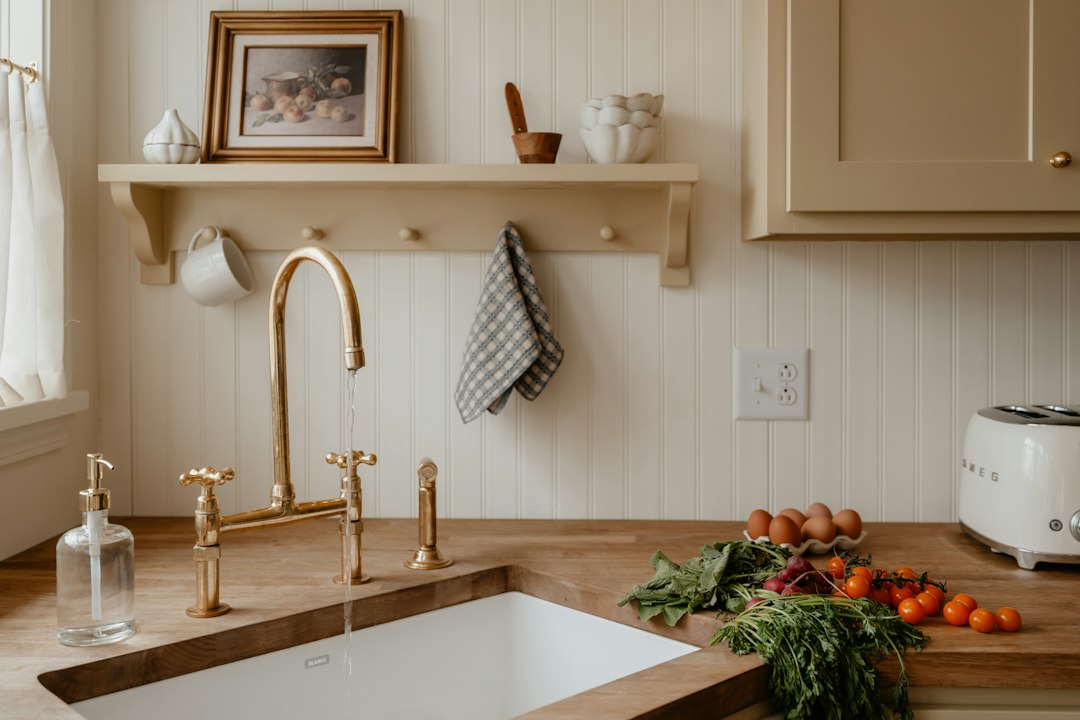
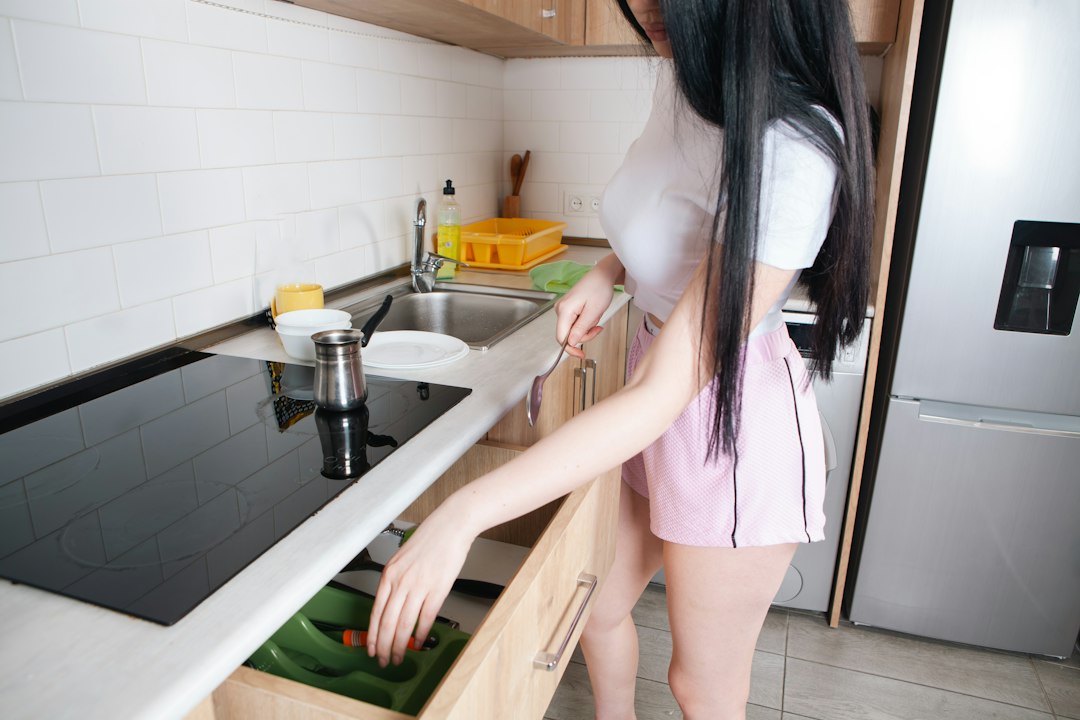
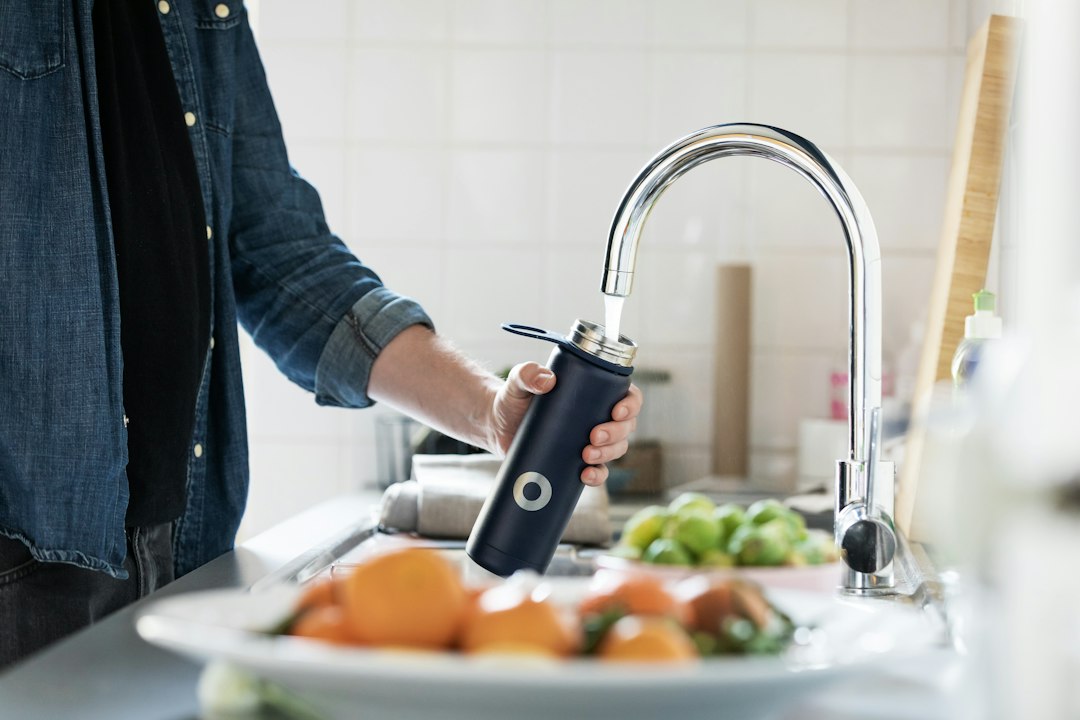
Wash or load dishes first. Scrub the basin with dish soap and a brush, paying attention to the drain lip and faucet base where grime collects. Run hot water to rinse; finish by wiping the faucet and handles with a disinfecting wipe or spray and a dry cloth to prevent water spots.
Cabinet fronts, handles and light switches (2–4 minutes)
These high-touch areas spread germs and are easily seen. Wipe handles and switch plates with a disinfecting cloth. For sticky cabinet faces, spray and let sit briefly before wiping to avoid smearing.
Floor (3–6 minutes)
Sweep or use a hand vacuum to remove crumbs, then do a targeted sticky-spot mop where spills occurred. Save a full mopping for a weekly deep clean; a quick spot-mop of problem areas keeps the floor presentable.
Use parallel tasks to cut time without risking missed spots
Let cleaners soak while you do other items. Example: spray the stove and backsplash, then wipe counters and cabinet fronts; return to scrub the stove after the degreaser loosened grime. This small workflow change shaves minutes and improves results.
One product that speeds every quick clean
For most kitchens, a combination of good scrub sponges and microfiber cloths is the highest ROI—fast action, low fuss. A recommended option from our shop is a soft, absorbent sponge that handles dishes and quick scrubbing without scratching:
Use the sponge for stovetop scrubbing and the microfiber for polishing and drying; together they reduce the need for repeat passes.
Troubleshooting common speed-clean problems
My counters still look streaky
Solution: switch to a clean microfiber and dry in straight passes. Avoid using too much cleaner—less is usually better for streak-free surfaces.
Grease keeps coming back on the hood and backsplash
Use a specific degreaser and let it sit longer (2–5 minutes) before scrubbing. For persistent grime, a second short pass with a scouring side sponge usually finishes the job.
I miss crumbs on the floor every time
Work from the farthest point toward the exit/door so crumbs are swept out of the room. Finish with a quick hand-vac or runner broom at the doorway.
- Gather cleaning station: microfiber cloths, sponge, cleaner, trash bag.
- Declutter surfaces and load dishwasher or sink.
- Spray greasy areas first, then wipe counters and cabinet fronts.
- Scrub stovetop and sink after cleaners have soaked briefly.
- Sweep or vacuum floors, spot-mop visible spills.
- Wipe high-touch handles and light switches last.
Cleaning your kitchen faster comes down to the right sequence: declutter, let cleaners soak, and work top-to-bottom and dry-to-wet. Keep a small, consistent kit of sponges and microfiber cloths handy to avoid interruptions and missed spots.
How often should I do a quick kitchen clean?
For most households, a daily quick clean (10–30 minutes) keeps messes from escalating; deep cleans can be scheduled weekly or monthly depending on use.
Can I skip wiping cabinet fronts on quick cleans?
Skip only if they are visibly clean; cabinet fronts and handles are high-visibility areas and worth a quick wipe to avoid a neglected look.
What tool prevents having to re-clean surfaces?
Clean microfiber cloths prevent streaks and pick up more grease and dust than general rags; use a fresh one for final drying to avoid redistribution.
Should I use disinfectant daily?
Use disinfectant on high-touch areas (handles, switches) daily during illness or high-risk periods; otherwise weekly is usually sufficient combined with regular cleaning.