

Start here: you can reclaim usable space and cook comfortably without adding cabinets
To organize a small kitchen without adding more cabinets, focus first on decluttering, then move to vertical uses, inside-cabinet systems, drawer optimization and countertop triage. These changes free existing cabinet volume, open work surfaces and make daily routines faster—often with inexpensive organizers rather than construction.
1. Define functional zones and remove what doesn't belong
Begin by mapping how you actually use the kitchen: prep, cooking, baking, beverages, and cleanup. Pull everything out of one zone at a time (a drawer, a cabinet, or the countertop). Keep only items you use at least monthly in the kitchen; move specialty equipment or infrequently used servingware to a closet or storage elsewhere.
As you decide, ask: do I use this more than once a month? Is there a smaller, multi-purpose tool that can replace it? Donate, relocate, or recycle items that fail the test.
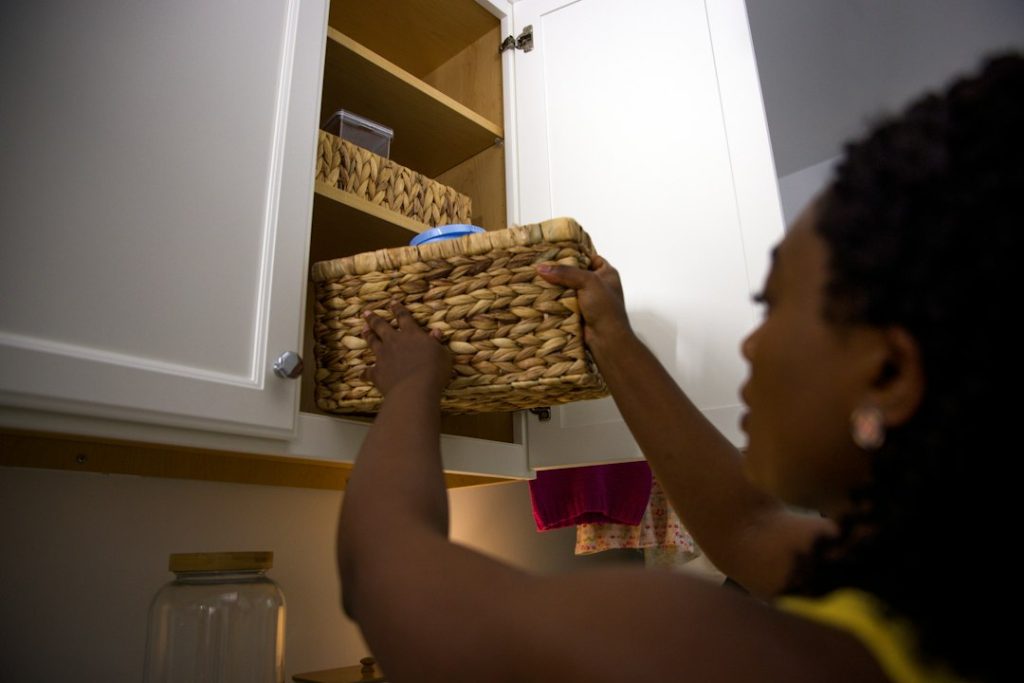
2. Reclaim cabinet volume with simple inside-cabinet systems
Empty cabinets often hide wasted vertical and dead corner space. Add these targeted fixes:
- Tiered shelf risers for plates or mugs to double usable levels.
- Under-shelf hooks to hang measuring cups, mugs or small pans.
- Pull-out baskets or sliding trays to access the back of lower cabinets—especially useful for pots or food storage containers.
- Lazy Susans or corner turntables for spices and condiments so nothing gets buried.
Product suggestion: a rotating tray turntable is a quick pantry win for spices and small bottles.
3. Use vertical walls and doors to expand storage without appliances or cabinets
Kitchen walls, the backs of cabinet doors and the sides of the fridge are free real estate.
- Install a magnetic knife strip to free drawer space and reduce clutter on counters.
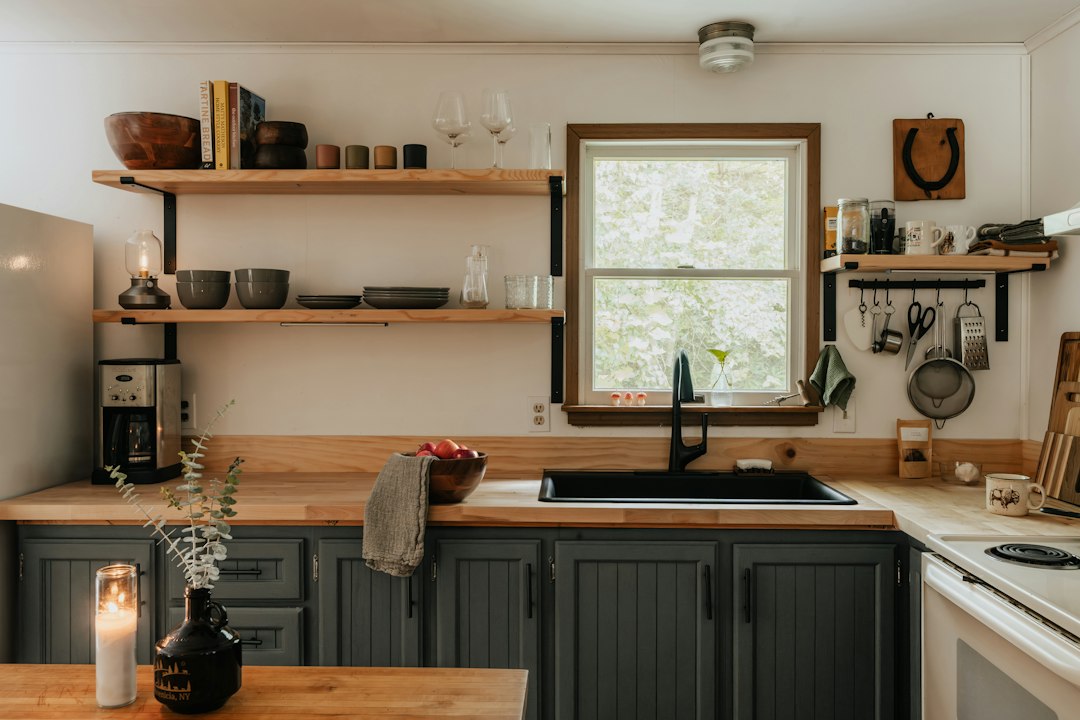
- Add a pegboard or metal rail with hooks to store frequently used utensils and pots in plain view—this speeds cooking and eliminates duplicated items.
- On cabinet doors, mount slim racks for cutting boards, wraps, or cleaning supplies; inside doors are perfect for small, flat items.
- Use the fridge side for a spice rail, mail basket, or a chalkboard for meal plans.
4. Make drawers work harder with inserts and a clear hierarchy
Drawers should match function and frequency. Convert one drawer to utensils and prep tools, another to frequently used gadgets, and reserve a deep drawer for pots and lids using vertical dividers.
- Use adjustable organizers so a drawer for utensils can hold odd-shaped tools without jamming.
- Stack separator trays for food storage lids and containers; keep lids upright on a plate rack-style divider.
- Keep rarely used appliances off the countertop and in a high cabinet or pantry.
5. Trim countertop clutter and create a small “work triangle”
Counter space is prime. Keep only the items you use every day—coffee maker or a toaster—on the counter. Everything else should live in a nearby cabinet or on a shelf.
If you lack space for all daily-use items, choose one that saves the most time (for many, it's the coffee machine) and store smaller ones in a single accessible basket that slides out for use.
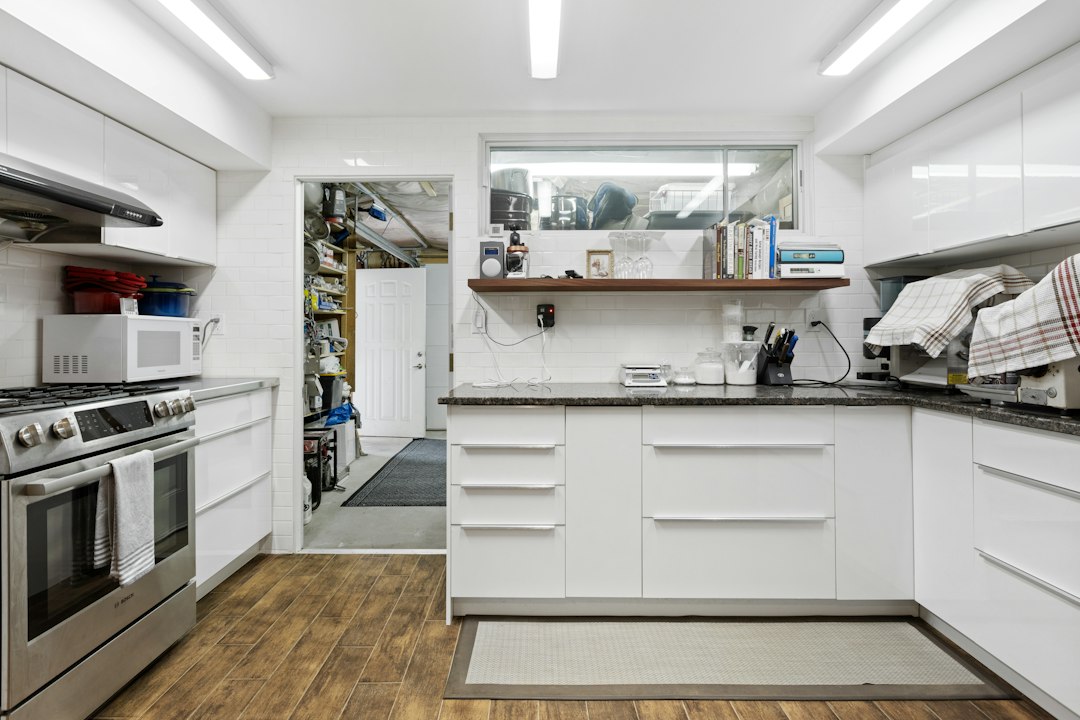
6. Optimize the sink and under-sink area for cleaning supplies and recycling
The under-sink cabinet can become a chaotic catch-all. Use pull-out bins for recycling and trash, and stackable clear bins for bottles and sponges. A small tension rod or adhesive-mounted caddy keeps spray bottles upright and frees the base space.
If plumbing limits drawer installation, choose slim vertical organizers that fit beside the P-trap.
7. Use clear, stackable containers and labeling to reduce waste and visual clutter
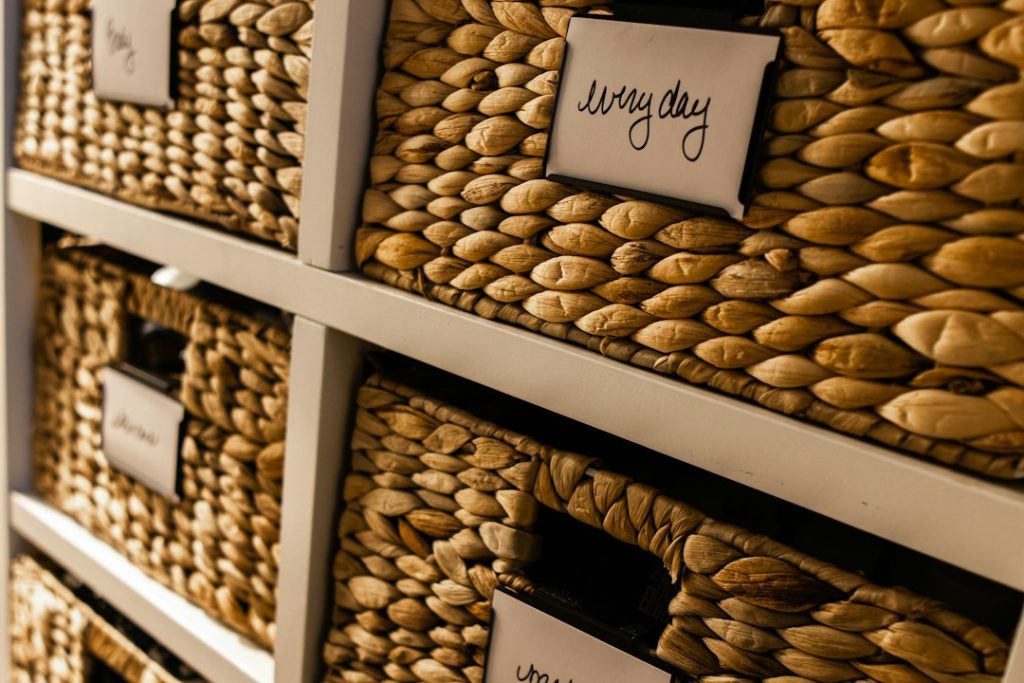
Replace mismatched food storage with a small set of stackable, clear containers for staples like flour, sugar, rice and pasta. Clear containers make it easier to see quantities and reduce duplicate purchases; label lids with content and date.
8. Adopt a weekly reset and rotate seasonally
Spend 10–15 minutes each week returning items to their zones and wiping surfaces. Every three months, reassess seasonal tools: holiday bakeware, outdoor grilling gear, and bulk storage. Moving off-season items to a higher shelf or a closet frees immediate kitchen space.
Troubleshooting common small-kitchen problems
- Too many small appliances: create a "one-per-task" rule—keep the best coffee maker, blender and toaster, and donate duplicates.
- Cabinet doors won’t close after adding organizers: remove clutter first, then choose lower-profile organizers or adjust hinge positioning where possible.
- Limited wall space for hanging storage: use over-the-door racks or magnetic containers on the refrigerator.
Where to invest for the biggest wins
Spend money where it substitutes for square footage: pull-out trays, a good spice turntable, drawer organizers, and a magnetic knife strip. These products pay back daily by saving time and preventing duplicate purchases.
Helpful related guides
For more compact strategies, see 15 Easy Kitchen Organization Ideas That Actually Save Space and broader home tips at 15 Clever Home Organization Tips for Busy Households.
- Empty one cabinet or drawer and remove items you don't use monthly.
- Add at least one inside-cabinet organizer (riser, turntable or pull-out tray).
- Free one countertop by relocating an appliance to a cabinet or shelf.
- Install one vertical solution: magnetic knife strip, peg rail, or over-door rack.
- Label and consolidate pantry staples into 3–6 clear stackable containers.
Organizing a small kitchen without extra cabinets is mostly about decisions: remove what you don't use, make existing storage more accessible, and use vertical and inside-cabinet solutions to multiply space. Small investments in the right organizers deliver outsized daily benefits.
Can I make a small kitchen feel larger without remodeling?
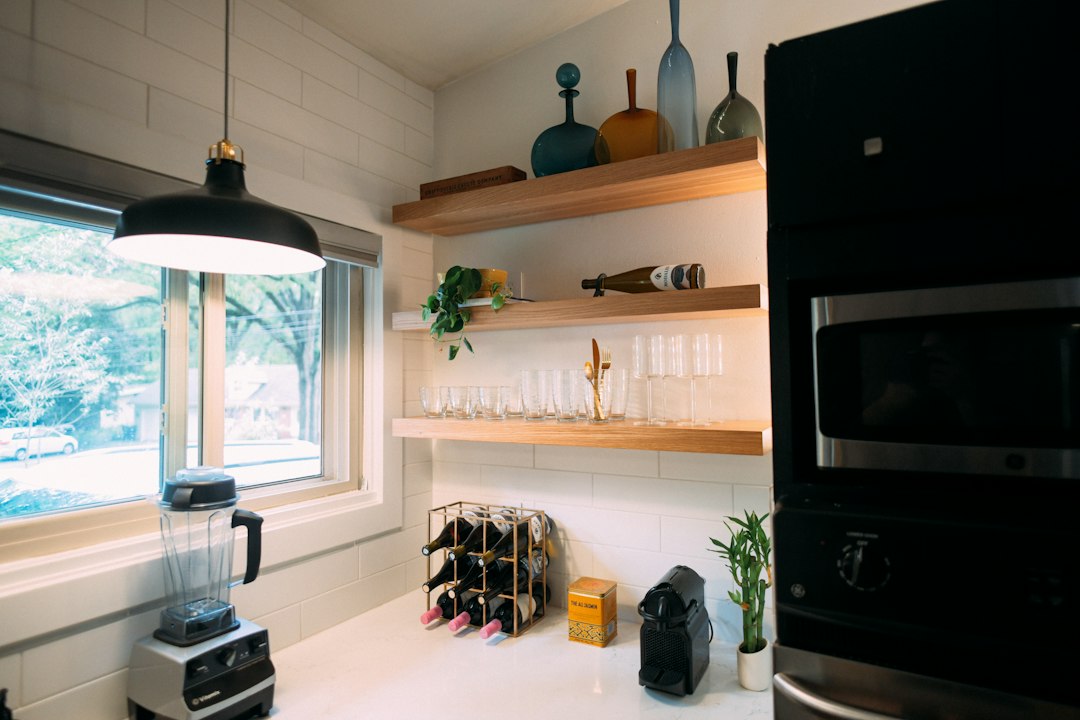
Yes—clearing countertops, using consistent storage containers, and opening sightlines with open shelving or fewer visual clutter items make the space feel larger and work better.
What’s the best organizer for tight cabinets?
Pull-out trays or sliding baskets are ideal because they let you access the back of lower cabinets without crawling under counters.
How do I store pots and lids in a tiny kitchen?
Use a deep drawer with vertical lid dividers or an inside-cabinet pot rack; hanging pots on a small ceiling or wall rack can free significant cabinet space.
Are magnetic strips and pegboards secure for heavy items?
Magnetic strips are safe for knives and metal tools; pegboards can hold pans and utensils if anchored into studs or with strong wall anchors and appropriate hooks.
How often should I reassess what belongs in my kitchen?
Do a quick edit every three months and a brief weekly reset; seasonal rotation for rarely used items reduces clutter buildup.