

Quick observation from the kitchen
If you reach for a pan and it’s buried under a stack of heavy lids, you don’t need a whole new cabinet—you need a system that matches how you cook. Organizing pots, pans and lids is less about neatness and more about reducing friction: faster access, safer handling, and less wear on your best cookware.
Short answer: build a hybrid system that suits your space and habits
The simplest reliable approach to organizing pots and pans is a hybrid: nest similar cookware to save space, store frequently used pieces where you can grab them without moving heavy stacks, and keep lids separate—either vertically or on a dedicated rack. This minimizes lifting, protects finishes, and makes meal prep faster.
Decide by asking three practical questions
- How often do you use each item? (Daily, weekly, rarely)
- Can your cabinets take vertical solutions or pull-outs?
- Are you protecting expensive nonstick or enameled cookware that scuffs easily?
How to store cookware by frequency and weight
Place everyday pans (skillets, a medium sauté pan, one small pot) in the most accessible spot—lowest shelf or a pull-out drawer. Less-used stockpots and roasting pans belong higher up. Heavy cast iron or Dutch ovens should be stored low to avoid lifting injuries.
Best ways to store lids so they stop being a nuisance
Lids are the common culprit. Don’t leave them stacked on the pot if you grab lids separately during cooking.
- Vertical lid holders: Fit inside a cabinet door or on a narrow shelf. They keep lids visible and stable.
- Pull-out lid racks: Ideal in deeper cabinets so lids slide out with the shelf.
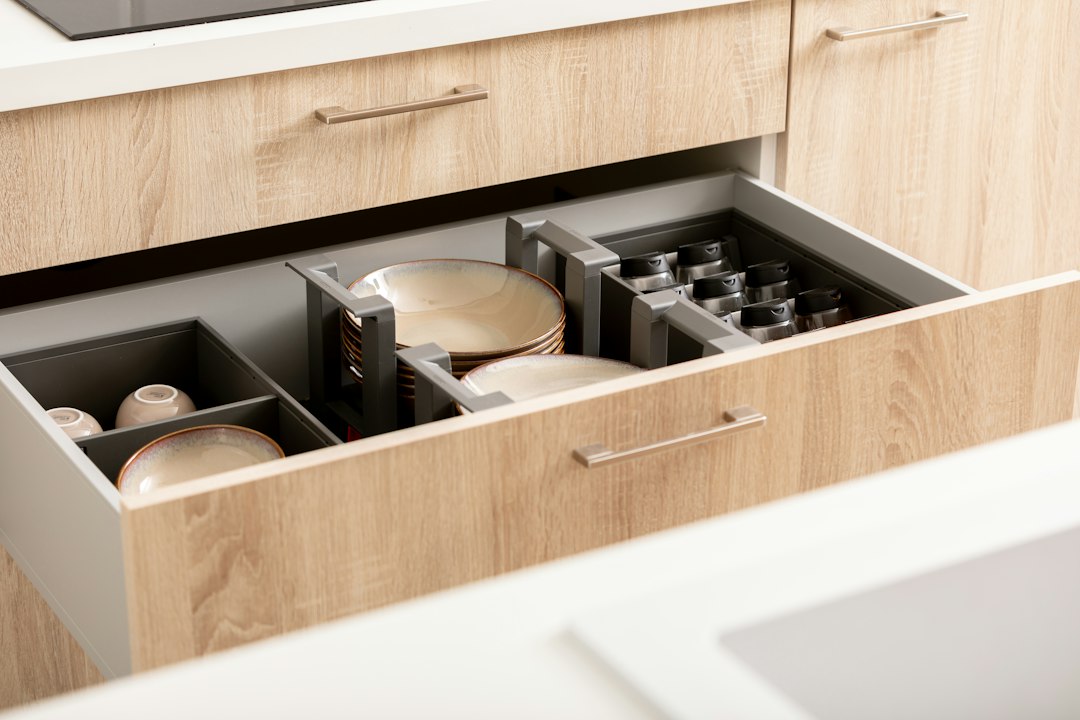
- Drawer inserts: A shallow drawer with slots works well for flat lids and keeps handles accessible.
- Wall-mounted rails: If cabinet space is tight, a rail or pegboard on the wall can hold lids above the stove.
When to nest vs. when to use dividers
Nesting (stacking) saves space but increases wear and makes single-item access harder. Use nesting for identical-material pans or when you add soft protectors (felt or silicone) between pieces. Use dividers—vertical storage—for mixed sizes, frequently accessed pans, or cookware with delicate surfaces. Vertical storage turns each pan into a “slot” you slide in and out.
Drawer vs. shelf vs. wall: picking the location
- Deep drawers: Best for large pans and lids because you can pull everything forward. Use felt protectors to prevent scratching.
- Lower cabinets with pull-outs: Great compromise—keeps weight low and improves visibility.
- Open shelving or wall racks: Works if you want cookware on display and use pieces daily. Avoid for heavy items you’d rather not lift high.
Small kitchen strategies that actually work
- Limit duplicate sizes—keep one 10" skillet and one 12" skillet unless you cook for a crowd.
- Use a single dedicated space for lids (inside the cabinet door or a slim vertical slot) so they don’t drift across the counter.
- Hang inexpensive hooks inside a lower cabinet to hold lids by their handles—simple and cheap.
Protect finishes and extend cookware life
Hard stacking can chip enamel and scratch nonstick surfaces. Where possible, place a soft liner, silicone mat, or cloth between nested pieces. For cast iron, avoid stacking wet pieces and season them before storage to prevent rust.
One practical product that solves a common problem
If lids regularly jam your cabinet and you need a single, flexible fix, a pull-out lid and pan organizer can be the quickest win—especially in deep cabinets where seeing and reaching items is hard.
How to arrange a cabinet step-by-step (quick scan)
- Empty the cabinet and sort items into keep, donate, and store elsewhere piles.
- Group by use: daily skillets, saucepans, stockpots, baking sheets.
- Put the most-used items in the most accessible spot (low shelf or drawer).
- Choose lid storage: vertical rack on the door or a pull-out slot inside the cabinet.
- Add dividers or a pull-out organizer for mixed items; use liners between nested pieces.
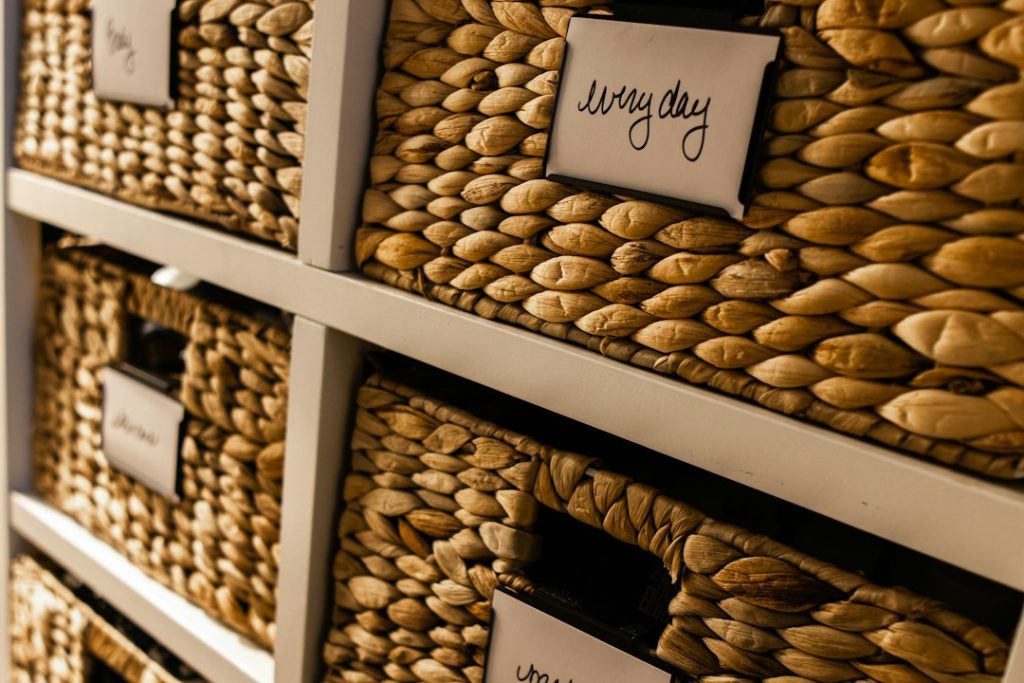
- Label shelves or designate “zone” names (everyday, baking, rarely) to keep the system consistent.
Small decisions that change daily use
Choosing vertical storage costs more up front but saves time every use; nesting maximizes space but costs minutes when you unpack. If you cook several meals a week, invest in one pull-out or divider system. If you rarely use specialty pans, store them higher or elsewhere.
Maintenance and a quick seasonal refresh
Every three months, quickly audit: remove cookware you didn’t use, check for chips or rust, and re-liner nested stacks. This low-effort refresh prevents clutter creep and keeps the system aligned with your cooking habits.
- Sort cookware by frequency of use before you buy organizers.
- Place heavy items on low shelves or drawers.
- Store lids vertically or on a pull-out rack for visibility.
- Add dividers or felt protectors for delicate or nested pans.
- Reserve wall or open shelves only for daily-use pieces.
The best system balances access, protection and space: keep everyday pans where you can grab them, separate lids for easy retrieval, and use dividers or pull-outs when nesting slows you down. Small investments—one pull-out or divider—pay back every time you cook.
Can I store cast iron with stainless steel pans?
It’s possible but avoid direct contact—cast iron can scratch other finishes and rust; use separators or store cast iron separately on a low shelf.
Are pegboards a good option for lids?
Pegboards work well if you have wall space and use lids frequently; make sure pegs are sturdy and lids hang at a comfortable height.
How do I keep nonstick pans from scratching when stacked?
Place a soft cloth or silicone pad between pans and nest only pans of the same diameter when possible.
Is it worth installing pull-out organizers?
Yes for deep or low cabinets: pull-outs reduce bending and make contents visible, which saves time and reduces accidents.
What’s the best place to store baking sheets and roasting pans?
Store them vertically in a narrow slot or divider so you can slide one out without disturbing the others.