

Quick answer: focus on one room, clear decision rules, and simple storage you’ll actually use
You’ll get an organized home faster if you treat each room as its own project: set a clear finish goal for that room, sort everything with “keep/relocate/donate/trash” rules, install only the storage you will use daily, and adopt a short weekly reset. This approach reduces overwhelm and creates durable habits.
Start with the end in mind: define what “organized” looks like for each room
Before you sort, imagine how you want the room to function. For example:
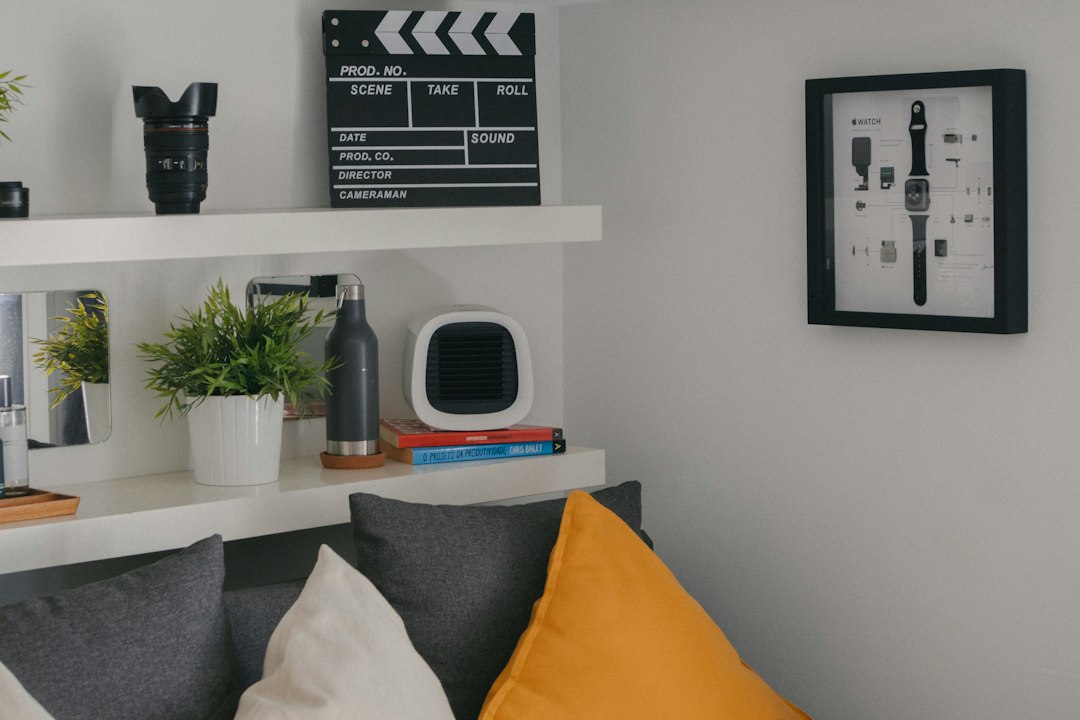
- Living room: easy path to the sofa, surface clear for guests, one place for remotes and chargers.
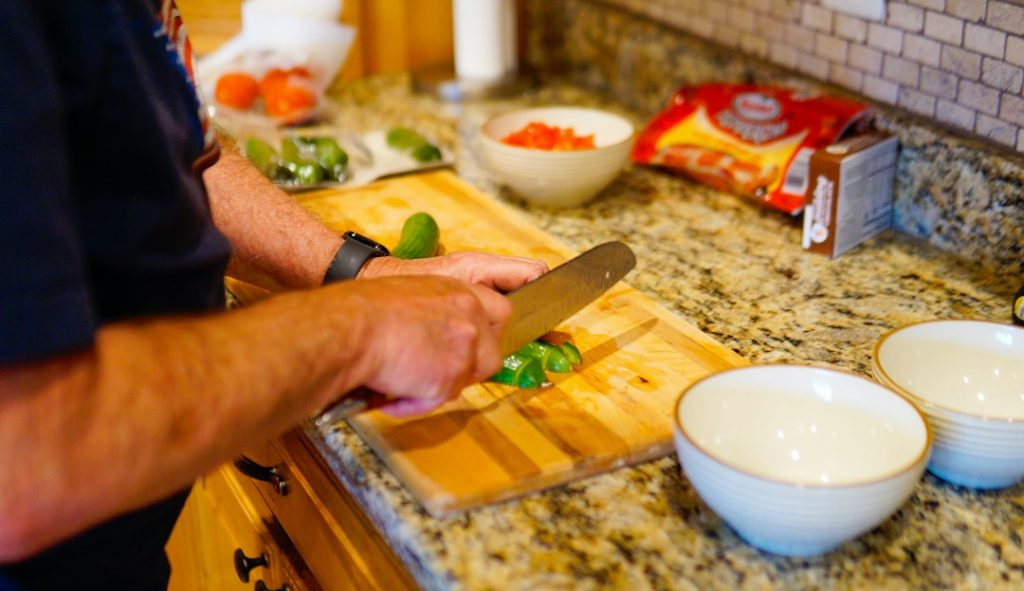
- Kitchen: counters clear of non-cooking items, daily-use utensils visible, recycling and compost spots labeled.
- Bedroom: clothes separated for season, a landing zone for nightly essentials, under-bed free of random boxes.
Write a one-sentence finish goal on a sticky note and keep it visible while you work. It’s your quick quality check: if an item doesn’t support that goal, it leaves the room or moves to a more suitable place.
Room-by-room process you can follow in a weekend
Each room follows the same four-phase method. Work in this order to avoid rehandling items.
1. Clear surfaces and create work zones
Remove everything from flat surfaces: counters, tabletops, dressers. Create three temporary piles in the room: Keep, Relocate, and Don’t-Keep (donate/trash). For “Keep”, also mark frequent-use items you’ll return immediately to their spots.
2. Sort fast, decide faster
- Touch each item once. Ask: have I used this in 12 months? If yes, keep; if no and not sentimental, donate.
- For ambiguous items, use a 30-day box: label and store it in the garage or closet. If you don’t retrieve it in 30 days, donate.
- Relocate items that belong in another room immediately—this keeps momentum.
3. Install the minimum effective storage
Choose storage to match the item and frequency of use. Preferences:
- Everyday items: open trays, countertop jars, or a shallow bowl near the entry to avoid piles.
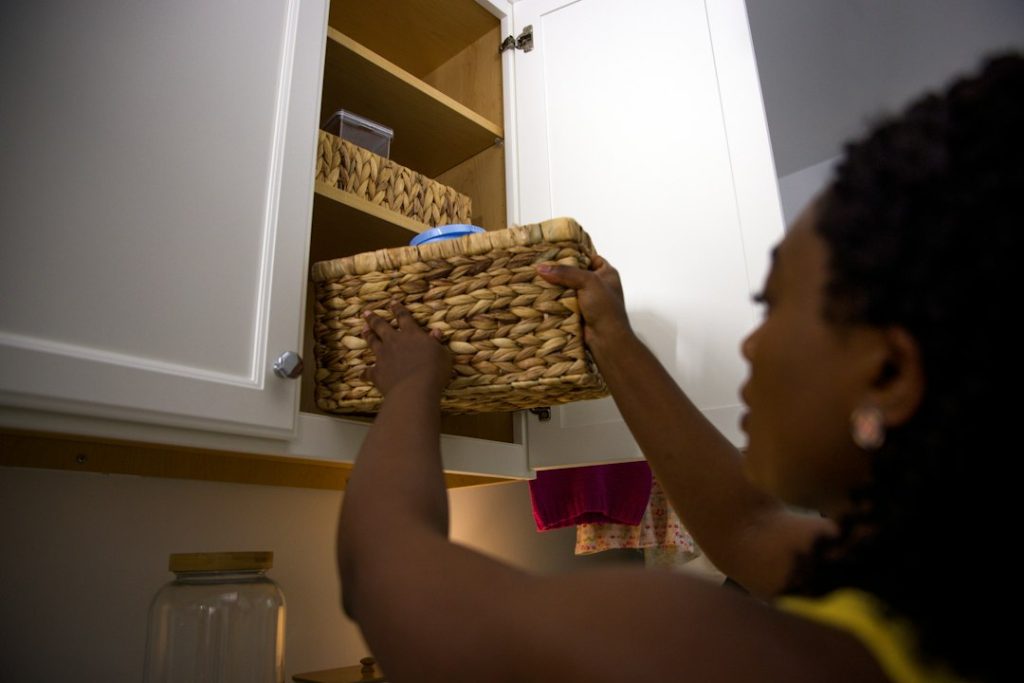
- Infrequent items: labeled bins or opaque boxes on higher shelves.
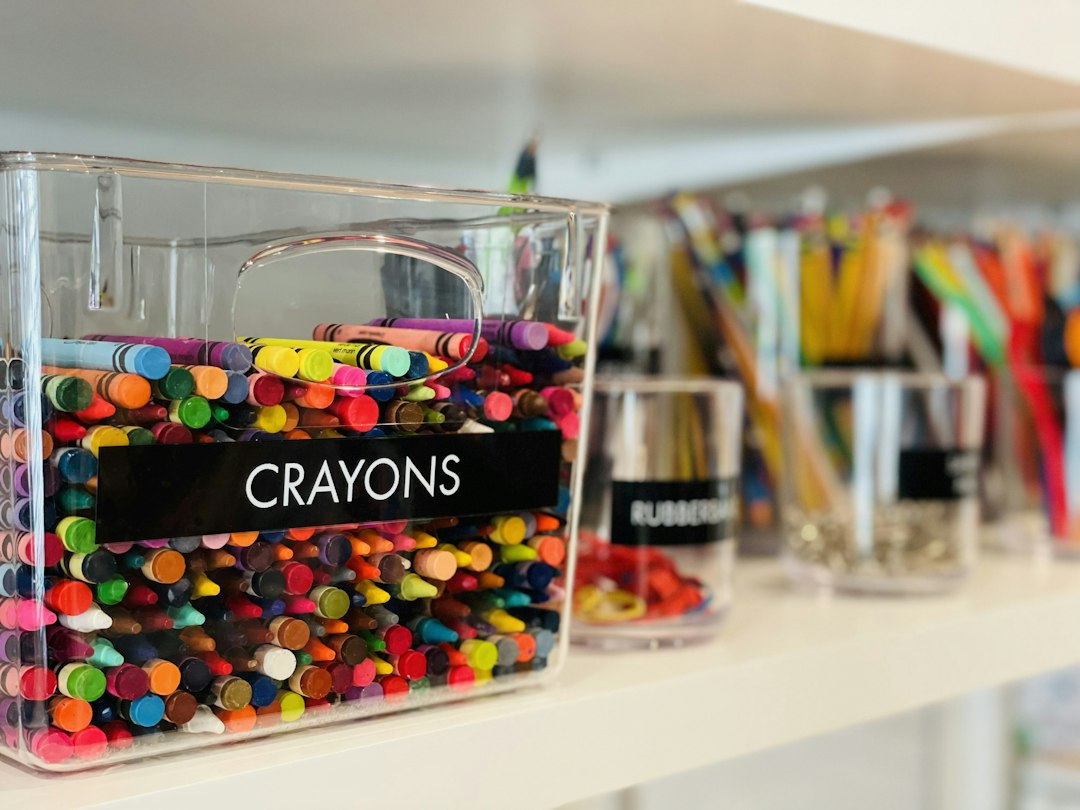
- Small loose items: drawer dividers or acrylic trays to keep visibility.
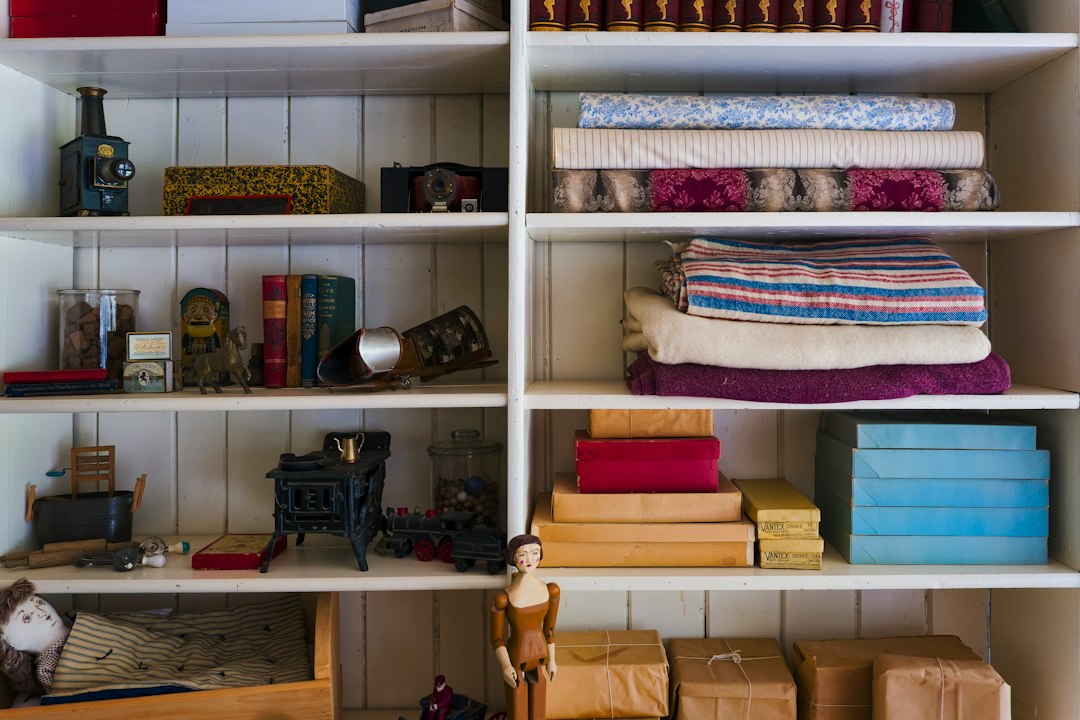
Product pick for a quick win: a foldable fabric storage box is versatile for closet and shelf use and collapses when not needed.
4. Put things away with logic and labels
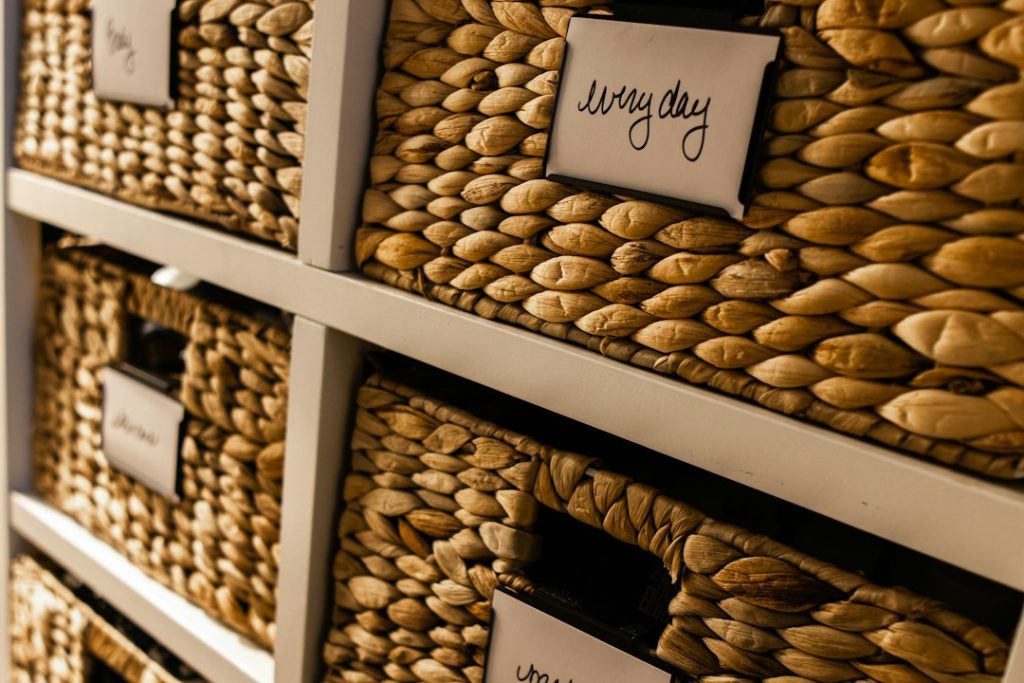
Place items where you use them. Group like with like: charging station with cables, baking tools with flour and measuring cups, pet supplies in one bin. Use simple labels—handwritten tag or label maker—to reduce “where does this go?” pauses.
Practical order for tackling rooms (start with the ones that boost momentum)
Choose rooms in this sequence to get the biggest psychological and functional returns quickly:
- Entryway or mudroom — immediate, visible impact on daily routines.
- Kitchen — visible surfaces and meal flow affect whole household.
- Living room — common area that benefits from a tidy reset.
- Bedroom and closet — personal comfort and sleep quality improve fast.
- Bathroom — small area; clear medicine counters and streamline toiletries.
- Home office / utility spaces — finish with these since they often need extra sorting time.
Maintenance: a simple weekly habit and a monthly reset
Make upkeep manageable with two short routines:
- Weekly 15-minute reset: pick one time (Sunday evening) to empty catchalls, clear counters, and return misplaced items to their new homes.
- Monthly 30–60 minute reset: check the 30-day box, tidy high-use drawers, and re-evaluate any storage that isn’t working.
Troubleshooting: what to do when progress stalls
Common stalls and quick fixes:
- Too many decisions at once — set a timer for 30 minutes and commit to sorting only one drawer or one shelf.
- Family members don’t follow the system — make the new places obvious: open baskets and labeled hooks are easier to use than hidden bins.
- Storage gets messy again — swap a container for a more visible option (clear bins, open trays) so items are seen and returned.
Room-specific quick tips that actually work
- Entryway: add a slim shoe rack and a wall hook cluster; keep a donation bag here for shoes or coats that don’t fit.
- Kitchen: create three counter zones—prep, cooking, and landing (for mail/keys)—and keep non-kitchen items out of the landing zone.
- Bedroom closet: use uniform hangers and fold seasonal items into labeled fabric boxes on upper shelves.
- Bathroom: keep only daily products on the counter; store extras in a single basket under the sink labeled with contents.
- Home office: an acrylic book stand and a small drawer tray keep papers upright and pens accessible without visual clutter.
When to buy more storage (and when to resist)
Buy only after you’ve sorted. New bins can hide clutter, not fix it. Invest when:
- You’ve completed the keep/relocate/donate sort for that room.
- You have a specific item type and location (e.g., socks in a drawer) and need a matching organizer.
- Visibility or access is the problem—choose clear/mesh options or shallow trays.
- Define a one-sentence finish goal for the room.
- Empty flat surfaces and sort into keep/relocate/donate/trash.
- Use a 30-day box for uncertain items.
- Install minimum effective storage and label it.
- Schedule a recurring 15-minute weekly reset.
Tackle one room with a clear finish goal, sort quickly using firm rules, add only the storage you need, and protect the result with a short weekly reset. Start with entryway or kitchen for the fastest reward.
How long does it take to organize a room?
A single small room can take 1–3 hours; larger rooms or closets may take a half to full day depending on how much sorting is needed.
What should I keep in a 30-day box?
Items you’re unsure about—gadgets, excess duplicate tools, or sentimental pieces you rarely use. If you don’t retrieve them in 30 days, donate.
How many storage boxes are too many?
Only as many as you have clearly defined contents for. Excess unlabeled boxes usually mean you haven’t finished sorting.
Can I organize if I live with roommates or kids?
Yes—use obvious, labeled homes for shared items and create short visual rules (e.g., baskets for each person) to reduce disputes.
Where should I start if I’m overwhelmed?
Start at the entryway or one kitchen counter—small visible wins build momentum and make it easier to move on to bigger spaces.