

Quick answer: a functional, clutter-free under-sink setup is a clear everyday zone plus sorted storage on pull-outs, with a small leak-safe area and a hanging caddy for sponges — do the purge, measure, and fit modular organizers around the pipes.
Organize under the kitchen sink so you can reach what you need in one glance, keep hazardous liquids separated, and avoid wasting space around plumbing. Below is a practical order: clear out, plan zones, choose organizers, install, and maintain. Follow these steps and adapt dimensions and containers to your cabinet’s pipes and depth.
1. Empty, inspect and decide what stays
Pull everything out and set items into three piles: daily-use (dish soap, sponge, hand soap), occasional (oven cleaner, bleach, extra rags), and toss/relocate (old spray bottles, empty containers). Wipe the cabinet floor and check for stains or soft wood that might indicate leaks. If you find active leaks, stop and fix plumbing before organizing.
2. Measure and map usable space
Measure interior width, depth and the distance from floor to the bottom of the sink. Note the location and size of the drain pipe and garbage disposal; these determine clearance and where vertical dividers or a small raised shelf can sit. Draw a simple sketch with measurements — it avoids buying organizers that don't fit.
3. Create three specific zones
- Everyday zone (front-left or front-right): items you grab daily — dish soap, hand soap, sponge. Keep these accessible and visible.
- Cleaning supply zone (back or one side): larger bottles and sprays grouped upright; use a shallow pull-out or bin so you don’t have to stoop and dig.
- Leak-safe / hazardous zone (corner or separate bin): store corrosive cleaners (bleach, drain opener) in a lidded plastic tub to contain spills and keep them away from children and pets.
4. Choose organizers that fit your cabinet and habits
Focus on pull-out solutions and contained bins rather than loose bottles. Pull-outs give visibility and access; small caddies make swapping supplies easy. Here are reliable choices and when to use them:
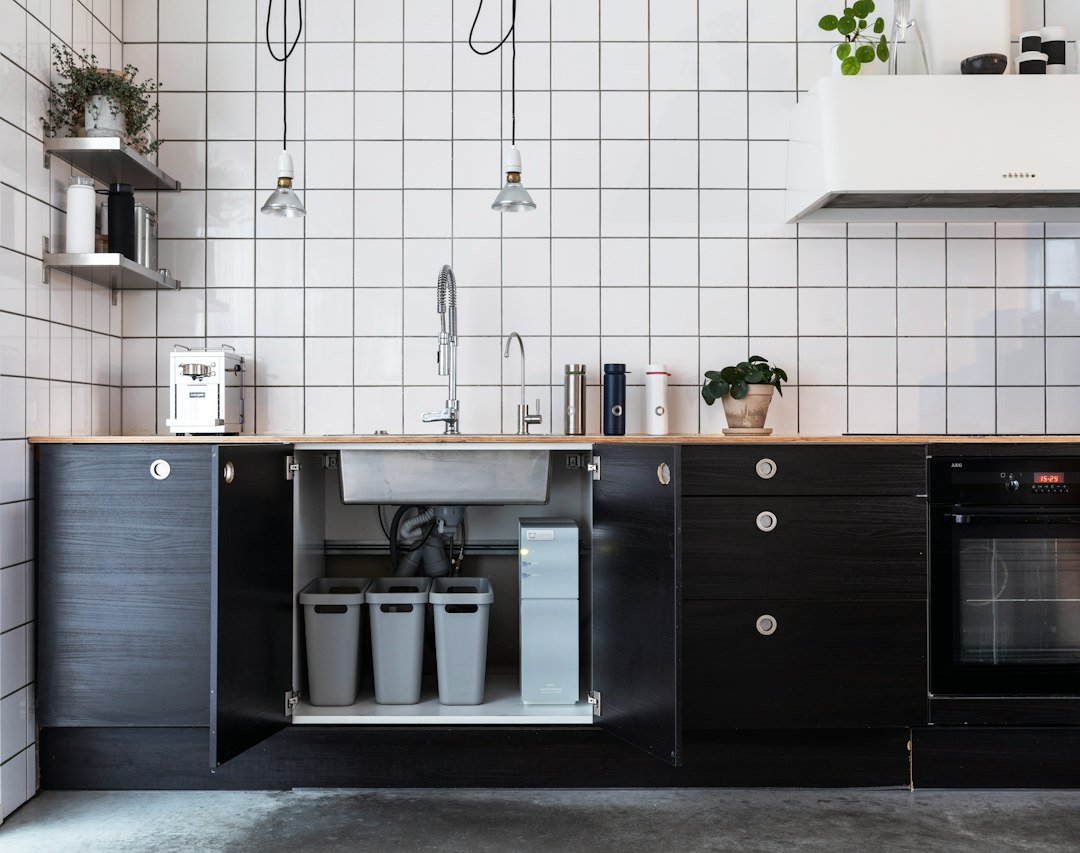
- Shallow wire or plastic pull-out baskets on low-friction tracks — best for bottles and sprays in deeper cabinets.
- Stackable clear bins — good for maximizing vertical space where pipe clearance allows.
- Hanging faucet caddy or over-the-shelf sponge holder — keeps the sponge and soap out of the main cabinet so daily items don’t get wet or sticky.
- Small lidded plastic tub for toxic liquids — places under-demand chemicals together and contains leaks.
For many kitchens, a hanging drain basket or adjustable sink holder (Product ID 455) solves the everyday zone by suspending soap and sponge over the sink or at the cabinet edge. Use it if you want to remove wet items from the cabinet interior and keep them handy while washing.
5. Install step-by-step for a tidy, leak-aware layout
- Place the leak-safe tub where it won't tip (back corner). Put labels on hazardous bottles and close caps tight.
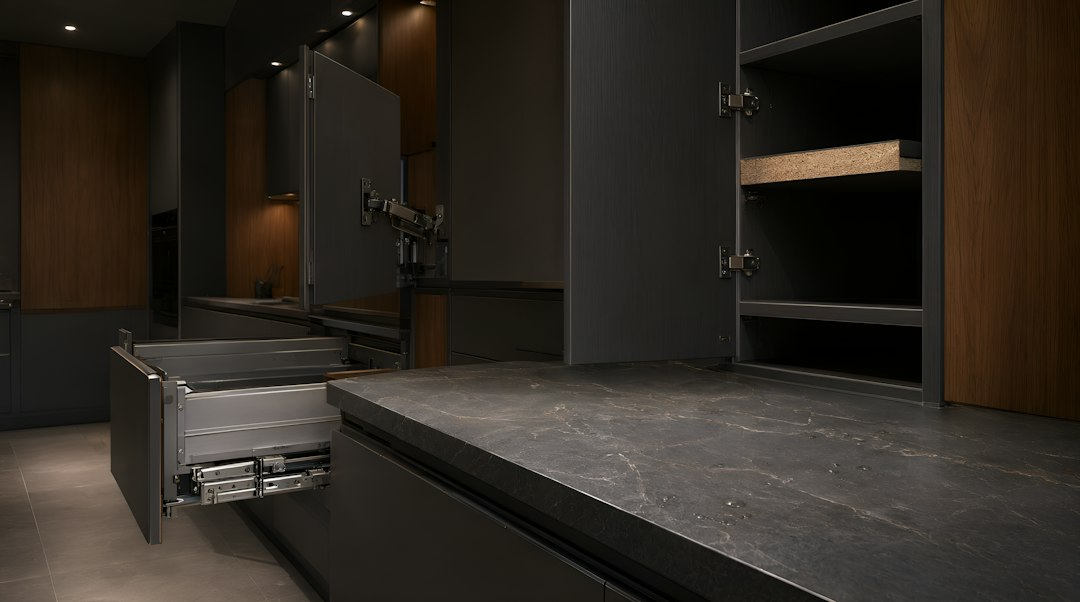
- Install the drawer-style pull-out so the front edge clears cabinet face and pipes; adjust the track to center the load. If you can’t mount tracks, use free-standing sliding baskets.
- Reserve shallow trays for small items: rubber bands, bottle brushes, sink stoppers. Keep them near the front for quick reach.
- Hang the sponge caddy on the faucet or inside the cabinet door to prevent wetness on the cabinet floor.
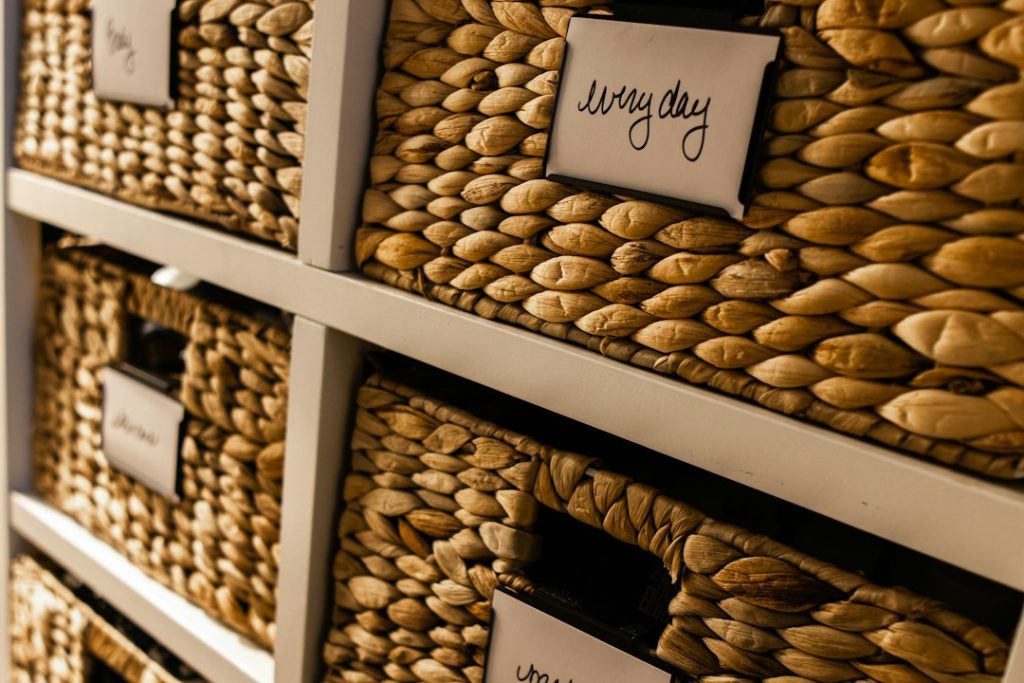
- Label bins or use clear containers so contents are identifiable at a glance.
6. Small adjustments that make a big difference
- Add a thin non-slip mat on the cabinet floor to protect wood and keep containers from sliding.
- Use Velcro strips or adhesive hooks on the cabinet door to hold gloves, a small trash bag, or a wipe dispenser.
- For limited clearance around pipes, rotate tall bottles horizontally in a shallow bin or replace them with shorter refill containers.
- If you have little vertical space, install a tension rod across the cabinet to hang spray bottles by their triggers; this frees floor space for bins.
7. Maintain the system in 10 minutes a month
Once a month, remove everything, wipe, check for drips, and re-evaluate what’s actually being used. Discard expired products and consolidate half-full bottles into a single labeled container. Small monthly edits prevent the pile-up that turns an organized cabinet back into clutter.
Troubleshooting: when space or pipes limit options
If the drain or disposal blocks most of the cabinet, prioritize front-facing shallow solutions: a slim pull-out, door-mounted caddy, or under-shelf hanging baskets. For very narrow cabinets, use a vertical organizer on the door or a magnetic strip inside the door to hold small metal tools. If moisture recurs, place a silicone mat and consider a small moisture-absorbing packet.
Product decisions that match real needs
If you want one change that yields daily improvement, pick a shallow pull-out basket that fits the cabinet width and mounts in front of the pipes. If your problem is wet sponges and soap creating slime, a hanging sponge caddy (or Product ID 455 if you want a combined holder) removes the mess from the cabinet entirely.
Where this fits in a full kitchen organization plan
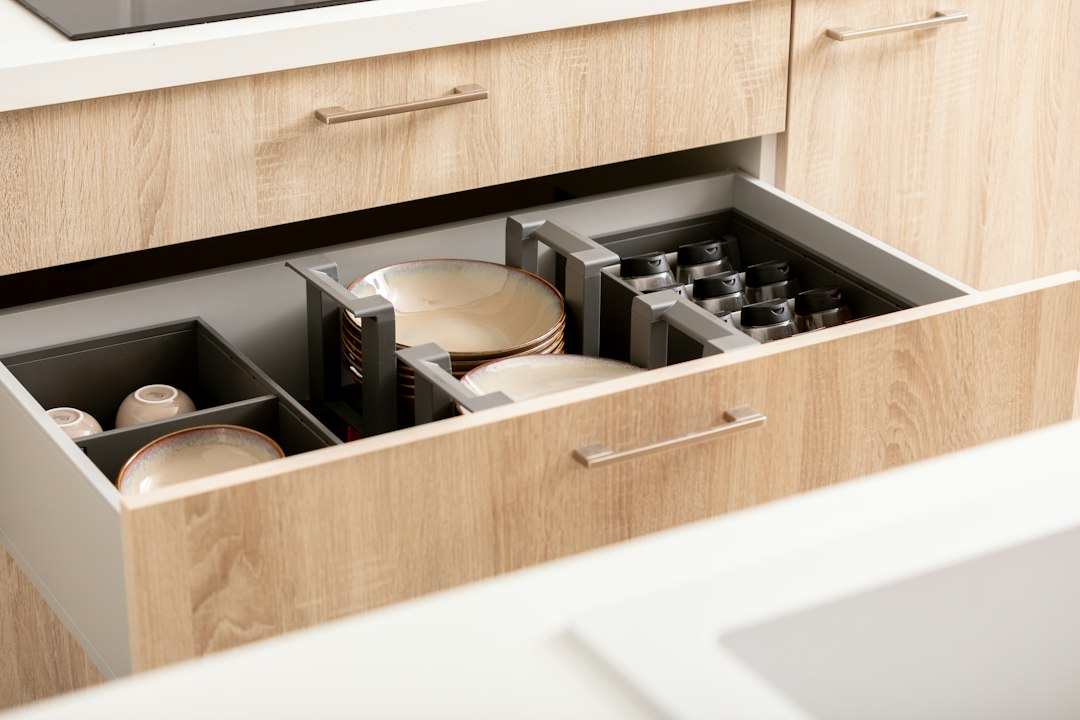
Under-sink organization pairs well with drawer organizers and pantry systems. If you’re also optimizing drawers, try our guide to smart drawer organization for matching principles: designate zones, make visibility the priority, and choose containers that match the item size.
- Empty cabinet, inspect for leaks and soft spots.
- Measure width, depth and pipe clearance.
- Create everyday, cleaning-supply, and leak-safe zones.
- Install one pull-out basket and a hanging sponge caddy.
- Use a lidded plastic tub for corrosive liquids.
- Monthly quick tidy to remove expired or unused items.
A tidy under-sink cabinet comes from three simple moves: remove clutter, fit one or two organizers to your cabinet’s measurements, and separate hazardous liquids into a lidded bin. Those steps give immediate access, better safety, and long-term order.
Can I store food under the sink?
It's best to avoid storing food under the sink because of moisture, possible leaks and chemical contamination; keep only cleaning supplies and related items there.
How do I stop smells under the sink?
Clean spills, remove mildew with a mild bleach solution if needed, keep a small baking soda box or moisture-absorbing packet, and store garbage-disposal related items separately.
What’s the safest way to store bleach and drain cleaner?
Put them upright in a lidded, sturdy plastic bin placed in a back corner away from daily-use items; clearly label the bin and keep it out of children’s reach.
Do pull-out baskets require drilling?
Some pull-outs need screws for reliable mounting; however, there are quality free-standing or adhesive-slide options for renters or fragile cabinet faces.
How do I manage limited vertical clearance around the pipe?
Use shallow trays, horizontal storage for tall bottles, under-shelf hanging baskets, or a tension rod to hang spray bottles to maximize shallow space.