

Imagine rummaging through a crowded drawer when a sauce needs stirring and everything you pull out either is flimsy, sticky with old food, or too big for your pan. You tell yourself you’ll “get a better spatula” next time, but the next time never comes. That pattern—buying tools that don’t match the way you cook or clean—creates clutter and waste. This guide helps you choose practical kitchen tools you’ll actually use by focusing on real needs, space, and maintenance before brand names or trends.
Start with what you actually cook and how often
The single best filter is your menu. Do you mostly reheat and assemble, or do you cook full meals from scratch several nights a week? If you cook eggs and stir-fries, you need a dependable spatula and a good frying pan scraper; if you bake, measuring cups, a scale and a whisk are priorities.
- List the five things you make every week. Those tasks determine the core tools.
- Note the common actions: stirring, flipping, measuring, mincing, grating. Buy tools that do those well, not gadgets for one-off tasks.
Decide the right tool per use case—versatility beats novelty
Prioritize multipurpose items that perform several common jobs rather than single-use novelties. Here are practical choices organized by what they let you do.
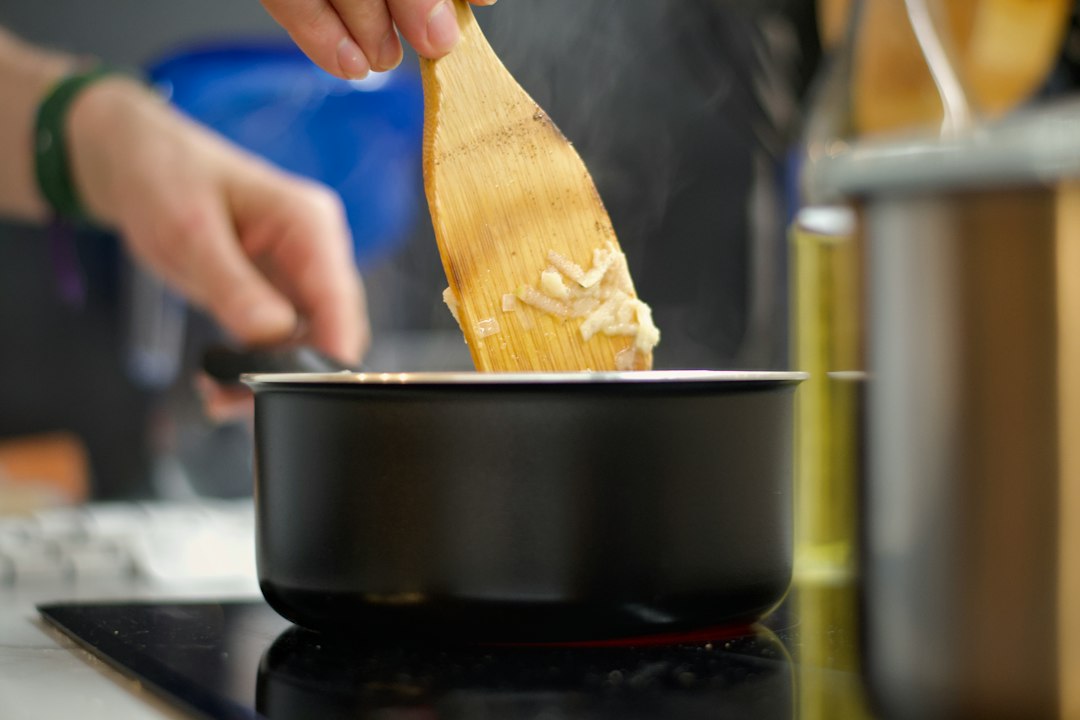
Stir, flip and serve: durable turner and spoon
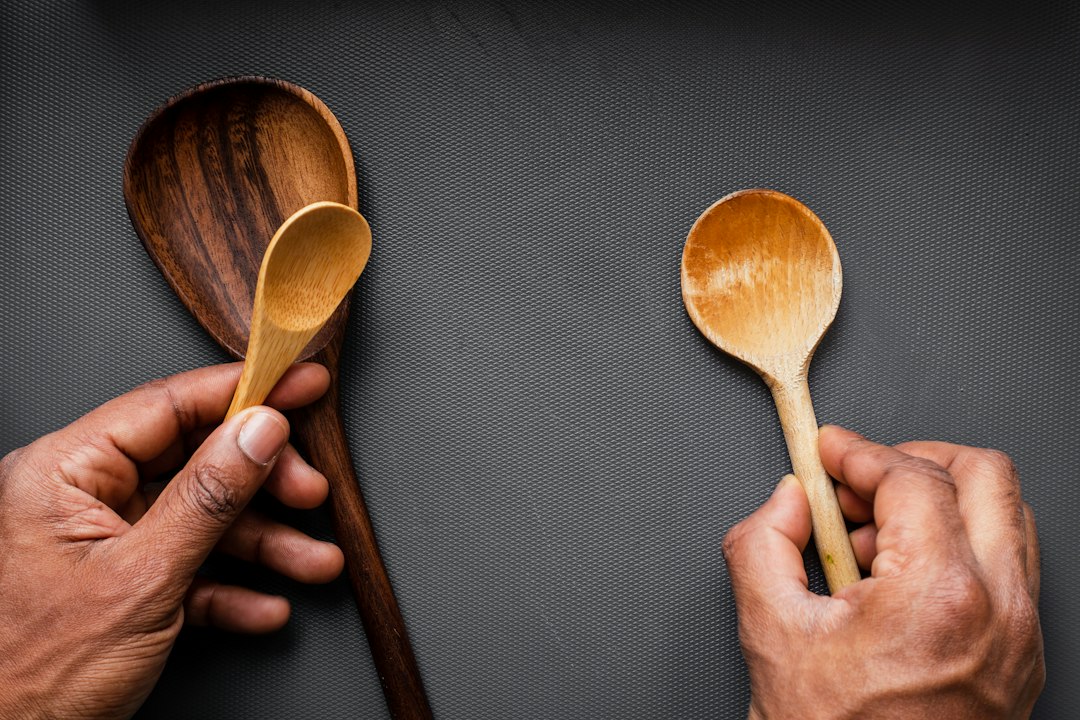
Choose one heat-safe silicone or nylon spatula for nonstick pans, and one wooden or stainless spoon for stirring and serving. The spatula should be thin enough to slide under food; the spoon should have a comfortable handle and be dishwasher-safe if you want low maintenance.
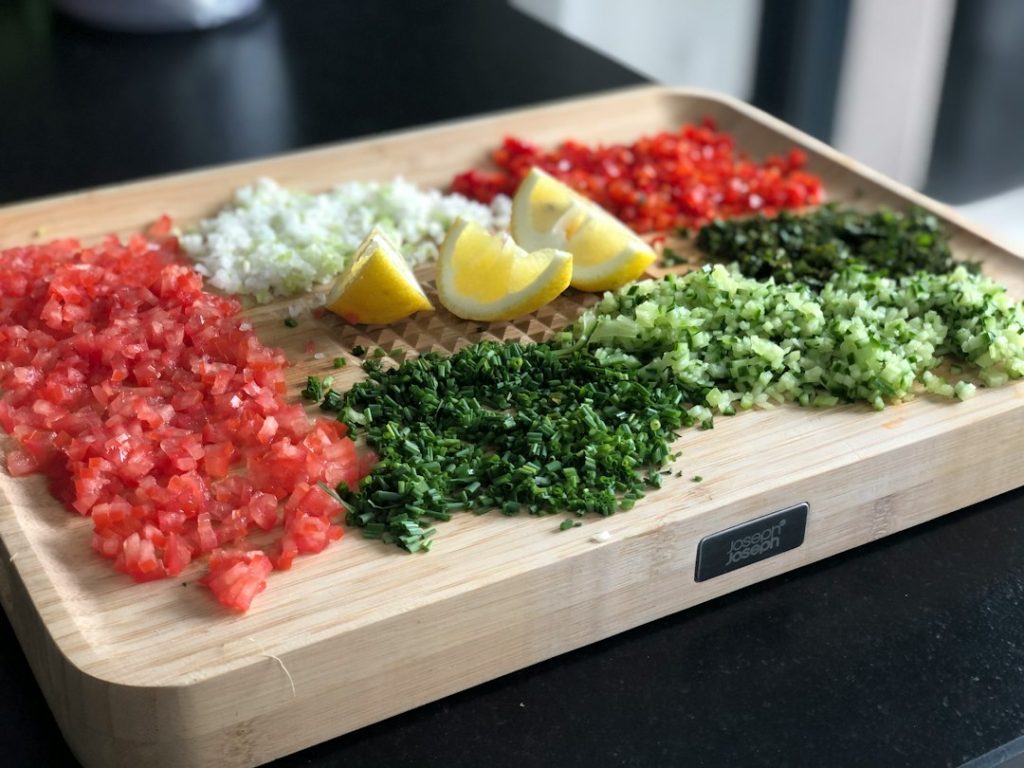
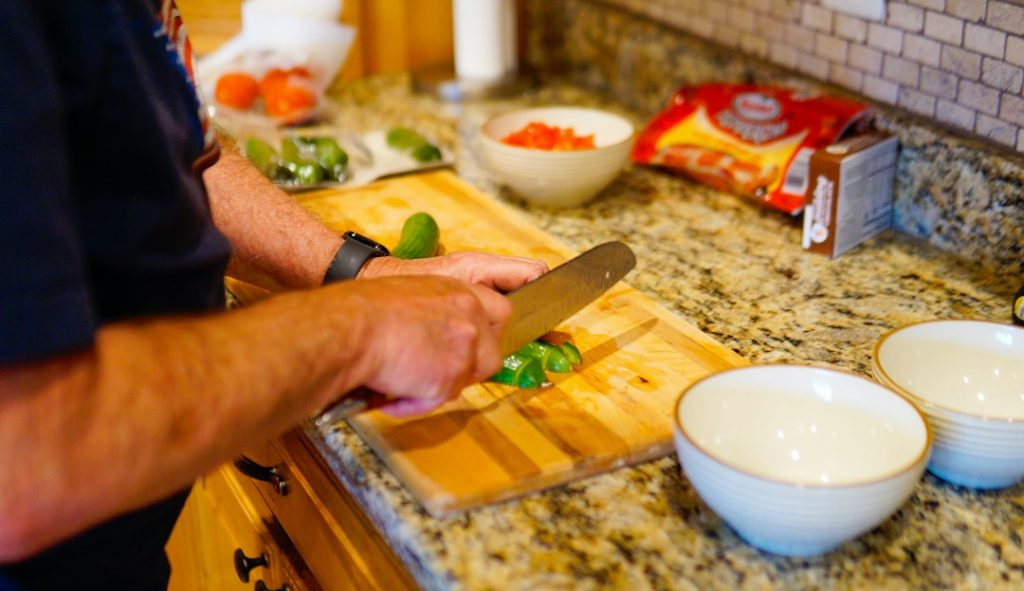
Chop and prep: one good chef’s knife plus a cutting board
A reliable 8–10" chef’s knife replaces multiple specialty blades. Pair it with a stable cutting board sized to your counter. If you already have a dull knife, buying another knife is less useful than sharpening—see product recommendation below.
Measure and mix: measuring spoons, a set of cups or a scale
Bake with accuracy using either nested measuring cups/spoons for liquids and dry measures or a digital kitchen scale that covers both. Scales save space and reduce dishes.
Strain and separate: one fine mesh sieve and one colander
A medium-size fine mesh sieve is useful for rinsing grains, sifting flour and catching small seeds; a collapsible or nesting colander handles pasta and larger rinses without taking much storage room.
Storage and cleanup: lids, containers and a good dish brush
Practical tools include stackable, lidded food containers (preferably all one size pattern you can stack), and a sturdy dish brush or silicone scrubber that resists stinking. If you rely on hand washing, prioritize tools that are easy to clean by hand.
What actually matters when comparing options
Before you look at brands, compare these practical attributes.
- Fit to cookware: a metal turner will ruin nonstick, while an overly thick spatula won’t slide under eggs.
- Durability vs. cost: stainless steel and solid wood last longer than thin plastic. For items you use daily, spend a bit more.
- Cleaning: dishwasher-safe matters if you won’t hand-wash. Avoid items with many crevices that trap food.
- Storage size: measure your drawers and shelves; collapsible or nesting options help small kitchens.
- Handle comfort and safety: grippy, heat-resistant handles reduce accidents and make tools pleasant to use.
When a specialty product is worth it: sharpening and knives
If you cook often, the single most impactful tool is a sharp knife—or a way to keep knives sharp. Dull blades make prep slower and more dangerous. Rather than buying multiple knives, consider restoring what you have.
For readers who want a reliable, space-saving sharpening solution, a compact whetstone sharpener is the practical choice: it fits a small counter, works on most blades, and extends the life of your knives. Use it on a regular schedule (every few months depending on use) rather than waiting until knives feel unusable.
How to avoid common buying mistakes
- Don’t buy a set because of a discount—sets often include rarely used pieces. Pick the few items you’ll use and add later if needed.
- Avoid trendy gadgets unless you have the exact need and storage for them. A one-trick tool becomes junk quickly.
- Check return and warranty policies for higher-priced items, especially knives and electric appliances.
- Test ergonomics where possible: hold handles, check weight, and visualize cleaning before buying online.
Small kitchen? Make every inch count
In limited space, favor collapsible, nesting and wall-mounted solutions. Replace bulky single-use tools with multiuse versions: for example, a silicone spatula can scrape, fold and flip; a mesh strainer can also double as a sifter.
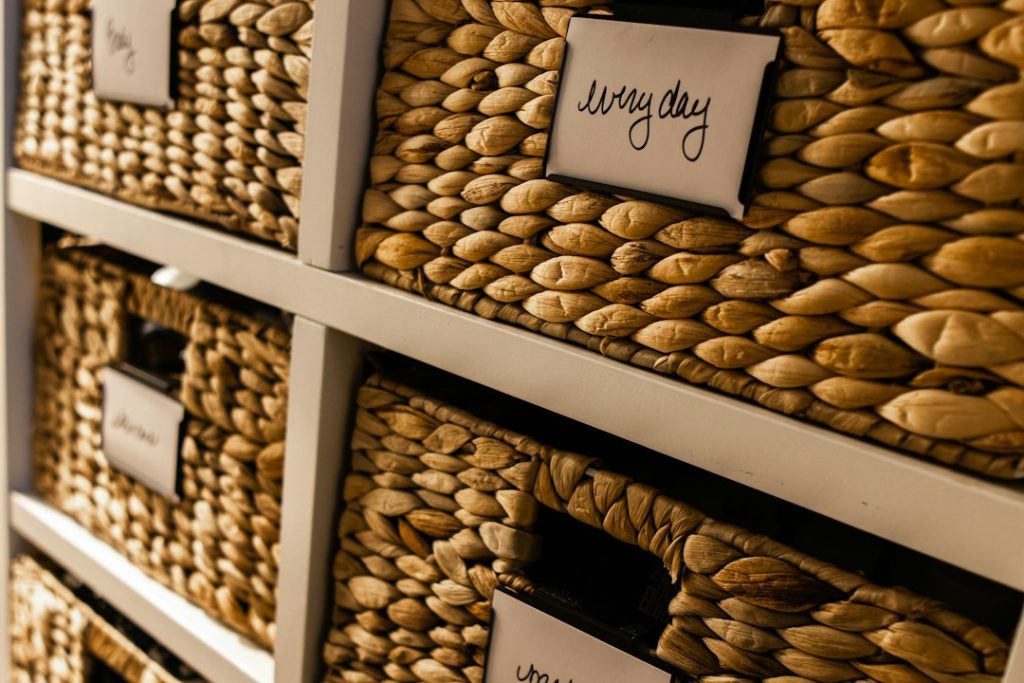
Use drawer organizers to keep frequently used tools visible and reachable—out of sight means out of use.

Where to invest a little more and where to save
- Invest: chef’s knife, cutting board (stable and non-porous), and a sharpening tool—these affect safety and speed daily.
- Save: single-use gadgets, inexpensive baking molds you’ll use once, and redundant utensils if you have a reliable multipurpose option.
- Mid-range picks: spatulas, strainers and measuring equipment—choose well-made but not necessarily premium.
Quick decision flow to choose a new tool
- Identify the repeated task you need to solve (stir, flip, measure, chop).
- Ask: will one versatile tool do the job? If yes, buy that; if no, shortlist two specialized options.
- Check size vs. storage, cleaning method, and material compatibility with existing cookware.
- Read a couple of reviews or test in-store for feel. Buy the item and set a 3-month use check: if it’s unused, consider returning or donating.
- List your five most-cooked meals and the recurring tasks they require.
- Measure the drawer or shelf space where the tool will live.
- Confirm dishwasher compatibility if you won’t hand wash.
- Prioritize one multipurpose tool over multiple single-use gadgets.
- Plan to sharpen or maintain knives instead of replacing them frequently.
Choose kitchen tools by matching them to the actions you actually repeat, prioritize versatility and easy cleaning, and invest where durability and safety matter most—chief knife care, a stable cutting board, and reliable cooking utensils. A small, well-chosen set will get used far more than a crowded drawer of half-forgotten gadgets.
How many basic kitchen tools do I really need?
For most home cooks, a short list covers it: one good chef’s knife, a spatula, a wooden or sturdy spoon, measuring spoons/cups or a scale, a fine sieve/colander, and a set of stackable storage containers.
Is a knife sharpener worth buying?
Yes—if you cook regularly. Keeping a single chef’s knife sharp is more useful and cost-effective than buying multiple replacement knives.
Should I buy sets or separate pieces?
Buy separate pieces that match how you cook. Sets often include rarely used items and take up unnecessary space.
What material is best for spatulas and spoons?
Use silicone or nylon for nonstick pans and wood or stainless for heavier stirring; choose based on heat tolerance and cleaning preference.
How do I stop impulse kitchen tool purchases?
Delay buys by two weeks and check if the missing tool actually affects any meal in that time; if it does, you have a justified purchase.