

Many people assume efficiency means buying the latest gadgets. In reality, an efficient kitchen setup for everyday cooking is mostly about placement, repetition, and removing small frictions—so that the actions you take 90% of the time feel natural and quick.
What you’ll achieve: a kitchen that supports your daily flow
When this is done well you can move from fridge to stove to plate with minimal steps, find tools without hunting, and clean up quickly. The goal: a predictable workflow (less thinking), clear counters (more prep space), and a small set of reliable tools within arm’s reach.
Plan your layout around real tasks, not aesthetics
Start by mapping the three core actions you do in everyday cooking: retrieve ingredients, prepare, and cook/finish. These correspond to rough zones: storage (fridge/pantry), prep (counter, cutting board), and cooking (stovetop/oven). Position the prep area between storage and stove when possible—this single change cuts a lot of back-and-forth.
Quick test
Perform a mock recipe: take one common meal and count how many times you walk between zones. If you cross paths more than twice for basic dishes, rearrange: move the most-used cutting board and knives to the prep zone, or keep commonly used spices and oil nearer the stove.
Create clear, purpose-driven zones
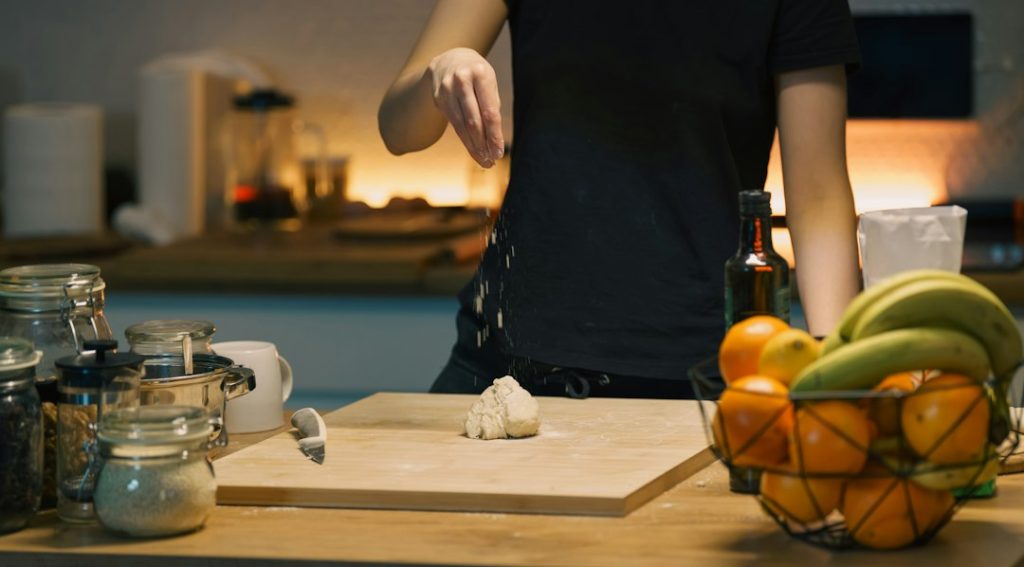
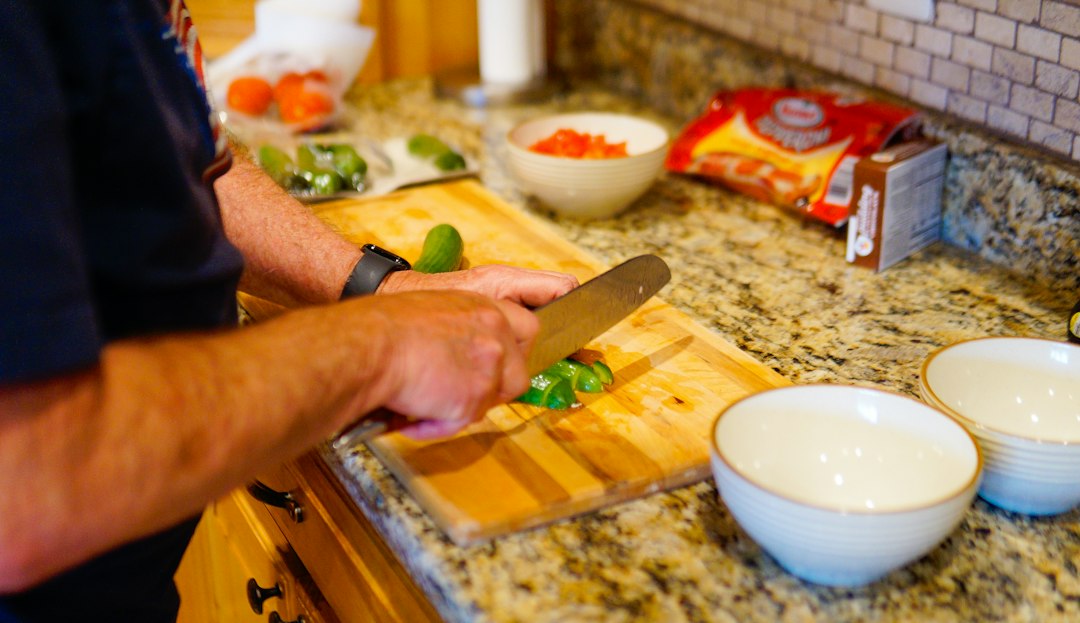
- Everyday prep station: A dedicated counter space with a cutting board, chef’s knife, mixing bowls, and a small container for compost. Keep this spot clear of appliances most days so it’s always ready.
- Cooking zone: Stovetop and adjacent counter for pans, spatula, tongs, oil, and salt/pepper. A small shelf or magnetic strip for spices simplifies seasoning while cooking.
- Cleaning zone: Sink with drying rack and dish soap. Keep scrubbers and trash/compost within reach to tidy while food cooks.
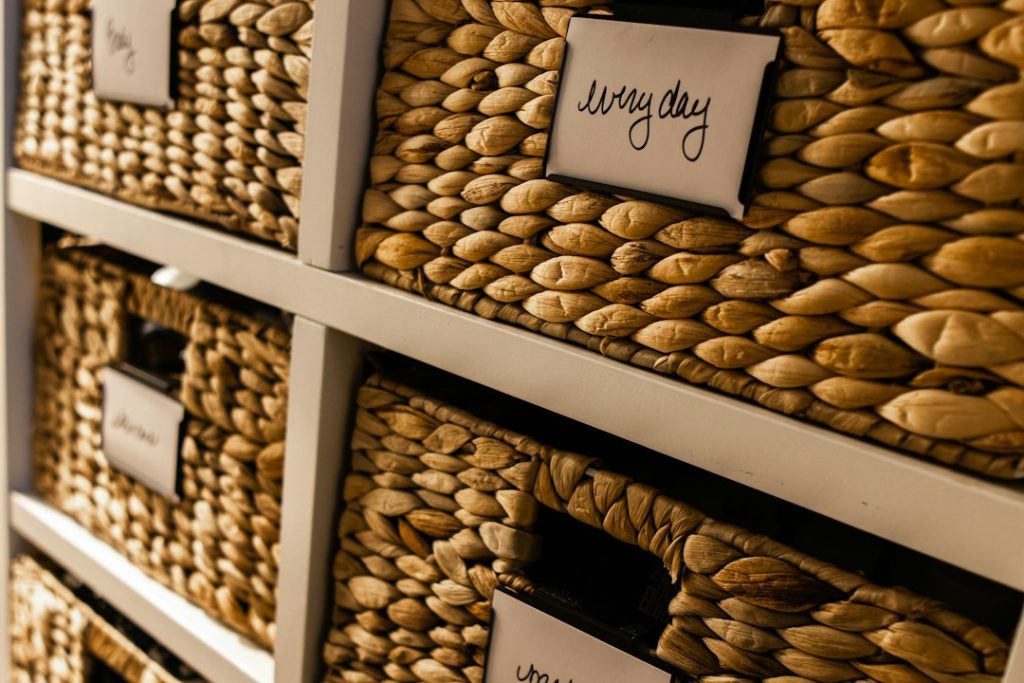
- Storage/pantry: Group by use—breakfast items together, baking together, and a daily-cooking shelf for rice, pasta, canned tomatoes, and frequently used oils.
Keep frequently used tools within arm’s reach
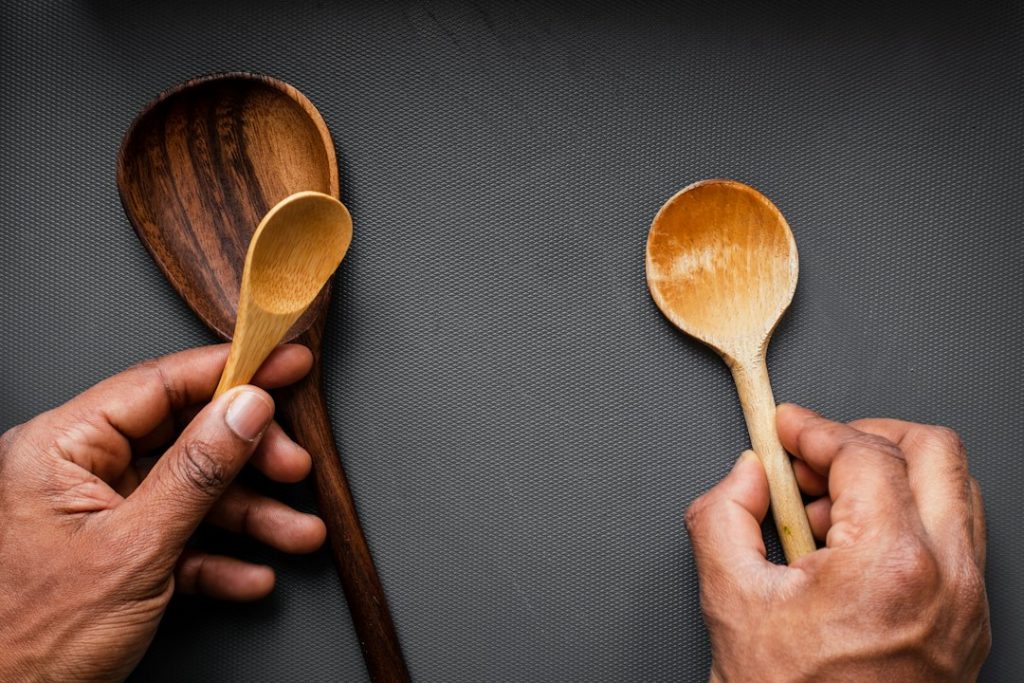
Make an explicit “frequent tools” list—knife, wooden spoon, spatula, measuring cups, tongs, vegetable peeler—and store them in the prep or cooking zone depending on use. Drawers with simple dividers or a utensil crock beside the stove work well. If you open a drawer for a single item multiple times a week, move that item to the countertop or a more accessible drawer.
Minimize countertop clutter without removing essentials
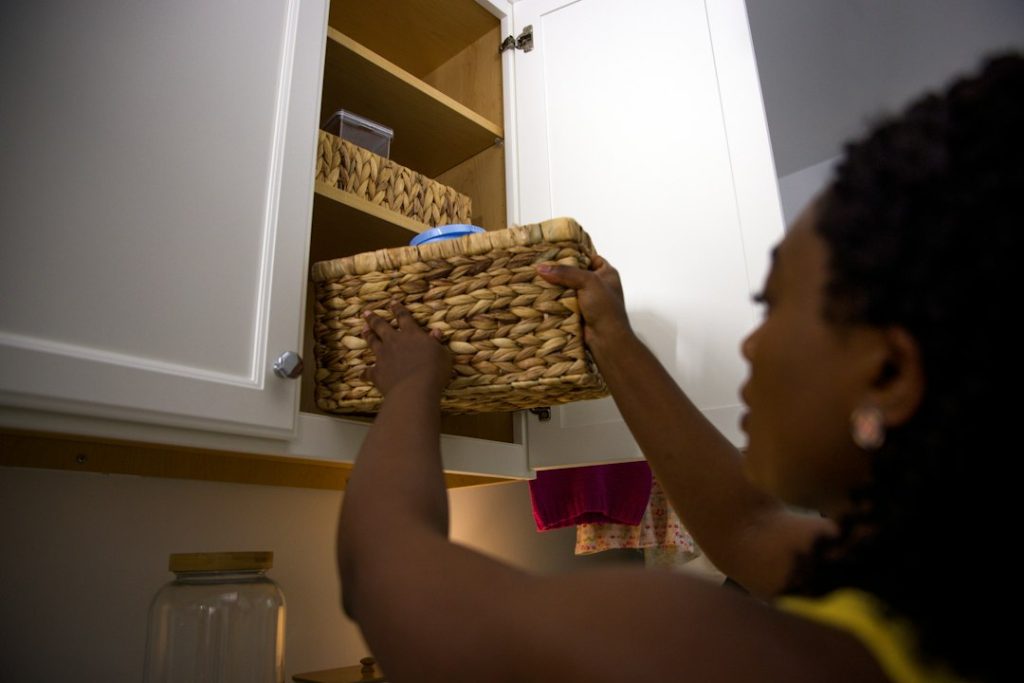
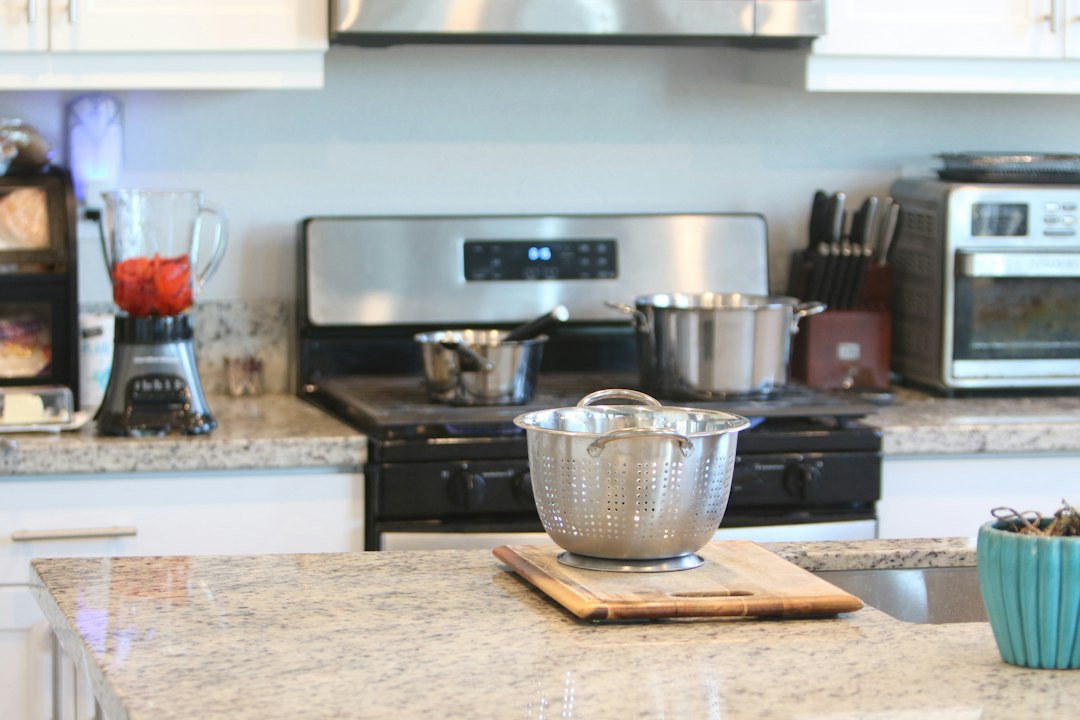
Limit appliances on counters to the two you use most (e.g., coffee maker, stand mixer). Everything else should live in cabinets or a nearby appliance garage. Use wall or inside-cabinet storage—hooks for potholders, magnetic knife strips, and small rails for utensils—to free surface area.
Smart storage choices that save time
- Transparent containers: Use clear canisters for staples like flour, sugar, and rice so you see levels at a glance and keep labels consistent.
- Drawer organizers: A deep drawer for pots and lids with dividers avoids stacked chaos. Keep lids vertically if space allows.
- Open shelf for daily items: A low open shelf near the prep zone for bowls and plates you reach for every day removes cabinet doors from the routine.
Choose one small product that speeds cooking (product recommendation)
If you often oil pans or dress salads, a reusable oil sprayer dramatically reduces mess and dosing over pouring from a bottle. It’s an inexpensive, eco-friendly tool that stays by the stove or prep station and cuts step time because you don’t reach for multiple bottles.
[h3]Setup note[/h3]Keep the oil sprayer filled and labeled; store in the cooking zone so it becomes part of your seasoning motion rather than an occasional search.
Routines and habits that keep the setup efficient
- End-of-day reset: Spend five minutes wiping counters, returning items to their zones, and emptying small trash—this ensures the prep area is ready in the morning.
- Weekly check: Refill staples and discard expired items from the ‘daily-cooking’ shelf. A short weekly sweep prevents future searching.
- Batch small tasks: Wash and store knives and frequently used utensils right after cooking; don’t let them accumulate in the sink.
Troubleshooting and adaptations
If your kitchen is small: prioritize a single clear prep surface and use vertical storage—magnetic strips, wall-mounted rails, and a fold-down cutting board. In rental kitchens: use removable hooks and freestanding shelves rather than drilled solutions.
If multiple people cook: create dual zones—one main prep space and a secondary small station with a cutting board and a few tools so two cooks don’t collide.
Where to start this weekend
Pick one meal you cook most often and run through it: move the items you reach for into a temporary “ready” pile near the stove, then find a permanent home for the handful you used most. That focused change will often create the largest time savings.
- Identify your three daily actions and map storage-to-prep-to-cook flow.
- Clear one consistent prep surface and keep a chef’s knife in a set spot.
- Group pantry items by use and place daily staples on an accessible shelf.
- Store 6–8 frequently used tools near where you reach for them most.
- Limit countertop appliances to two and use wall mounts to free space.
- Adopt a five-minute end-of-day reset to keep the setup ready.
An efficient kitchen setup minimizes unnecessary steps by aligning zones and keeping the handful of tools and ingredients you use daily within arm’s reach. Start by rearranging for one common meal and commit to a simple nightly reset—small changes compound into a kitchen that supports everyday cooking.
How much counter space do I need for an efficient setup?
A single uninterrupted 24–36 inch counter dedicated to prep is enough for most cooks; more space helps but consistency and placement matter more than size.
Should I keep knives in a drawer or on a magnetic strip?
Magnetic strips save drawer space and keep knives visible and accessible; use a drawer with dividers if you prefer blade protection or have children at hand.
How do I decide which appliances to keep on the counter?
Keep only appliances you use multiple times a week. Others are better stored and brought out when needed to preserve prep surface.
What’s the best way to store frequently used spices?
Keep a small spice rack or magnetic tin set by the stove with the 10–12 spices you reach for most; store the rest in the pantry grouped by cuisine or use.
Can these ideas work in a very small kitchen?
Yes—prioritize a single clear prep zone, use vertical storage, and keep multipurpose tools accessible; even tiny changes to placement dramatically reduce steps.