

That evening feeling you want: simple fixes that actually help
You come home tired, flick on the overhead light and something feels...off: the room is harsh, the couch is bare, the air is a bit stale. Comfort isn’t one big upgrade—it’s a collection of small, thoughtful changes. Below are ten practical ways to make your home more comfortable right away, mixing quick wins you can do tonight with a few slightly deeper improvements that repay effort for months.
1. Swap one bright bulb for a warmer, dimmable lamp
Harsh overhead lighting kills coziness. Replace a kitchen or living-room ceiling lamp with a warm (2700–3000K) LED bulb and add a table or floor lamp on a dimmer. Even one warm light source in the evening lowers eye strain and instantly softens the room.
2. Layer textiles where you actually sit
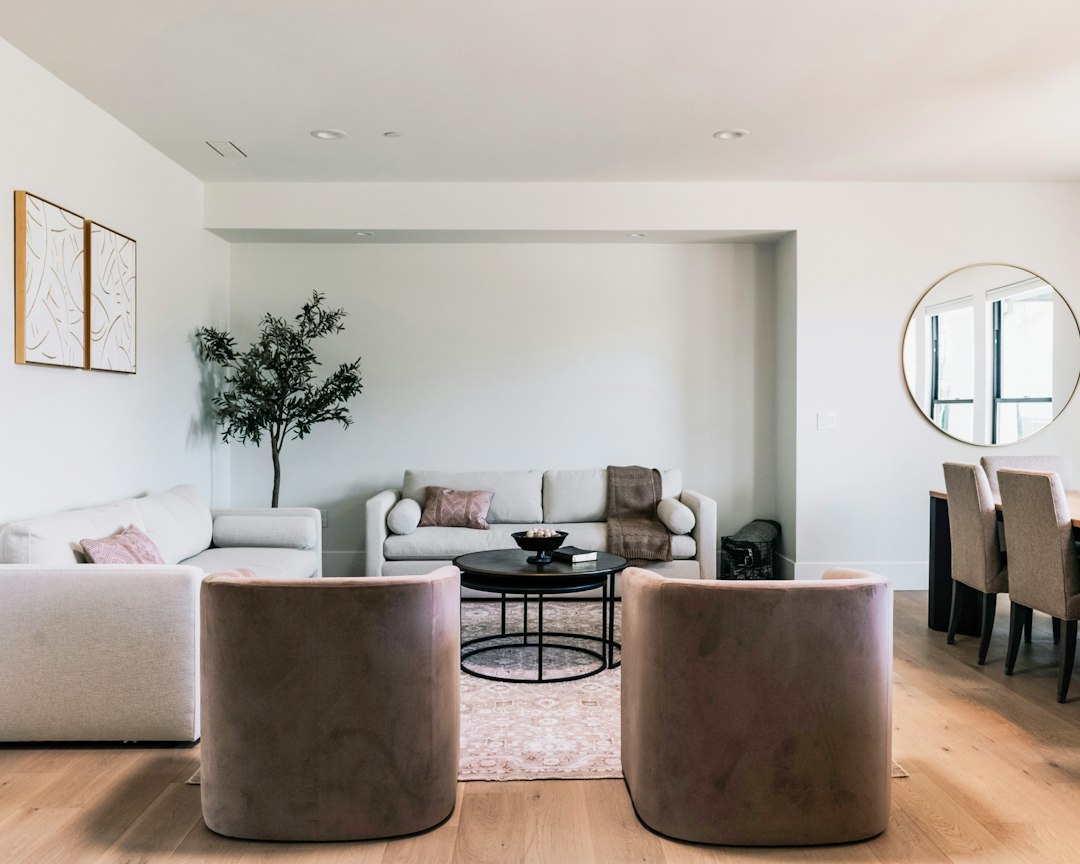
Throws, a soft rug underfoot and a lumbar pillow change how a space feels more than a complete decor overhaul. Focus on the sofa, favorite chair and bedside: a washable throw, a cushion with supportive loft, and a low-pile rug near the bed deliver comfort and are easy to clean.
3. Make temperature simple: small controls, big impact
Confusing thermostats or one setting for the whole house makes comfort inconsistent. Use zone-friendly tactics: close vents in seldom-used rooms, add a programmable thermostat or a room temperature sensor so you’re only heating or cooling occupied spaces.

If you want an affordable, single-device way to monitor and adjust comfort, a smart temperature and humidity sensor helps you spot cold spots or dry air before they become annoyances.
4. Reduce noise with targeted solutions
Noise makes a home feel unsettled. For street noise, prioritize thick curtains and a rug; for echoing rooms, add bookshelves or fabric wall hangings. A white-noise machine or a small humidifier in the bedroom can also restore sleep-friendly silence.
5. Keep surfaces clutter-free where you want calm
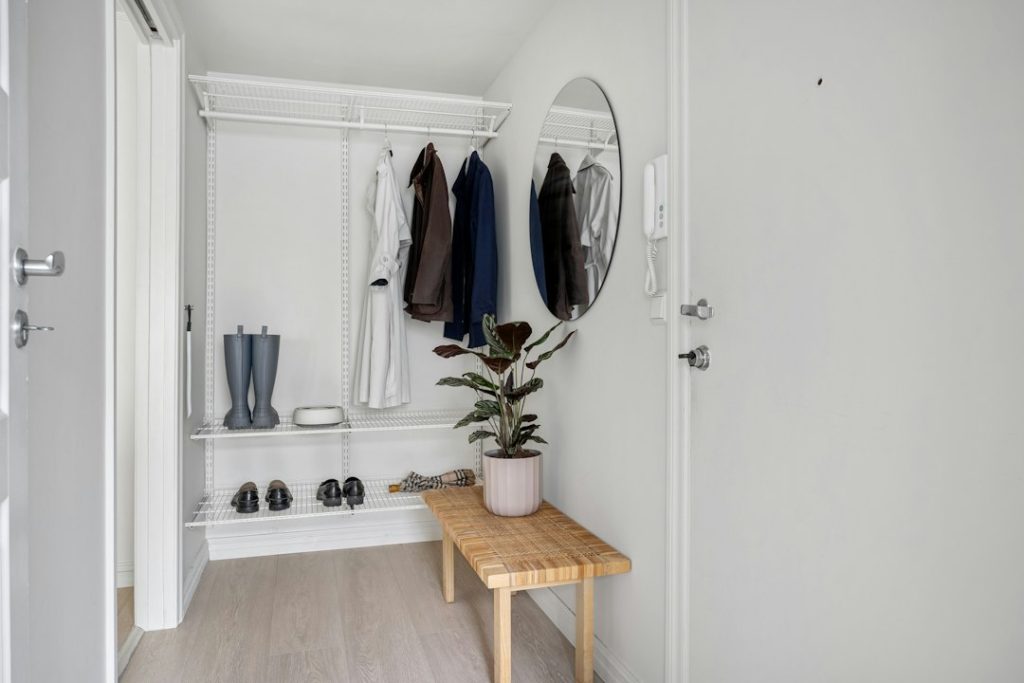
Clutter increases visual stress. Choose two “calm zones”—for example, the entry and the coffee table—and give them simple storage: a tray for keys, a basket for shoes, a small console with drawers. The rest of the house can be tidier without a full organizing overhaul.
6. Improve air quality quickly
Stale air or cooking smells drag on comfort. Open windows for 5–10 minutes daily, run exhaust fans while cooking, and consider a small HEPA air purifier in the living room or bedroom if you live in a polluted or pet-friendly home.
7. Let natural light do the heavy lifting—but control glare
Natural light lifts mood, but direct sun can cause glare and heat. Use lightweight sheers to diffuse daylight and install a blackout or heavier curtain on a track for sleeping areas. Adjust furniture placement so seating benefits from softer daylight, not squinting faces.
8. Create a dedicated relaxation corner
Even a small nook makes downtime intentional. Add a comfortable chair, a side table for a cup, a reading lamp and a small basket for a blanket and books. Keep the nook near a window if possible; the focused design cue trains your brain to wind down in that spot.
9. Pick easy-care plants for a quick freshness boost
Plants add oxygen, soften acoustics and make rooms feel alive. Choose low-maintenance options—pothos, snake plant, or ZZ plant—and put them where they’ll thrive (bright, low-light, etc.). A single well-placed pot on a shelf or console improves perceived comfort immediately.
10. Use small smart devices to remove daily friction
Comfort often comes from fewer tiny annoyances: lights that won’t turn off, a door that clicks, or a drafty window. One inexpensive smart sensor or controller can prevent these interruptions. A door/window sensor alerts you to drafts or open entries; a Wi‑Fi remote replaces juggling multiple remotes; a robot vacuum keeps floors tidy with minimal effort.
For a simple starter device that detects temperature swings and humidity—useful in bedrooms and nurseries—the indoor temperature/humidity sensor we recommended above is a compact option. If you want security and door-status alerts, magnetic door/window sensors are another smart add.
Quick product suggestion when you want effortless monitoring
If you prefer to know exactly when a room is too cold or dry, the store’s indoor temperature and humidity sensor is a compact, plug-and-play way to track conditions and pair with smart thermostats or alerts.
Before you decide: small trade-offs to consider
Budget vs. impact—lighting and textiles are low-cost, immediate wins. Smart devices and air purifiers cost more but remove recurring annoyances. Comfort also depends on lifestyle: if you work nights, blackout curtains trump morning light; if you have pets, choose durable, washable textiles.

- Swap one overhead bulb for a warm, dimmable lamp.
- Add a washable throw and one supportive pillow to main seating.
- Place a temperature or humidity sensor in the room you use most.
- Designate two clutter-free zones and add simple storage.
- Introduce one low-maintenance plant.
Make your home more comfortable by focusing on lighting, textiles, air and simple tech that reduces daily friction. Pick one quick change tonight and one slightly bigger upgrade this month to build lasting comfort.
How much does lighting affect comfort?
Lighting is one of the fastest ways to change a room’s feel—switching to warm, dimmable light can make a space feel cozier in minutes without any major expense.
Is a smart sensor worth buying for comfort?
Yes, a temperature/humidity sensor provides actionable data on cold spots or dry air and pairs with thermostats or humidifiers to maintain comfort more efficiently.
What’s the best first textile to add?
A washable throw for the sofa or bed is the highest-impact, lowest-risk textile—soft, affordable and easy to change seasonally.
Can plants really improve comfort?
While their air-purifying effect is modest, plants improve perceived comfort and ambiance; pick resilient varieties for the best results with low maintenance.